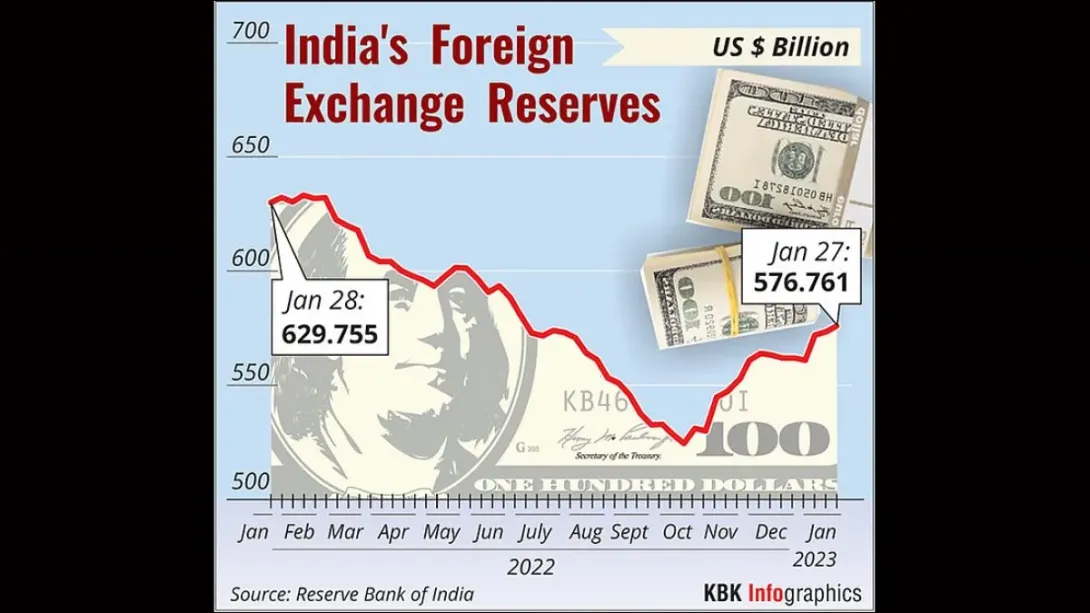
The Reserve Bank of India has introduced significant changes to foreign exchange regulations governing banks, aiming to modernize forex operations, improve compliance, and strengthen risk management frameworks. The revised rules are designed to simplify procedures, provide greater operational flexibility to banks, and align India’s forex regime with evolving global standards. By refining reporting norms, exposure limits, and transaction guidelines, the central bank seeks to reduce systemic risks while supporting smoother cross-border trade and capital flows. The move reflects the RBI’s broader strategy to balance regulatory oversight with efficiency as India’s integration with global financial markets deepens.
Key Changes in the Forex Framework
Under the updated guidelines, banks have been granted clearer operational boundaries for handling foreign exchange transactions. The RBI has streamlined certain approval processes and updated compliance requirements to reflect current market realities. These changes are expected to reduce procedural delays while ensuring that banks maintain robust internal controls over forex dealings.
Focus on Risk Management and Transparency
A central element of the revised rules is stronger emphasis on risk assessment and disclosure. Banks are now required to adopt more granular monitoring of foreign currency exposures and improve internal reporting mechanisms. This is intended to limit excessive risk-taking and enhance transparency across treasury operations, particularly during periods of global currency volatility.
Impact on Trade and Cross-Border Transactions
The regulatory overhaul is likely to benefit exporters, importers, and corporates engaged in overseas transactions. Simplified processes and clearer norms can help reduce transaction costs and settlement delays, supporting smoother trade flows. For banks, improved clarity lowers compliance uncertainty and allows better structuring of forex products for clients.
Alignment With Global Practices
The RBI’s move brings India’s forex regulations closer to international best practices, especially in areas such as exposure management and supervisory oversight. As global capital flows become more complex, this alignment is expected to strengthen confidence among international investors and counterparties dealing with Indian banks.
Outlook for the Banking Sector
The revised forex rules mark a calibrated step toward a more resilient and efficient banking system. While banks may need to upgrade internal systems and processes to meet the new standards, the long-term benefits include stronger governance, reduced operational risk, and improved competitiveness in global financial markets.
Comments