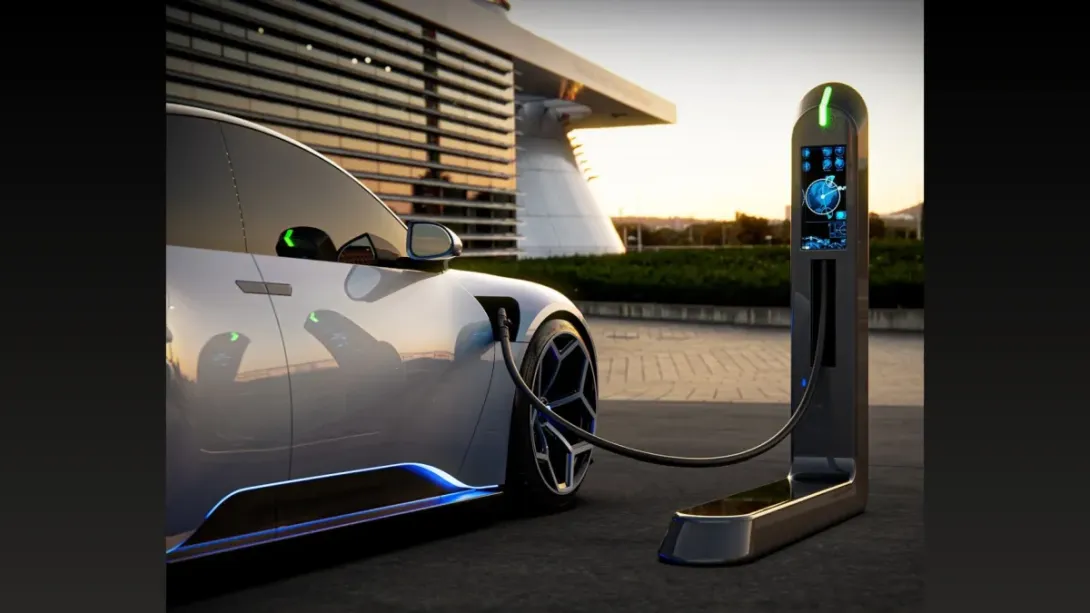
Sales of luxury electric vehicles (EVs) have shown a noticeable slowdown after recent changes to the Goods and Services Tax (GST) framework, signaling a pause in what had been a steadily accelerating segment of India’s auto market. Higher effective acquisition costs have tempered buyer enthusiasm, particularly among price-sensitive high-end consumers who had been weighing EVs against premium internal combustion models. While long-term fundamentals for electric mobility remain intact, the short-term impact of tax adjustments has altered purchase decisions and dealer sentiment. Industry players are now reassessing pricing strategies, promotional offers, and product positioning to revive momentum in the luxury EV space.
Impact of GST Revision on Pricing
The GST change has effectively raised the on-road cost of luxury electric vehicles, narrowing the price advantage EVs once enjoyed over comparable petrol and diesel models. For high-value cars, even marginal tax adjustments translate into a significant increase in the final purchase price, prompting many prospective buyers to delay or reconsider their decisions.
Sales Trends and Market Response
Dealers and distributors have reported softer showroom inquiries and slower booking conversions in the weeks following the tax revision. The impact has been more pronounced in fully imported and premium-end models, where pricing elasticity tends to be higher. In contrast, mass-market EVs have remained relatively insulated from the slowdown.
Consumer Sentiment and Buying Behavior
Luxury EV buyers typically weigh technology, sustainability, and long-term operating costs against upfront pricing. The GST-driven increase has disrupted this equation, leading some customers to adopt a wait-and-watch approach, anticipating potential incentives, discounts, or policy recalibration.
Industry Strategy and Outlook
Automakers are responding by exploring targeted financing schemes, limited-period benefits, and localized assembly to manage costs. Over the medium term, industry executives remain confident that improving charging infrastructure, expanding model portfolios, and rising environmental awareness will restore growth.
Long-Term Perspective
Despite the temporary dip, luxury EVs are still viewed as a structural growth segment. Policy stability and clear taxation signals will be critical in sustaining investor confidence and encouraging consumers to commit to high-end electric mobility in the months ahead.
Comments