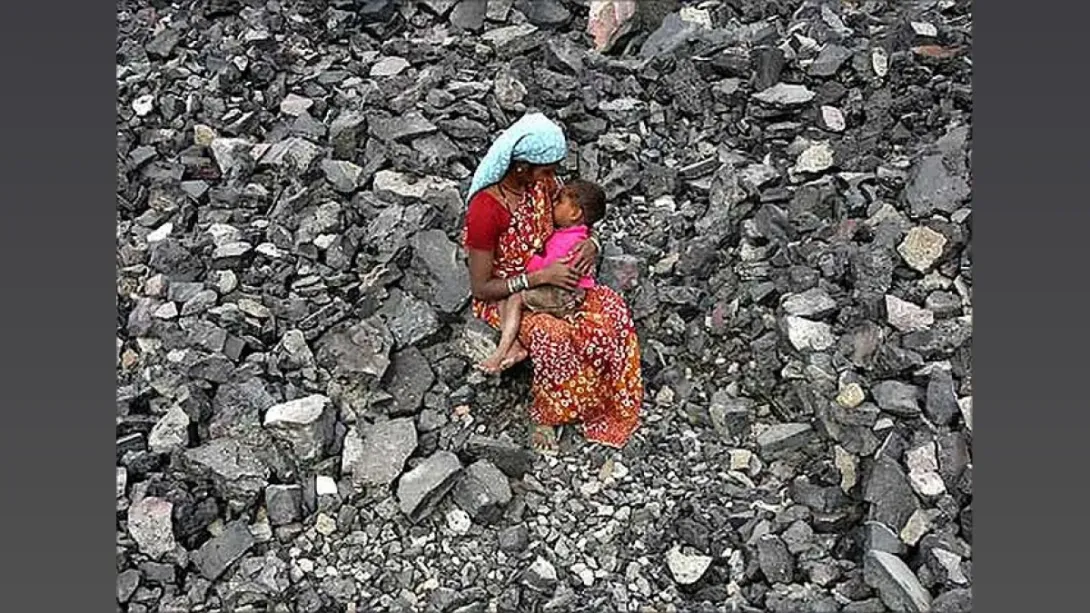
India is accelerating reforms in its coal sector by prioritizing gasification as a pathway to strengthen long-term energy security and reduce dependence on imported fuels. Policymakers view coal gasification as a bridge technology that can convert domestic coal reserves into cleaner gaseous fuels, fertilizers, and chemicals. The shift is aimed at balancing economic growth with environmental considerations while ensuring reliable energy supplies for industry and power generation. With targeted incentives, policy support, and rising private participation, the coal sector’s transformation signals a strategic recalibration of how India plans to utilize its abundant fossil resources in a changing global energy landscape.
Rethinking Coal’s Role in the Energy Mix
Coal has historically anchored India’s energy system, fueling power generation and industrial growth. However, rising environmental concerns and global decarbonization pressures have forced a reassessment of its long-term role. Rather than an abrupt exit, the current policy approach focuses on cleaner utilization through advanced technologies.
Gasification converts coal into synthesis gas, which can be used for power, fuels, and chemicals with lower emissions compared to conventional combustion. This repositioning allows coal to remain relevant while aligning with evolving sustainability goals.
Gasification as a Strategic Lever
Coal gasification is emerging as a cornerstone of the sector’s overhaul. By transforming solid coal into gaseous products, the process enables greater efficiency and flexibility across industries such as steel, fertilizers, petrochemicals, and city gas distribution.
From a strategic standpoint, gasification reduces exposure to volatile global energy markets. Producing synthetic natural gas and other value-added products domestically can help offset imports worth several thousand crore rupees annually, strengthening the country’s trade balance and energy resilience.
Policy Support and Investment Momentum
The government has introduced financial incentives and viability gap funding to encourage large-scale gasification projects. Public sector enterprises are leading initial investments, while private players are gradually entering the space as policy clarity improves.
Capital costs remain high, often running into several thousand crore rupees per project, but long-term benefits—such as assured feedstock supply and diversified revenue streams—are attracting interest from integrated energy and industrial companies.
Implications for Energy Security and Industry
A successful gasification push could significantly enhance energy security by ensuring stable supplies of fuels and industrial inputs derived from domestic resources. Industries that rely heavily on imported natural gas or crude-linked products stand to benefit from predictable pricing and reduced foreign exchange exposure.
Additionally, the development of downstream value chains can generate employment, promote regional industrialization, and strengthen ancillary manufacturing ecosystems.
Environmental and Economic Trade-Offs
While gasification is cleaner than direct coal burning, it is not emissions-free. Managing carbon output, water usage, and waste streams will be critical to ensuring that economic gains do not come at an unsustainable environmental cost.
Experts argue that coupling gasification with carbon capture, utilization, and storage could further improve its viability, positioning it as a transitional solution in India’s broader energy transition.
Conclusion
The renewed focus on coal gasification reflects a pragmatic approach to energy transition—one that prioritizes security, affordability, and domestic resource utilization. As India navigates the complex balance between growth and sustainability, the coal sector’s overhaul could play a pivotal role in shaping a more resilient and self-reliant energy future. Success, however, will depend on consistent policy support, technological execution, and careful management of environmental trade-offs.
Comments