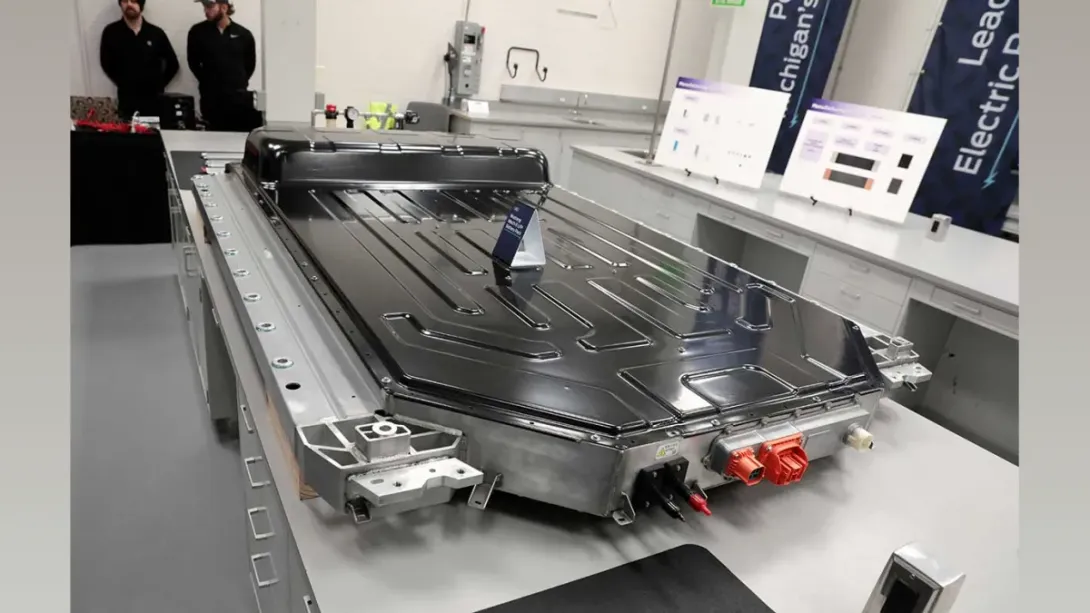
India’s electric mobility transition is gaining unprecedented momentum, driven by policy support, rising fuel prices, and rapid technological innovation. As adoption of electric two-wheelers, three-wheelers, passenger vehicles, and commercial fleets expands, the nation’s demand for advanced energy storage is expected to surge dramatically. Projections indicate that India’s battery requirement will reach 256.3 GWh by 2032, marking a transformative phase for the domestic manufacturing ecosystem. This trajectory underscores the urgent need for robust supply chains, indigenous cell production, and strategic investments to reduce dependency on imports and support long-term electrification goals across transportation and stationary storage markets.
---
India’s EV Battery Demand on Track for Massive Expansion
India’s electric vehicle market is entering a phase of accelerated growth, creating extraordinary opportunities for the domestic battery industry. The projected demand of 256.3 GWh by 2032 reflects a combination of factors—greater consumer acceptance, improving affordability, and the strategic push from both industry leaders and policymakers to build a sustainable mobility ecosystem.
Government initiatives, including incentives for OEMs, subsidies for electric models, and production-linked support for advanced chemistry cells, have played a central role. With the EV adoption curve steepening each year, India is now transitioning from a nascent market to a competitive global hub.
---
Two- and Three-Wheelers Leading the Charge
The sharpest growth is expected from electric two-wheelers and three-wheelers, which continue to dominate India’s EV landscape due to their cost efficiency and daily utility. These segments are projected to account for a significant share of battery consumption by 2032.
The rise of shared mobility services, e-commerce logistics, and last-mile delivery platforms has further accelerated the shift toward electric models. As operating costs drop and charging networks expand, fleet operators increasingly prefer lithium-ion platforms, pushing overall battery demand upward year after year.
---
Passenger Vehicles and Commercial Fleets Gaining Momentum
While two- and three-wheelers currently drive most of the volume, electric passenger cars and commercial vehicles are set to witness substantial growth over the next decade. Manufacturers are introducing models with longer ranges and competitive pricing, allowing EVs to gradually penetrate the mass market.
Commercial fleets, particularly urban freight carriers and intercity buses, are also adopting electrification strategies as part of their sustainability commitments. These segments require larger battery packs, adding significantly to India’s total consumption forecast and reshaping expectations for domestic cell production capacity.
---
Manufacturing Capacity Expansion and Localisation Push
To meet the projected demand of 256.3 GWh, India must rapidly scale local cell manufacturing. Current output remains heavily reliant on imports, primarily from East Asia, exposing the industry to price volatility and supply chain risks.
The government’s Production-Linked Incentive (PLI) scheme has spurred several large-scale investments in advanced cell chemistry facilities. Companies are exploring technologies such as LFP, NMC, and solid-state batteries to meet diverse application needs. Establishing reliable supply chains for critical minerals, recycling networks, and indigenous R&D capabilities will be essential in maintaining long-term competitiveness.
---
Energy Storage Systems Adding to the Momentum
Beyond vehicles, the nation’s energy storage requirements are expanding alongside renewable energy deployments. Battery-based storage solutions are gaining traction across grid applications, residential backup systems, and commercial installations. This convergence of mobility and energy demand strengthens India’s case for becoming a global battery manufacturing centre by the next decade.
---
A Decisive Decade Ahead
The forecast of 256.3 GWh of battery demand by 2032 positions India at a pivotal point in its clean energy evolution. With strong policy direction, emerging technological strengths, and expanding industrial investments, the country is poised to build a resilient, globally competitive battery ecosystem. Success over the next few years will determine how effectively India can reduce import dependence, strengthen its manufacturing footprint, and lead the global shift toward sustainable mobility.
Comments