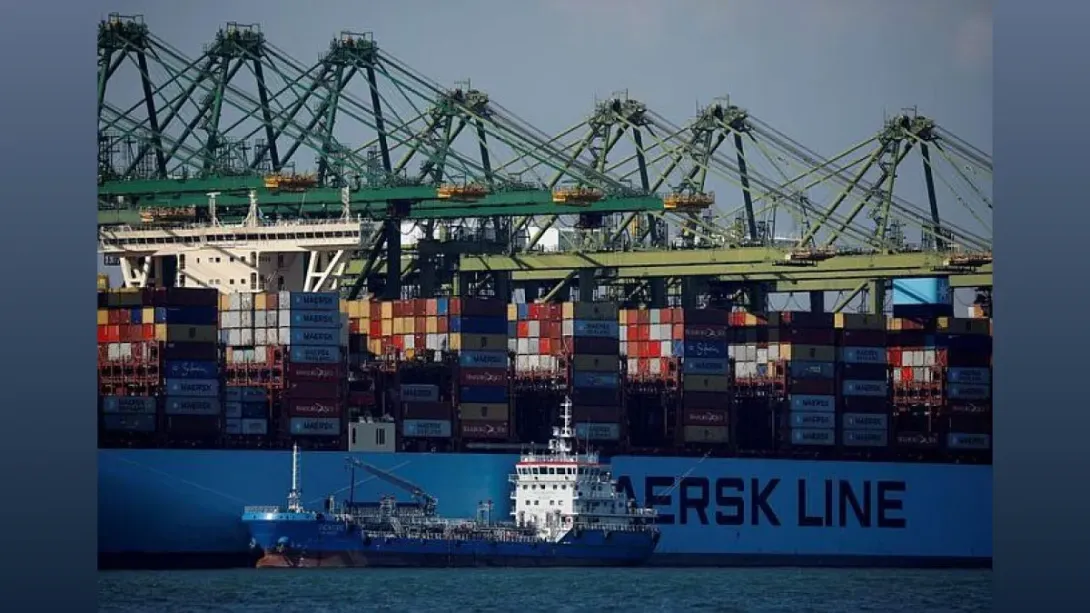
Maharashtra is set to become home to India’s largest shipyard, a transformative development for the nation’s maritime and industrial landscape. The project, aimed at enhancing domestic shipbuilding capacity, is expected to significantly strengthen India’s strategic manufacturing capabilities, create thousands of high-skilled jobs, and attract large-scale investments. Positioned to serve both commercial and defense sectors, the shipyard underscores India’s focus on boosting self-reliance in strategic industries. Analysts believe the initiative will catalyze ancillary industries, drive regional economic growth, and reinforce India’s position in the global shipbuilding arena, signaling a major leap forward for the country’s maritime infrastructure.
Strategic Significance for India’s Maritime Industry
The establishment of India’s largest shipyard in Maharashtra represents a pivotal step in strengthening the nation’s maritime infrastructure. By increasing shipbuilding capacity domestically, India aims to reduce dependence on foreign suppliers while enhancing national security through local manufacturing of naval and commercial vessels. This move aligns with the government’s broader push for self-reliance in strategic industries, particularly under the “Make in India” initiative, which seeks to position the country as a global manufacturing hub.
Experts note that such a facility will not only bolster defense readiness but also stimulate growth in the commercial shipping and export sectors, reinforcing India’s maritime competitiveness.
Economic and Employment Implications
The new shipyard is expected to create thousands of direct and indirect employment opportunities, ranging from skilled engineering roles to ancillary service and supply chain positions. Analysts predict that the project will attract both domestic and international investments, spurring economic activity in Maharashtra and neighboring regions.
The facility’s large-scale operations are anticipated to benefit related industries, including steel, machinery, logistics, and port services, creating a multiplier effect that strengthens the regional economy. This development underscores the role of strategic infrastructure projects in catalyzing inclusive growth and technological advancement.
Boosting Innovation and Technological Capabilities
Beyond sheer capacity, the shipyard is set to become a center for innovation in maritime engineering and design. Advanced manufacturing techniques, state-of-the-art dry docks, and modern vessel construction facilities will enable India to produce a range of ships—from commercial cargo vessels to sophisticated defense crafts—meeting global standards.
By integrating research and development with large-scale manufacturing, the project will facilitate knowledge transfer, enhance technological expertise, and position India as a key player in the international shipbuilding sector.
Strategic and Global Implications
India’s largest shipyard in Maharashtra is more than an industrial project; it is a strategic milestone with global implications. As India strengthens its domestic shipbuilding capabilities, it is likely to increase its presence in international maritime markets and reduce reliance on imports for critical vessels. Analysts suggest that this initiative may also encourage partnerships with global shipping firms and defense contractors, reinforcing India’s stature as a maritime powerhouse.
Conclusion
The upcoming shipyard in Maharashtra marks a significant leap in India’s maritime and industrial strategy. By combining cutting-edge technology, large-scale manufacturing, and economic development, the project promises to strengthen national security, create employment, and enhance India’s competitiveness in global shipbuilding. As the facility takes shape, it is poised to redefine the country’s role in the maritime domain and catalyze a new era of industrial growth.
Comments