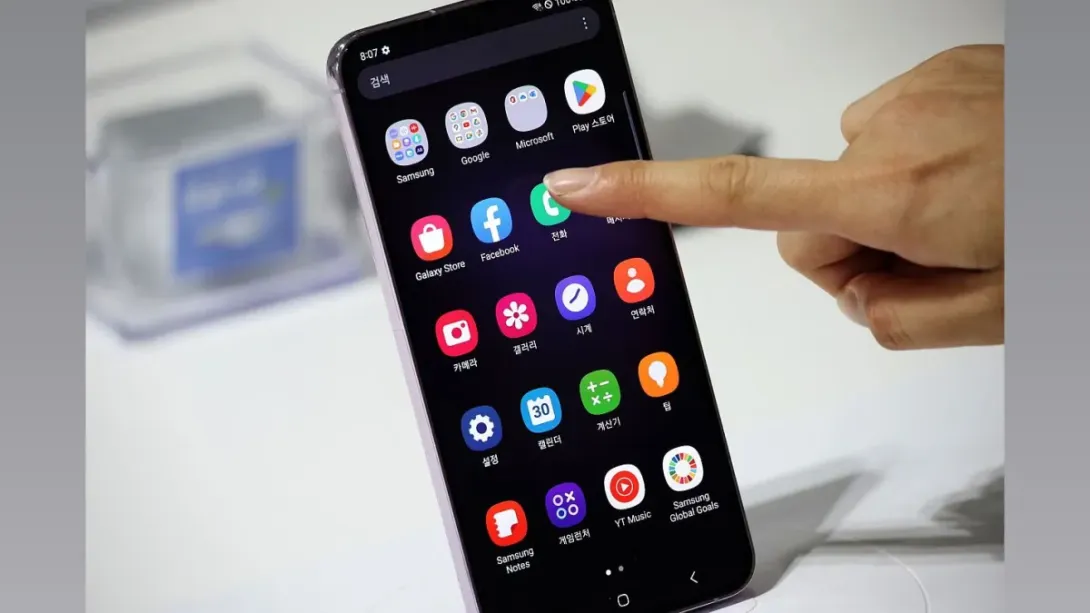
Global electronics major Samsung Electronics plans to expand artificial intelligence features across its smartphone portfolio, including entry-level devices, as it seeks to accelerate mainstream adoption. The announcement coincided with the launch of the third-generation Galaxy AI-powered S26 series in India. Senior executives indicated that AI-enabled smartphones are poised to dominate the next phase of industry growth, reshaping consumer expectations and usage patterns. By embedding advanced AI tools beyond premium models, Samsung aims to strengthen market share, enhance ecosystem loyalty and position itself at the forefront of the evolving mobile technology landscape.
AI Moves From Premium to Mainstream
Samsung’s strategy marks a pivotal shift in the competitive dynamics of the smartphone industry. Traditionally, advanced artificial intelligence capabilities — including generative editing, real-time translation and contextual assistance — were largely confined to flagship models.
Now, the company intends to extend these functionalities to more affordable devices, effectively democratizing access to AI-powered features. Executives believe that widespread integration will transform AI from a differentiator into a baseline expectation among consumers.
This approach signals confidence that AI will become central to user experience rather than a niche premium add-on.
Galaxy S26 Launch Reinforces AI Focus
The unveiling of the third-generation Galaxy AI S26 series underscores Samsung’s long-term commitment to embedding intelligent computing within mobile devices. The new flagship integrates enhanced on-device processing, optimized battery efficiency for AI workloads and deeper ecosystem connectivity.
According to Raju Pullan, Senior Vice President at Samsung India’s MX Business division, AI-enabled smartphones are likely to dominate the market landscape in the coming years. He emphasized that consumer engagement increasingly revolves around productivity tools, personalized content curation and seamless cross-device functionality.
The S26 series is positioned not merely as a hardware upgrade, but as a platform for AI-driven digital interaction.
Competitive Implications for the Smartphone Industry
The decision by Samsung Electronics to expand AI into entry-level devices could intensify competition across price segments. As smartphone penetration approaches saturation in many markets, differentiation through software intelligence may become a key growth lever.
Industry analysts suggest that integrating AI into budget-friendly models could widen the addressable market while driving ecosystem stickiness. Consumers who experience AI-enhanced services at lower price points may be more inclined to remain within the brand’s ecosystem for future upgrades.
This strategy also aligns with global trends emphasizing localized processing and privacy-focused AI applications.
India as a Strategic Growth Market
India remains one of Samsung’s most critical markets, given its scale, youthful demographics and rising digital adoption. The company’s focus on AI democratization aligns with India’s rapidly expanding mid-range smartphone segment.
By introducing advanced capabilities across broader price tiers, Samsung aims to capture aspirational consumers seeking premium-like experiences at accessible price points. This move may also stimulate replacement cycles in a market where device longevity has extended in recent years.
Expanding AI availability could serve as a catalyst for renewed upgrade momentum.
The Future of AI-Driven Mobility
Artificial intelligence is rapidly transitioning from a back-end enhancement to a front-end consumer feature. Real-time language translation, intelligent photography optimization and adaptive performance management are increasingly central to user expectations.
Samsung’s strategy suggests that AI integration will define the next competitive frontier in mobile technology. As hardware innovation reaches incremental limits, software intelligence may determine brand leadership.
Conclusion
Samsung’s plan to democratize AI capabilities across its smartphone portfolio reflects a calculated response to shifting consumer priorities and intensifying global competition. By extending advanced features beyond flagship models, the company is positioning AI as a mass-market standard rather than a luxury attribute.
If successful, this strategy could reshape purchasing decisions and accelerate the evolution of smartphones into fully integrated intelligent companions — marking a new chapter in the digital mobility era.
Comments