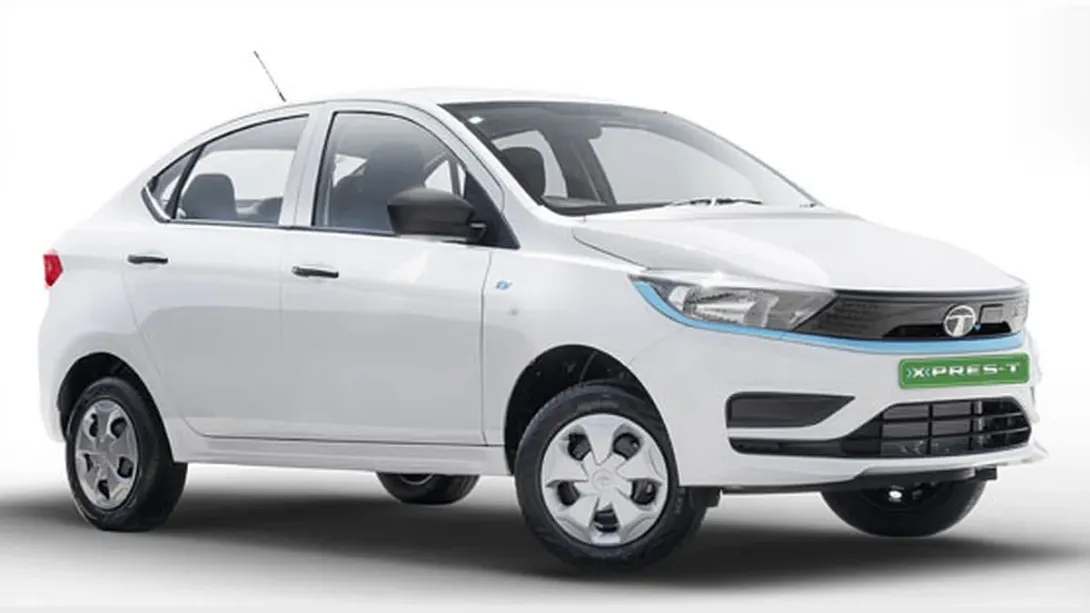
The launch of the Tata Punch EV marks a pivotal moment in India’s electric vehicle transition, signaling a decisive push toward mass-market electrification. Positioned at the entry level, the compact electric SUV blends affordability, practicality and credible driving range, challenging the perception that EVs remain a premium indulgence. Backed by Tata Motors’ expanding EV ecosystem, the Punch EV aims to bring electric mobility within reach of first-time buyers and urban commuters. Its arrival underscores a broader strategic shift: electric vehicles are no longer niche products but central to India’s automotive and industrial future.
A Strategic Expansion of the EV Portfolio
With the introduction of the Tata Punch EV, Tata Motors has extended its electric lineup into the most competitive and price-sensitive segment of the passenger vehicle market. Until recently, electric cars in India were largely confined to higher price brackets, limiting adoption. The Punch EV disrupts that pattern by targeting buyers who value cost efficiency as much as sustainability.
Built on a dedicated electric architecture, the vehicle reflects a shift from adaptation to purpose-built EV design, improving packaging efficiency, safety and overall performance.
Affordability Meets Practical Design
The Punch EV’s defining proposition lies in its balance of price and utility. By leveraging local manufacturing, shared platforms and economies of scale, Tata Motors has managed to control costs without compromising essential features. The compact SUV form factor caters to urban driving conditions while retaining the ground clearance and robustness favored by Indian consumers.
This approach aligns with broader consumer trends, where buyers increasingly seek vehicles that combine environmental responsibility with everyday practicality rather than aspirational luxury.
Technology, Range and Consumer Confidence
Range anxiety remains a key barrier to EV adoption. The Punch EV addresses this concern with competitive driving range figures designed for daily commuting and short intercity travel. Advanced battery management systems, regenerative braking and connected-car features further enhance efficiency and user experience.
Equally important is Tata’s growing charging ecosystem, which strengthens consumer confidence by reducing dependence on limited public infrastructure. The integration of technology and support services positions the Punch EV as a viable primary vehicle rather than a secondary urban runabout.
Economic and Market Implications
From a business perspective, the Punch EV represents more than a new model; it is a volume-driven strategy. Entry-level EVs have the potential to accelerate adoption rates, stimulate supplier investment and lower battery costs over time. As volumes rise, the total cost of ownership becomes increasingly competitive with internal combustion vehicles, even without aggressive subsidies.
For investors and policymakers, the model highlights how industrial scale and pricing discipline can transform EVs into a mainstream product rather than a policy experiment.
A Turning Point for Mass Electrification
The Tata Punch EV signals a maturation of India’s electric vehicle market. By bringing EV technology to a broader demographic, Tata Motors is reshaping consumer expectations and forcing competitors to recalibrate their strategies. The long-term impact extends beyond sales numbers: it sets a precedent for how affordability, innovation and sustainability can converge. In doing so, the Punch EV may well become a catalyst for India’s next phase of automotive growth.
Comments