Auto Sector

By Gurjot Singh , 15 January 2026

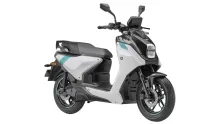
Bajaj Auto is intensifying its push in the electric two-wheeler market with a clear ambition: to emerge as the leading player in India’s fast-growing e-scooter segment. Building on strong early traction, the company is scaling production, expanding its distribution network, and sharpening its product strategy to capture a larger share of demand. The move reflects Bajaj Auto’s confidence in electric mobility as a long-term growth driver amid tightening emission norms and rising consumer preference for sustainable transport.

By Sachman Kochar , 11 January 2026

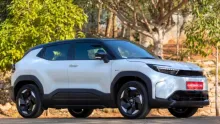
Tata Motors is set to refresh the Punch micro-SUV with an expanded colour palette, a move aimed at strengthening its appeal in a highly competitive segment. The upcoming facelift will be offered in six exterior colours, reflecting the company’s focus on personalization and youthful styling. While the mechanical setup is expected to remain largely unchanged, the updated model is likely to feature subtle design enhancements and improved in-cabin elements.

By Sachman Kochar , 8 January 2026

As Budget 2024 approaches, India’s automobile industry is pressing for clearer policy signals to navigate a rapidly evolving market landscape. Manufacturers, suppliers, and dealers are seeking consistency in taxation, incentives for clean mobility, and long-term clarity on regulatory transitions. With demand stabilising after a volatile period and capital investments rising, the sector views the upcoming Budget as a critical inflection point.

By Gurjot Singh , 7 January 2026

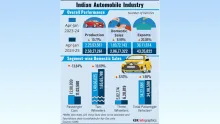
India’s automobile retail sector delivered a solid performance in 2025, recording a 7.71% year-on-year growth, according to industry data from dealer bodies. The expansion reflects resilient consumer demand, improved supply chains, and sustained interest across passenger vehicles, two-wheelers, and commercial segments. Easing inflation, better financing availability, and steady economic activity supported vehicle purchases throughout the year. While urban demand remained stable, rural markets showed renewed momentum, aided by improving incomes and infrastructure spending.

By Eknath Deshpande , 5 January 2026

Sales of luxury electric vehicles (EVs) have shown a noticeable slowdown after recent changes to the Goods and Services Tax (GST) framework, signaling a pause in what had been a steadily accelerating segment of India’s auto market. Higher effective acquisition costs have tempered buyer enthusiasm, particularly among price-sensitive high-end consumers who had been weighing EVs against premium internal combustion models. While long-term fundamentals for electric mobility remain intact, the short-term impact of tax adjustments has altered purchase decisions and dealer sentiment.

By Binnypriya Singh , 3 January 2026

Maruti Suzuki recorded its highest-ever annual production in 2025, underlining the automaker’s manufacturing strength and continued dominance in India’s passenger vehicle market. The milestone reflects robust domestic demand, improved supply-chain resilience, and sustained investments in capacity expansion and operational efficiency. Strong performance across entry-level, compact, and utility vehicle segments supported the record output, even as the industry navigated cost pressures and evolving regulatory norms.

By Gurjot Singh , 2 January 2026

Honda Cars India Limited (HCIL) reported a 3.6% year-on-year increase in sales for December 2025, signaling a steady close to the calendar year. The growth was driven by healthy demand across popular models in the compact and premium segments, supported by improved retail execution and festive-season promotions. While the increase is moderate, it underscores Honda’s ability to maintain market relevance amid competitive pressures and cost-sensitive consumer segments.

By Sachman Kochar , 2 January 2026

Maruti Suzuki is set to revise prices of its small car portfolio in the near future, reflecting mounting cost pressures across the automotive value chain. Higher input prices, increased regulatory compliance expenses, and sustained inflation in logistics and components are narrowing margins in the entry-level segment. While the company has not disclosed the scale or timing of the adjustment, the move underscores the changing economics of affordable mobility in India. Small cars, once the most price-stable category, are increasingly affected by cost pass-through.

By Gurjot Singh , 2 January 2026

TVS Motor Company reported a sharp 50% increase in sales during December, delivering a strong finish to the calendar year and signaling renewed momentum in India’s two-wheeler market. The surge was driven by healthy festive demand, improved supply conditions, and steady recovery across both domestic and export segments. Motorcycles and scooters recorded robust growth, supported by strong retail traction and effective dealer execution. The performance highlights rising consumer confidence and improving affordability as inflation pressures ease.

By Eknath Deshpande , 2 January 2026

Hero MotoCorp closed December with a sharp 40% rise in sales, underscoring a strong finish to the calendar year for India’s largest two-wheeler manufacturer. The surge reflects improving consumer demand, effective festive-season execution, and steady recovery across both rural and urban markets. Higher dispatches of motorcycles and scooters, supported by better inventory availability and targeted product offerings, contributed to the performance. The December rebound also signals growing confidence in discretionary spending as financing conditions stabilize.