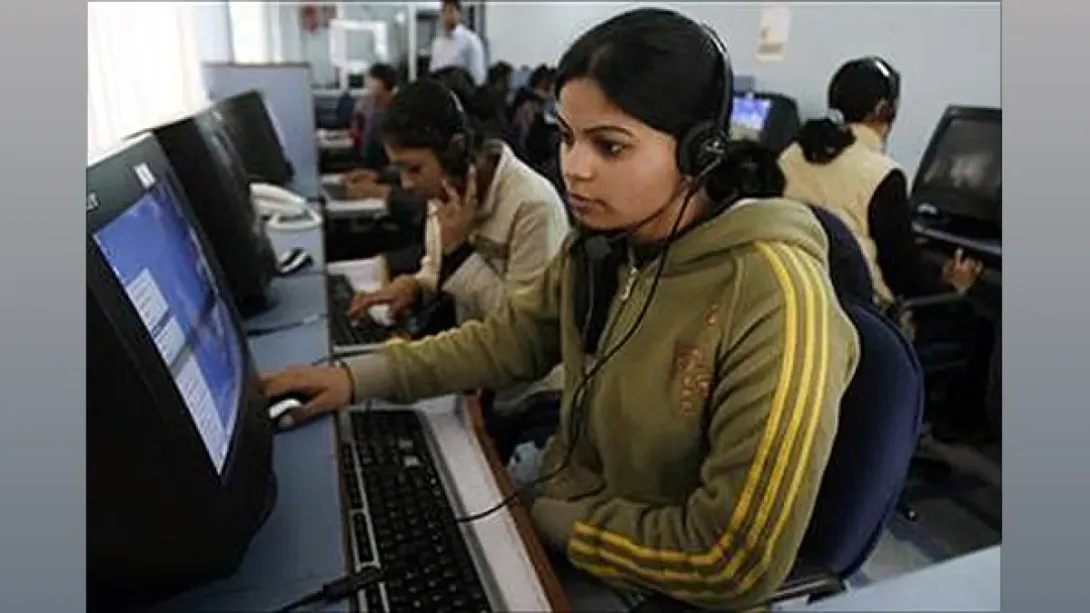
New data on workforce composition across National Stock Exchange (NSE)–listed companies highlights a persistent and troubling gender imbalance. More than half of these firms employ women at levels below 10%, underscoring deep-rooted structural gaps in recruitment, leadership pipelines, and workplace inclusion. The figures point to a widening disparity at a time when Indian corporations are under increasing pressure to demonstrate diversity, improve board representation, and build equitable organizations. The findings reignite a national conversation on barriers to women’s participation in the formal sector and the urgent need for companies to adopt measurable, outcome-driven diversity policies.
---
Majority of NSE Firms Lag on Gender Representation
A significant 52% of NSE-listed companies have reported women participation levels below 10% in their total workforce. This number signals a structural issue rather than isolated shortcomings, revealing that gender inclusion remains inconsistent across industries.
Sectors with traditionally male-dominated roles continue to show some of the lowest representation, but even service-based businesses — typically considered more gender-balanced — exhibit wide divergences in hiring and retention patterns. The data calls attention to the gaps that persist despite years of corporate commitments to diversity and inclusion.
---
Limited Progress Despite Policy Push
India’s corporate governance framework has evolved to encourage gender representation, particularly at the board level. Mandatory requirements for at least one woman director were intended to push companies toward broader workforce inclusion.
However, the concentration of women in limited roles, combined with slow progress in middle-management pipelines, shows the limitations of compliance-led approaches. Many companies meet the minimum regulatory threshold without building the internal structures needed to sustain long-term gender balance.
---
Structural Barriers Hindering Women’s Participation
The low representation of women across listed companies reflects enduring challenges in India’s formal workforce. Analysts point to several structural constraints:
Limited access to leadership tracks: Women remain underrepresented in roles that feed into senior management.
Workplace rigidity: Lack of flexible work options continues to affect retention.
Sectoral biases: Industries such as manufacturing, infrastructure, and heavy engineering remain dominated by male employees.
Career interruptions: Breaks due to caregiving responsibilities often reduce the likelihood of re-entry at comparable positions.
These systemic issues contribute to the disproportionately low workforce numbers, even in companies with strong financial and operational performance.
---
Economic Implications for Corporate India
A workforce lacking gender diversity can impede innovation, reduce productivity, and weaken long-term competitiveness. Research consistently links women’s participation to improved decision-making, stronger governance standards, and enhanced financial outcomes.
With global investors increasingly prioritizing Environment, Social, and Governance (ESG) metrics, companies with low female representation may face mounting scrutiny. Limited diversity could influence capital flows, investor confidence, and long-term valuations — making workforce balance not just a social obligation, but a business imperative.
---
A Path Toward Inclusive Growth
Experts argue that real progress requires measurable actions rather than symbolic gestures. Companies looking to strengthen gender diversity may benefit from:
Implementing structured mentorship and leadership development programs for women
Designing flexible work models that support long-term career continuity
Setting transparent diversity targets with annual reporting
Creating unbiased recruitment processes that widen the candidate pool
Such steps can help reframe diversity as a strategic priority rather than a compliance requirement.
---
Conclusion
The revelation that 52% of NSE-listed companies employ women at levels below 10% is a stark reminder of the distance yet to be covered in India’s corporate diversity journey. While conversations around inclusion have intensified, the figures suggest that meaningful progress requires stronger accountability, deeper cultural change, and sustained policy commitment. For Corporate India to remain globally competitive, bridging the gender gap is no longer optional — it is an economic and ethical necessity.
Comments