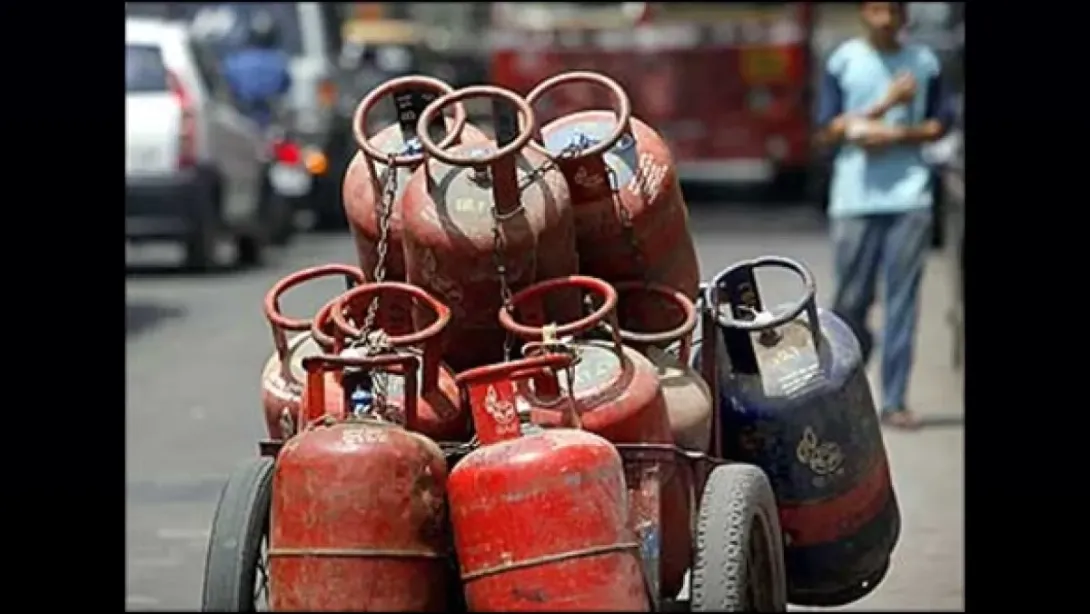
A recent study by The Energy and Resources Institute (TERI) has urged policymakers to formally include Auto LPG in India’s alternative fuel framework, citing its immediate environmental and economic benefits. The report argues that Auto LPG offers a practical, low-emission solution for reducing vehicular pollution while supporting energy diversification. With existing infrastructure, lower carbon intensity, and competitive costs compared with conventional fuels, Auto LPG could play a complementary role alongside electric mobility and compressed natural gas. The study positions Auto LPG as a transitional fuel capable of delivering near-term gains as India advances toward long-term decarbonization goals.
TERI Highlights Auto LPG’s Strategic Relevance
The TERI study emphasizes that Auto LPG remains an underutilized option in India’s clean mobility discourse, despite its proven performance in reducing vehicular emissions. According to the analysis, the fuel can be readily deployed using existing vehicle technology and distribution networks, making it a practical choice for rapid adoption.
Researchers noted that Auto LPG aligns with India’s broader energy transition objectives by offering a cleaner alternative to petrol and diesel without requiring large-scale infrastructure investments.
Environmental and Economic Advantages
The study points out that Auto LPG produces significantly lower particulate matter and nitrogen oxide emissions compared with conventional fuels, contributing to improved urban air quality. It also delivers lower greenhouse gas emissions on a well-to-wheel basis, supporting India’s climate commitments.
From an economic standpoint, Auto LPG is typically priced lower than petrol, providing direct cost savings to consumers in Rs. terms. TERI argues that these savings could be particularly meaningful for commercial vehicle operators and high-mileage users.
Complementary Role in the Clean Mobility Mix
Rather than positioning Auto LPG as a competitor to electric vehicles or other alternative fuels, the report frames it as a complementary solution. TERI notes that while electric mobility represents the long-term future, its widespread adoption faces challenges related to charging infrastructure, battery costs, and grid readiness.
In this context, Auto LPG could serve as a bridging fuel, delivering immediate emission reductions while the ecosystem for next-generation mobility continues to mature.
Policy Support and Regulatory Recognition Needed
TERI’s study calls for clearer policy recognition of Auto LPG within national and state-level clean fuel programs. Recommendations include fiscal incentives, inclusion in clean mobility targets, and awareness campaigns to address consumer misconceptions about safety and performance.
The report also highlights the need for harmonized regulations to encourage vehicle conversions and original equipment manufacturer support, which could accelerate adoption across segments.
Implications for Energy and Transport Policy
Energy analysts say the study adds a pragmatic dimension to India’s clean transport debate, which has largely focused on electrification. By advocating a technology-neutral approach, TERI underscores the importance of leveraging multiple solutions to achieve emissions reduction goals.
As policymakers weigh cost, scalability, and environmental impact, the inclusion of Auto LPG could offer a balanced pathway—delivering near-term benefits while supporting the country’s long-term transition to sustainable mobility.
Comments