Stock Markets

By Sachman Kochar , 16 February 2026

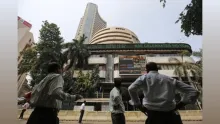
Indian equity markets witnessed a sharp and widespread selloff, wiping out approximately Rs 7.02 lakh crore in investor wealth in a single trading session. The decline reflected mounting global uncertainties, profit-booking at elevated valuations and risk aversion among institutional participants. Benchmark indices retreated significantly, with heavyweights across banking, information technology and capital goods sectors contributing to the erosion. The market capitalization contraction underscores the fragile sentiment currently shaping capital flows.

By Tushar Sharma , 16 February 2026

India’s primary market has received a fresh boost as the Securities and Exchange Board of India granted approval to five companies to proceed with their initial public offerings. The clearance, which includes prominent names such as Premier Energies and Duroflex, underscores sustained investor appetite for new listings despite intermittent volatility in secondary markets. The move reflects regulatory confidence in the issuers’ disclosures and governance frameworks.

By Tushar Sharma , 14 February 2026

The initial public offering of Aye Finance concluded with an overall subscription of 97% on the final day of bidding, reflecting cautious yet tangible investor participation. While demand strengthened in the closing hours, the issue fell marginally short of full subscription, signaling selective appetite amid evolving market conditions. Institutional participation remained steady, while retail and non-institutional segments displayed calibrated engagement.

By Sachman Kochar , 10 February 2026

Global equity markets are entering a decisive phase as investors weigh persistent inflationary pressures, mixed corporate earnings and shifting international economic dynamics. Central bank policy trajectories, commodity price movements and geopolitical developments continue to influence risk appetite. While moderating inflation has offered periodic relief, uneven earnings growth across sectors underscores structural adjustments underway in the global economy.

By Binnypriya Singh , 3 February 2026

Indian equity benchmarks tumbled sharply after reports of a proposed hike in the Securities Transaction Tax (STT) unsettled investor sentiment. The Sensex and Nifty witnessed broad-based selling as market participants reassessed trading costs and near-term liquidity conditions. The prospect of higher transaction taxes triggered profit-booking across sectors, with rate-sensitive and high-turnover stocks bearing the brunt. Analysts cautioned that even modest increases in STT can materially affect derivatives volumes and short-term trading strategies.

By Tushar Sharma , 2 February 2026

Indian stock markets traded with sharp intraday swings ahead of the Union Budget 2026-27, reflecting heightened investor caution and restrained risk appetite. Benchmark indices struggled for direction as market participants assessed expectations around fiscal discipline, government spending, and tax policy. Global cues, including uncertainty over interest rates and commodity prices, further clouded sentiment. With the budget expected to set the economic agenda for the coming year, investors remained hesitant to take large positions, opting instead for selective buying and profit booking.

By Gurjot Singh , 2 February 2026

Indian equity markets remained volatile in the run-up to the Union Budget 2026-27, as investors weighed policy expectations against global economic uncertainty. Benchmark indices swung between gains and losses, reflecting caution ahead of key announcements on fiscal strategy, taxation, and government spending. Market participants are closely tracking signals on capital expenditure, fiscal deficit management, and sector-specific incentives that could influence earnings outlooks.

By Gurjot Singh , 31 January 2026

Indian equity markets ended lower in cautious trading as investors pared exposure ahead of the Union Budget, awaiting clarity on fiscal priorities, taxation and growth-focused reforms. Weak global cues and selective profit-booking added to the pressure, dragging benchmark indices into negative territory. Market participants adopted a wait-and-watch approach, with heightened volatility reflecting uncertainty over potential policy signals for infrastructure spending, fiscal consolidation and sector-specific incentives.

By Sachman Kochar , 25 January 2026

Shares of InterGlobe Aviation Ltd., the operator of IndiGo, fell sharply after the airline reported a decline in profit for the third quarter, underscoring mounting pressure from higher operating costs and softer yields. The earnings outcome disappointed investors who had priced in sustained profitability amid strong passenger demand. Rising fuel expenses, currency-related costs, and competitive pricing weighed on margins, offsetting growth in traffic volumes. The market reaction highlights growing sensitivity to cost discipline and pricing power in the aviation sector.

By Sachman Kochar , 25 January 2026

India’s equity benchmarks ended lower as sustained selling by foreign institutional investors (FIIs) dampened investor sentiment and erased early gains. The Sensex and the Nifty retreated amid concerns over global interest-rate trajectories, a stronger U.S. dollar, and cautious risk appetite across emerging markets. Financials and information technology stocks bore the brunt of the decline, while selective buying in defensive pockets offered limited support.