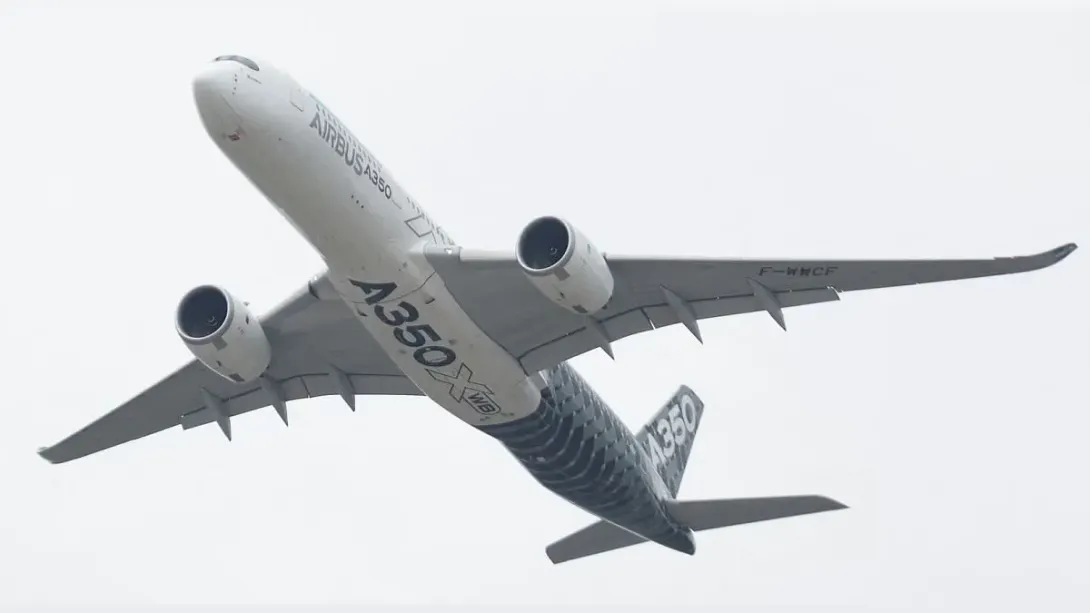
Star Air, the regional Indian airline, is charting an ambitious expansion trajectory with the addition of new aircraft from Airbus and Embraer to its fleet. This strategic fleet augmentation underscores the carrier’s commitment to increasing capacity, enhancing route connectivity, and strengthening its presence in the competitive regional aviation market. The move aligns with broader industry trends of fleet modernization and operational efficiency. By leveraging the capabilities of both Airbus’s narrow-body jets and Embraer’s regional aircraft, Star Air aims to optimize route economics while addressing growing passenger demand, positioning itself for sustainable growth in the evolving aviation sector.
Fleet Expansion Strategy
Star Air’s decision to integrate Airbus and Embraer aircraft reflects a targeted approach to fleet diversification. Airbus’s narrow-body jets offer increased seating capacity for high-demand routes, while Embraer’s regional aircraft provide operational flexibility for secondary cities and lower-density markets. This dual-pronged strategy allows the airline to balance capacity with demand, optimize fuel efficiency, and reduce per-passenger costs—key metrics for profitability in India’s cost-sensitive aviation sector.
The airline is reportedly scheduling the delivery of these new aircraft over the next 12–24 months, ensuring a phased integration that minimizes operational disruption while scaling its network.
Market Positioning and Connectivity
With this fleet expansion, Star Air is poised to strengthen its footprint across regional corridors, particularly under the government’s UDAN (Ude Desh ka Aam Naagrik) scheme aimed at enhancing connectivity to underserved cities. The airline’s expanded fleet will enable increased flight frequencies, improved schedule reliability, and more competitive ticket pricing, all of which contribute to market share growth.
This strategic positioning also anticipates rising domestic travel demand, which has been steadily recovering post-pandemic. By targeting both business and leisure travelers, Star Air is likely to enhance load factors and achieve stronger route profitability.
Financial and Operational Implications
While the precise investment outlay has not been disclosed, acquiring modern Airbus and Embraer jets represents a significant capital expenditure. However, the long-term operational benefits—including fuel efficiency, lower maintenance costs, and improved turnaround times—are expected to offset initial costs.
Furthermore, expanding the fleet provides Star Air with scalability and operational resilience, enabling it to respond dynamically to market demand fluctuations while maintaining service quality. Strategic fleet planning is critical in an industry where aircraft utilization directly impacts revenue per available seat kilometer (RASK) and overall financial performance.
Industry Context and Competitive Edge
The regional aviation sector in India is witnessing intensified competition, with both established and emerging carriers vying for market share. Star Air’s fleet diversification positions it to compete effectively, offering both capacity on high-density routes and flexibility for niche destinations.
Additionally, the introduction of fuel-efficient aircraft enhances the airline’s environmental profile, aligning with growing sustainability expectations among regulators, investors, and passengers. This strategic initiative may also bolster investor confidence and attract potential partnerships or alliances.
Conclusion
Star Air’s expansion with Airbus and Embraer aircraft represents a calculated move to solidify its regional presence and scale operations efficiently. By combining higher-capacity jets with versatile regional aircraft, the airline is strategically enhancing route connectivity, operational efficiency, and market competitiveness. As India’s domestic aviation demand continues to recover and evolve, Star Air’s proactive fleet augmentation positions it favorably for sustainable growth, profitability, and long-term resilience in a dynamic and increasingly competitive sector.
Comments