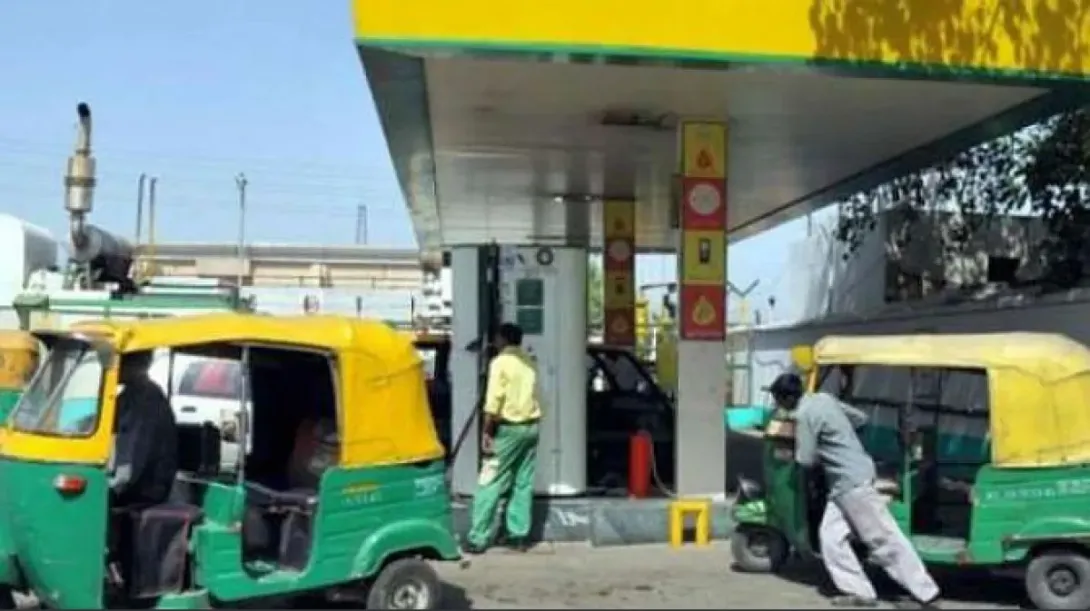
India is preparing for a transformative shift in its natural gas ecosystem as the Petroleum and Natural Gas Regulatory Board (PNGRB) unveils its Vision 2040 roadmap aimed at creating a free, competitive, and transparent gas market. The plan seeks to expand national gas infrastructure, enhance market-based pricing, and attract greater private-sector participation. With an emphasis on accessibility, affordability, and sustainability, PNGRB’s blueprint aligns with India’s long-term energy security goals while supporting industrial growth and environmental commitments. The reform agenda is expected to redefine the country’s gas economy, foster competition, and enable a fully liberalized marketplace by 2040.
PNGRB Sets the Stage for Market Liberalization
The PNGRB’s Vision 2040 marks a pivotal step in India’s transition toward a deregulated and market-driven gas sector. The roadmap outlines a shift from controlled pricing and limited access to an ecosystem characterized by transparency, open access, and competitive efficiency.
Regulators have stressed that a free gas market will improve supply reliability, encourage innovation, and enable the industry to respond more effectively to demand. The initiative also aligns with the government’s broader ambition to raise the share of natural gas in India’s energy mix, thereby reducing carbon emissions and improving energy affordability.
Infrastructure Expansion at the Core of Reform
A central pillar of the Vision 2040 strategy is the accelerated expansion of gas infrastructure, including pipelines, LNG terminals, and city gas distribution networks. PNGRB aims to ensure nationwide coverage that supports industrial clusters, transport networks, and residential consumers.
Expanding pipeline connectivity is especially crucial for building a free market, as it allows multiple suppliers to compete for customers across regions. Analysts say improved infrastructure will enhance supply-chain resilience and broaden the participation of both domestic and international players.
Market-Based Pricing to Drive Competition
A key component of the reform roadmap is the move toward market-determined pricing. PNGRB envisions a transparent framework where gas prices reflect demand-supply dynamics rather than administrative controls.
This shift is expected to stimulate investment, improve efficiency, and eliminate distortions that have historically inhibited growth in the sector.
Experts believe market-led pricing, combined with open access to infrastructure, will help India attract global gas suppliers and foster a competitive environment that benefits industrial and retail consumers alike.
Boosting Investment Through Regulatory Certainty
PNGRB’s long-term reform plan emphasizes regulatory stability as essential for attracting capital. Greater clarity around pipeline tariffs, contract structures, and access rules is expected to improve investor confidence and accelerate the development of critical assets.
The board aims to integrate international best practices in safety, operations, and governance to position India as a credible, stable, and investment-friendly gas market. This is particularly important as the country seeks to balance rising energy needs with sustainability commitments.
City Gas Distribution to Play a Transformational Role
City gas distribution (CGD) networks—covering households, transport, and small industries—are positioned to play a substantial role in the Vision 2040 framework. PNGRB plans to widen CGD penetration across urban and semi-urban regions, enabling millions of households to shift to cleaner fuels.
By enhancing CGD access, the board hopes to deepen consumption footprints, increase urban energy efficiency, and provide an environmentally friendly alternative to conventional fuels.
Outlook: A New Era for India’s Gas Economy
PNGRB’s Vision 2040 provides an ambitious yet pragmatic roadmap for transforming India’s gas sector into a fully liberalized and competitive marketplace.
The success of the initiative will depend on coordinated policy execution, infrastructure expansion, and sustained investor engagement.
If implemented effectively, the reforms could reposition natural gas as a key pillar of India’s future energy strategy, balancing economic growth with environmental stewardship. The coming decade will be crucial in determining whether India can achieve its goal of a dynamic, consumer-centric, and globally integrated gas market.
Comments