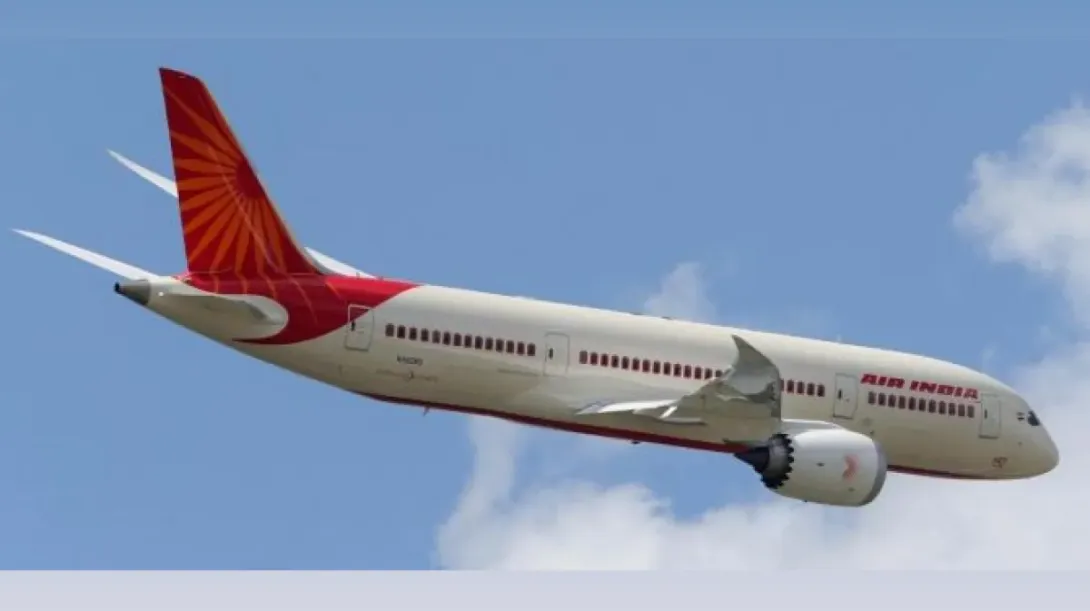
India’s Directorate General of Civil Aviation (DGCA) has launched an investigation into an unusual RAT (Ram Air Turbine) deployment incident aboard an Air India flight. The RAT, a critical emergency device that supplies power during complete engine or electrical failure, was deployed under circumstances that raised safety concerns. Preliminary reports suggest no injuries occurred, but the event has prompted regulators to examine operational protocols, crew response, and aircraft systems. Aviation experts stress that such investigations are essential to maintaining high safety standards and ensuring compliance with national and international aviation regulations.
Incident Overview
The incident involved the unexpected deployment of the RAT during a routine flight, triggering immediate operational alerts:
- Flight Details: The aircraft involved was a commercial Air India flight operating on a domestic/international route.
- RAT Functionality: The Ram Air Turbine automatically provides emergency hydraulic and electrical power if the main systems fail.
- Immediate Response: Flight crew followed standard operating procedures, ensuring passenger safety and stabilizing aircraft systems.
DGCA Investigation Focus
The DGCA investigation will examine several critical factors:
Technical Assessment: Engineers will review aircraft systems, including hydraulics, electrical networks, and RAT deployment mechanisms.
Crew Actions: Pilot and crew response protocols will be scrutinized to ensure adherence to safety procedures.
Maintenance Records: Aircraft maintenance history, including recent inspections and any reported technical anomalies, will be evaluated.
Operational Compliance: Review of airline adherence to safety regulations and industry best practices.
The goal is to identify root causes and implement measures to prevent recurrence.
Safety Implications and Aviation Protocols
While the RAT deployment did not result in casualties, aviation safety experts underscore the seriousness of such incidents:
- Passenger Safety: Automatic systems like the RAT are critical fail-safes; unexpected activation requires thorough evaluation.
- Regulatory Oversight: DGCA oversight ensures that airlines maintain operational safety standards and comply with civil aviation regulations.
- Industry Confidence: Prompt investigation reassures the public and stakeholders about India’s commitment to aviation safety.
Air India Response
Air India has stated that all passengers and crew were safe and that the aircraft returned to normal operations without further complications. The airline is cooperating fully with DGCA and has initiated an internal review to complement regulatory inquiries.
Broader Implications for Aviation Safety
This incident highlights the importance of:
- Continuous Monitoring: Ensuring that emergency systems are regularly tested and maintained.
- Training and Preparedness: Regular crew training for rare but critical scenarios strengthens operational safety.
- Regulatory Vigilance: DGCA investigations serve as a critical mechanism to uphold national and international aviation standards.
Experts suggest that findings from the investigation may inform policy updates and operational procedures across airlines to mitigate similar risks in the future.
Conclusion
The DGCA’s probe into the Air India RAT deployment incident underscores India’s proactive stance on aviation safety. While the event did not result in injuries, it serves as a reminder of the complexities of modern aircraft systems and the necessity for stringent regulatory oversight. Airlines, regulators, and stakeholders will closely monitor the investigation outcomes to enhance safety protocols, maintain operational integrity, and bolster passenger confidence in Indian aviation.
Comments