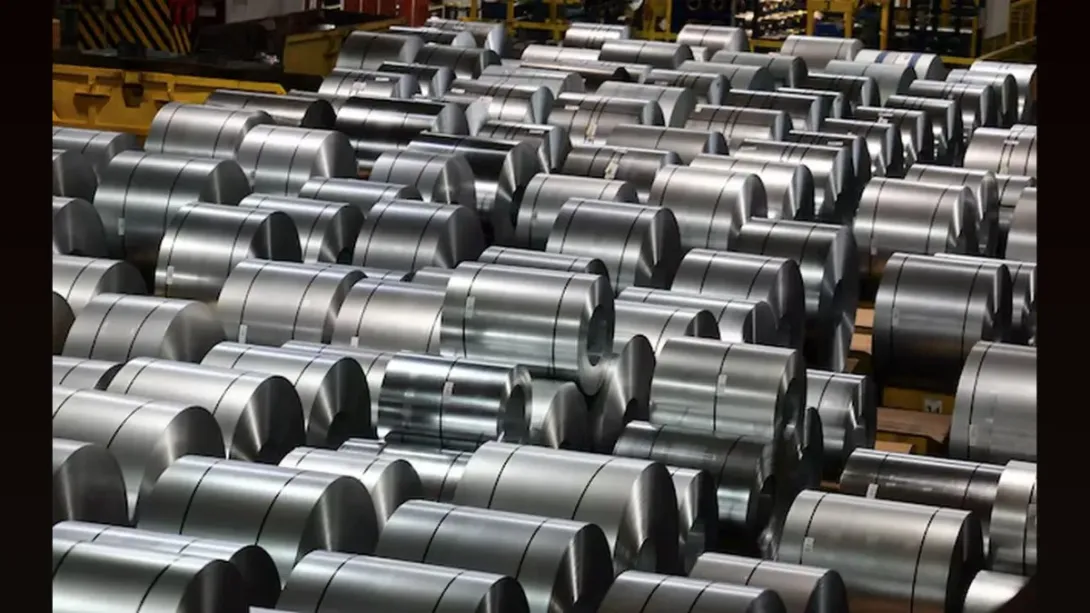
In a bold move to strengthen its global footprint, Jindal Steel and Power Ltd. has placed a bid for the steel division of Germany’s Thyssenkrupp, one of Europe’s largest industrial conglomerates. The potential acquisition signals Jindal Steel’s ambition to expand beyond India and gain access to advanced technology, premium markets, and established infrastructure. If successful, the deal could reshape the competitive landscape of the global steel industry, positioning Jindal Steel as a formidable player with diversified geographic reach. Industry observers note that the bid reflects the growing confidence of Indian steelmakers in pursuing high-value international assets.
A Strategic Global Expansion
Jindal Steel’s interest in Thyssenkrupp’s steel business highlights its strategy of leveraging India’s cost competitiveness while tapping into Europe’s mature market. By acquiring the German unit, Jindal could gain access to established distribution networks, high-grade steelmaking capabilities, and decades of engineering expertise. Such an acquisition would not only diversify revenue streams but also enhance the company’s resilience against domestic market fluctuations.
The Significance of Thyssenkrupp Steel
Thyssenkrupp’s steel division remains one of Europe’s most recognized producers, supplying advanced materials to automotive, construction, and engineering industries. Despite facing challenges from overcapacity, high energy costs, and the shift toward greener technologies, the unit retains strategic importance within Europe’s industrial supply chain. For Jindal Steel, this presents an opportunity to integrate cutting-edge capabilities with its own growing operations in India.
Industry Dynamics and Competitive Pressure
The global steel industry is undergoing transformation, driven by sustainability imperatives, energy price volatility, and decarbonization targets. European steelmakers are under pressure to reduce emissions and transition to green hydrogen-based production. Jindal’s bid, therefore, is not merely about scale but also about positioning itself at the forefront of this transition. With India ramping up efforts to become a low-cost, environmentally conscious steel producer, the acquisition could create valuable synergies.
Potential Challenges Ahead
While the bid underscores ambition, execution could prove complex. Regulatory hurdles in Europe, labor union negotiations, and the integration of two vastly different operational cultures pose significant challenges. Financing such a large transaction also raises questions about Jindal Steel’s balance sheet and its ability to sustain investments in both domestic and overseas markets. Analysts caution that success will depend on striking the right balance between strategic vision and financial prudence.
Implications for India’s Steel Sector
If successful, the acquisition would mark one of the most significant overseas moves by an Indian steel company since Tata Steel’s landmark purchase of Corus in 2007. It would reinforce India’s position as an emerging powerhouse in the global steel industry while sending a strong signal about the international competitiveness of Indian corporates. For Jindal Steel, the bid represents not just growth but also a step toward reshaping global steel supply chains.
Comments