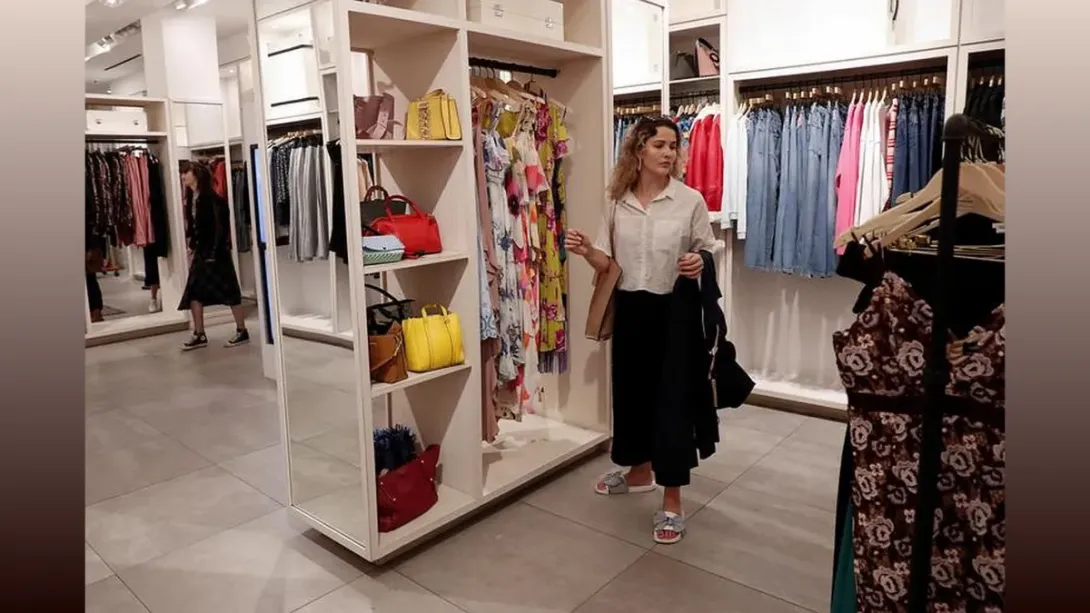
The Delhi-NCR region witnessed a sharp 25 percent increase in retail space demand during the first half of 2025, according to CBRE’s latest market report. This surge highlights a revival in consumer spending and a renewed appetite for organized retail across malls and high streets. Fashion retailers, food and beverage chains, and electronics brands emerged as the primary drivers of leasing activity. Experts say this trend underscores both the resilience of India’s consumption-driven economy and the growing importance of NCR as a preferred hub for domestic and global retailers seeking expansion opportunities.
Fashion and F&B Lead Leasing Momentum
CBRE data reveals that fashion brands accounted for the largest share of leasing transactions, reflecting consumers’ increasing focus on lifestyle and aspirational shopping. Food and beverage operators, including quick-service restaurants and premium dining formats, also recorded significant expansions. Electronics retailers, buoyed by rising demand for smartphones and home appliances, contributed meaningfully to the overall leasing activity.
This mix of categories demonstrates the diversification of India’s retail ecosystem, where discretionary spending is rising alongside essentials.
Growth of Organized Retail in NCR
Delhi-NCR remains one of the most dynamic retail markets in the country due to its dense population, high disposable incomes, and expanding urban footprint. The period between January and June 2025 saw robust absorption of prime spaces in malls, particularly in Gurugram and Noida, while high streets in South and Central Delhi continued to attract established brands.
Developers are also responding with new projects, adding modern retail formats that cater to both luxury and mass-market shoppers.
Evolving Consumer Preferences
Industry experts note that Indian consumers are increasingly seeking experiential retail, blending shopping with leisure and entertainment. This is prompting retailers to adopt omni-channel strategies, integrating online and offline offerings to capture demand across touchpoints.
The rise of organized retail also aligns with the country’s demographic shifts, including a young population, urban migration, and the growth of nuclear households with higher discretionary incomes.
Outlook for 2025
CBRE forecasts that leasing momentum will remain strong through the rest of the year, with sustained demand expected during the festive season. International brands are likely to expand aggressively, viewing India as a high-growth market amid slowing consumption trends in other regions.
For Delhi-NCR specifically, upcoming infrastructure projects such as new metro corridors and improved connectivity to peripheral areas are expected to further boost the attractiveness of retail real estate.
Conclusion
The 25 percent jump in retail space demand in Delhi-NCR signals a robust recovery in India’s consumption landscape. With fashion, food, and electronics driving leasing activity, the region is cementing its position as a retail powerhouse. As developers and retailers adapt to evolving consumer expectations, 2025 may mark a pivotal year for the organized retail sector—strengthening its role as a pillar of India’s urban economy.
Comments