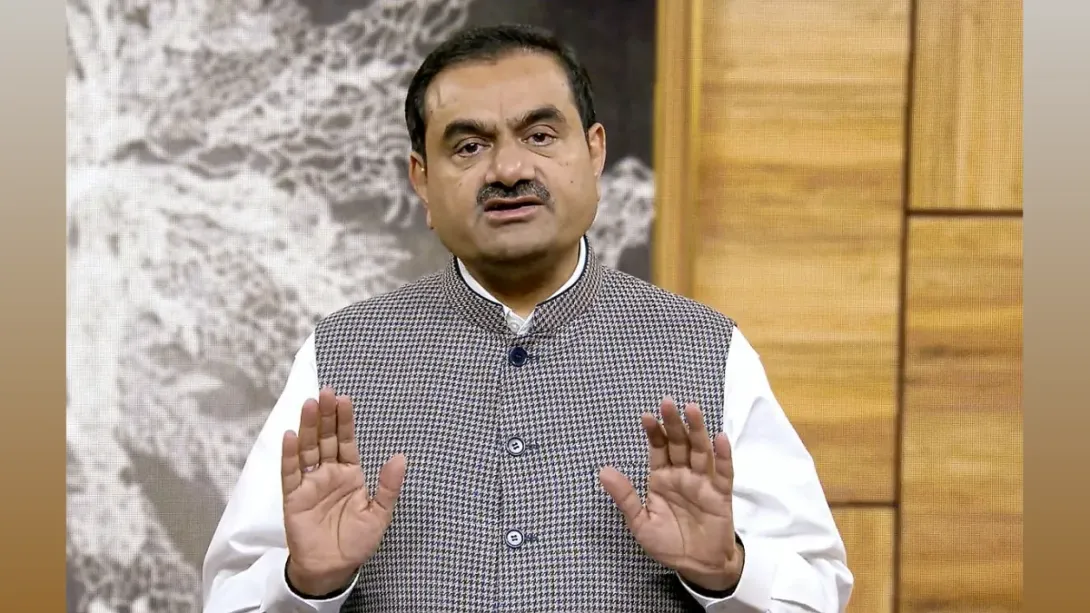
India may soon return to the global motorsport spotlight as Adani Group moves to revive Formula 1 racing in Greater Noida. The proposed initiative aims to restore India’s presence on the elite international racing calendar while unlocking economic and branding opportunities tied to large-scale sporting events. Greater Noida, which previously hosted Formula 1 races, is being positioned as the centerpiece of the revival due to its existing infrastructure and connectivity. If realized, the plan could boost tourism, catalyze urban development, and reinforce India’s ambitions as a host of premium global sporting spectacles.
Push to Reintroduce Formula 1 in India
The Adani Group has initiated discussions to bring Formula One back to India after more than a decade. The move reflects renewed confidence in the commercial viability of global sporting events and a belief that India’s market maturity and audience scale now better support such ventures.
Sources familiar with the matter indicate that the effort will involve close coordination with international motorsport authorities, commercial rights holders, and government agencies to ensure long-term sustainability.
Greater Noida Back in Focus
Greater Noida has emerged as the preferred location for the proposed revival, owing to its established motorsport legacy and proximity to the National Capital Region. The area already offers critical advantages, including road connectivity, hospitality infrastructure, and access to a large urban audience.
A successful return of Formula 1 could significantly enhance Greater Noida’s profile as a destination for international events, complementing its broader industrial and urban development trajectory.
Economic and Business Impact
Hosting Formula 1 is widely regarded as an economic multiplier. Beyond ticket revenues, such events generate substantial spillover benefits for tourism, aviation, hotels, advertising, and local services. Analysts note that a single race weekend can inject hundreds of crores of rupees into the local economy through direct and indirect spending.
For India, the return of Formula 1 could also strengthen the country’s sports economy and reinforce its global brand as a capable host for high-value international events.
Strategic Fit for the Adani Group
For the Adani Group, the initiative aligns closely with its broader interests in infrastructure, logistics, energy, and urban development. Reviving Formula 1 would require large-scale project execution, regulatory coordination, and long-term capital commitment—areas where the conglomerate has demonstrated capacity.
Observers say the group’s involvement could address challenges that hindered earlier editions, particularly around financing, operations, and stakeholder alignment.
Challenges That Remain
Despite optimism, the revival will depend on overcoming regulatory, fiscal, and commercial hurdles. Previous Formula 1 races in India were disrupted by tax disputes and cost structures that strained viability. Industry experts stress that policy clarity, predictable taxation, and long-term sponsorship frameworks will be essential to ensure continuity.
Alignment with Formula 1’s global calendar and evolving commercial model will also be critical.
A Potential Turning Point for Indian Motorsport
If the plan materializes, the Adani Group–led effort could mark a defining moment for Indian motorsport, reconnecting the country with one of the world’s most-watched sporting platforms. More broadly, it would signal India’s readiness to leverage sport as a strategic tool for economic growth, global visibility, and urban transformation.
Comments