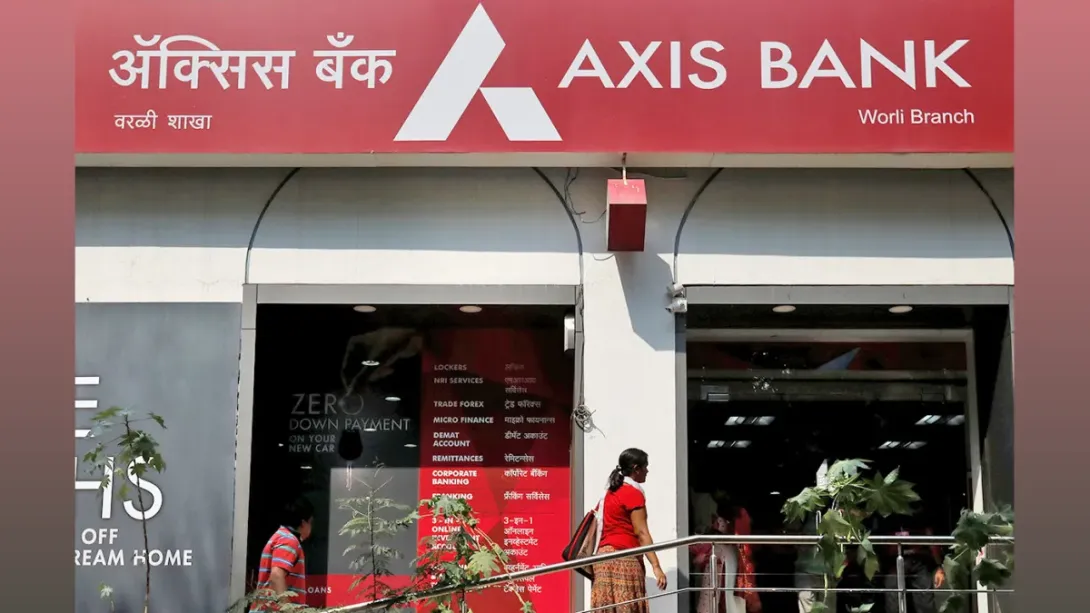
Axis Bank reported a modest rise in third-quarter profit, reflecting stable asset quality and sustained expansion in its retail lending portfolio. The private-sector lender recorded a 4 percent year-on-year increase in net earnings, supported by healthy loan growth and improved interest income. Retail advances expanded 6 percent, highlighting continued consumer demand across home, personal, and vehicle loans. While margin pressures persisted amid competitive deposit rates, the bank maintained disciplined risk management and provisioning. Analysts view the results as a sign of resilience in a tightening financial environment, with retail credit serving as a key engine for long-term balance sheet stability.
Earnings Performance Reflects Stability
Axis Bank delivered a measured performance in the December quarter, reporting a 4 percent increase in net profit compared with the same period a year earlier. The growth was driven primarily by higher net interest income, as lending volumes continued to expand despite a competitive funding environment.
Operating profit remained steady, supported by controlled expenses and stable credit costs. The bank’s earnings trajectory signals consistent execution rather than rapid acceleration, a trend that investors often interpret as a sign of operational discipline.
Retail Lending Drives Balance Sheet Expansion
Retail loans emerged as the primary growth engine during the quarter, rising 6 percent year on year. Demand remained strong across secured loan categories, particularly housing and auto financing, while unsecured personal lending also showed resilience.
The retail segment’s expansion reflects Axis Bank’s strategic pivot over recent years toward granular, lower-risk assets. By diversifying across millions of borrowers rather than relying heavily on large corporate exposures, the bank has sought to reduce earnings volatility and enhance portfolio quality.
Margin Pressures and Funding Costs
Like many lenders, Axis Bank faced margin compression as deposit rates remained elevated in a competitive savings environment. Net interest margins edged lower sequentially, reflecting higher funding costs and cautious pricing strategies.
However, the bank’s ability to sustain loan growth while managing spreads indicates prudent asset-liability management. Analysts note that maintaining a healthy mix of low-cost current and savings account deposits will be crucial to protecting profitability in coming quarters.
Asset Quality Remains Contained
Asset quality metrics showed stability, with non-performing asset ratios largely unchanged from the previous quarter. Slippages remained within manageable levels, and provisioning coverage continued to provide a buffer against potential stress.
The bank’s conservative provisioning approach has helped build investor confidence, particularly at a time when macroeconomic uncertainties and interest rate fluctuations pose risks to borrower repayment capacity.
Digital and Operational Efficiency
Axis Bank continued investing in digital infrastructure to enhance customer acquisition and service delivery. Increased adoption of mobile banking platforms and data-driven underwriting models contributed to cost efficiencies and improved turnaround times.
These initiatives are expected to support long-term scalability while keeping operating expense growth under control. Technology integration remains central to the bank’s strategy of balancing growth with efficiency.
Outlook: Measured Growth Ahead
Looking ahead, Axis Bank is expected to focus on sustaining retail credit momentum while safeguarding asset quality. Management’s cautious stance on unsecured lending and emphasis on deposit mobilization suggest a preference for steady, risk-adjusted expansion rather than aggressive balance sheet growth.
In an environment marked by evolving interest rate expectations and global economic headwinds, the bank’s performance underscores the importance of diversified lending, disciplined underwriting, and operational resilience.
Conclusion
Axis Bank’s third-quarter results reflect a phase of steady consolidation rather than rapid transformation. With retail lending continuing to anchor growth and asset quality holding firm, the lender appears well-positioned to navigate near-term challenges while pursuing sustainable long-term expansion.
Comments