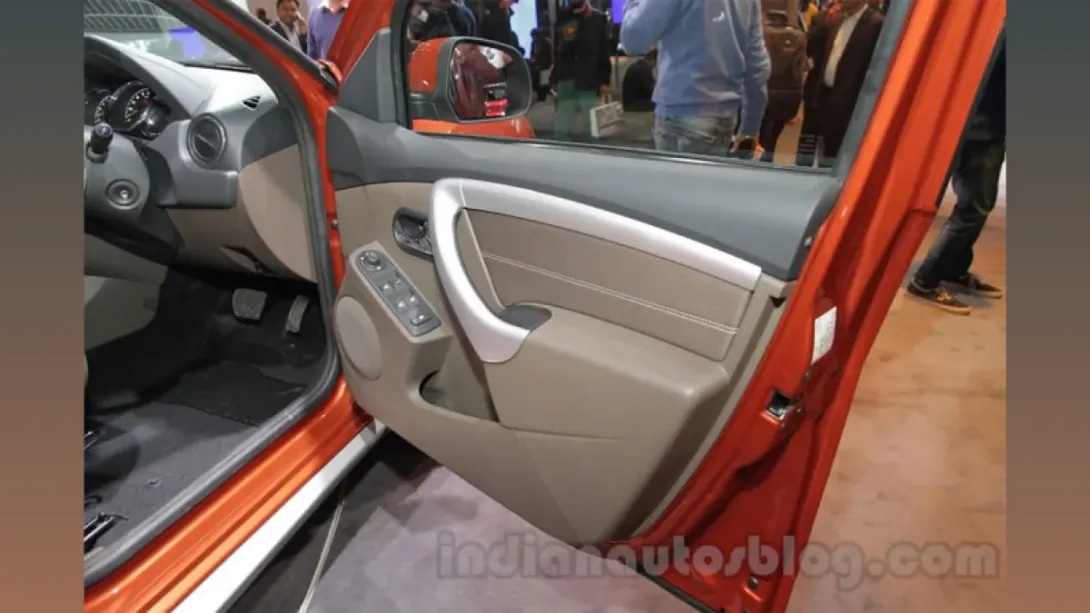
Renault is preparing to reintroduce the Duster in India, signaling a renewed push into one of the world’s fastest-growing SUV markets. The relaunch reflects the French automaker’s intent to regain momentum after losing ground in the highly competitive mid-size SUV segment. Industry analysts view the move as a strategic effort to capitalize on India’s strong consumer demand for utility vehicles, which now dominate passenger vehicle sales. With updated design, modern technology, and improved localization, the new Duster is expected to strengthen Renault’s brand presence and support its long-term growth ambitions in a market increasingly driven by scale, value, and feature-rich offerings.
Strategic Return to a High-Growth Segment
Renault’s decision to bring back the Duster underscores the importance of India in the company’s global growth blueprint. The SUV segment has emerged as the backbone of the Indian passenger vehicle market, accounting for a majority share of new car sales in recent years. By reviving one of its most recognizable nameplates, Renault aims to re-establish relevance in a space now dominated by domestic and Asian automakers.
The original Duster played a pioneering role in popularizing compact SUVs in India. Its rugged styling and practical appeal resonated strongly with consumers seeking a blend of urban comfort and off-road capability. The upcoming relaunch seeks to build on that legacy while adapting to more sophisticated buyer expectations.
Product Evolution and Competitive Positioning
The new-generation Duster is expected to feature substantial upgrades in design, safety, and in-car technology. Industry observers anticipate a more contemporary exterior, enhanced cabin ergonomics, and the integration of advanced infotainment and connectivity features. These improvements are critical in a segment where consumers increasingly prioritize digital interfaces, driver-assistance systems, and premium styling cues.
Renault’s challenge lies in differentiating the Duster from a crowded field that includes established rivals with strong dealer networks and extensive product portfolios. Competitive pricing, localization of components, and after-sales service quality will likely determine the model’s commercial success.
Manufacturing and Localization Focus
A key pillar of Renault’s India strategy is deeper localization. By increasing domestic sourcing and optimizing production efficiency, the company aims to keep costs competitive while protecting margins. Local manufacturing also helps mitigate currency fluctuations and import-related expenses, both of which have influenced pricing strategies across the industry.
This approach aligns with broader trends among global automakers operating in India, where scale and cost discipline are essential for sustainable profitability. A successful Duster relaunch could also create supply chain opportunities for domestic component manufacturers.
Brand Revival and Network Strengthening
Beyond the product itself, the Duster’s return represents an effort to reinvigorate Renault’s brand perception. The company has been working to expand its dealership footprint and enhance customer service standards, recognizing that distribution strength plays a decisive role in market share gains.
Marketing efforts are expected to emphasize the Duster’s heritage while presenting it as a modern, technologically advanced SUV suited for both city driving and long-distance travel. This dual positioning could help Renault appeal to a broad demographic, from young professionals to family buyers.
Market Outlook and Growth Prospects
India’s automotive sector continues to benefit from rising incomes, expanding infrastructure, and shifting consumer preferences toward larger vehicles. SUVs, in particular, are viewed as aspirational purchases that offer practicality and status appeal. This structural demand trend creates a favorable backdrop for Renault’s renewed push.
However, competitive intensity remains high, and consumer expectations are evolving rapidly. Success will depend not only on product strength but also on pricing discipline, financing options, and long-term brand trust.
Conclusion
The Duster’s re-entry marks more than a product launch; it represents Renault’s broader attempt to reposition itself within India’s dynamic automotive landscape. If executed effectively, the strategy could restore growth momentum and reaffirm the company’s commitment to one of its most strategically significant markets.
Comments