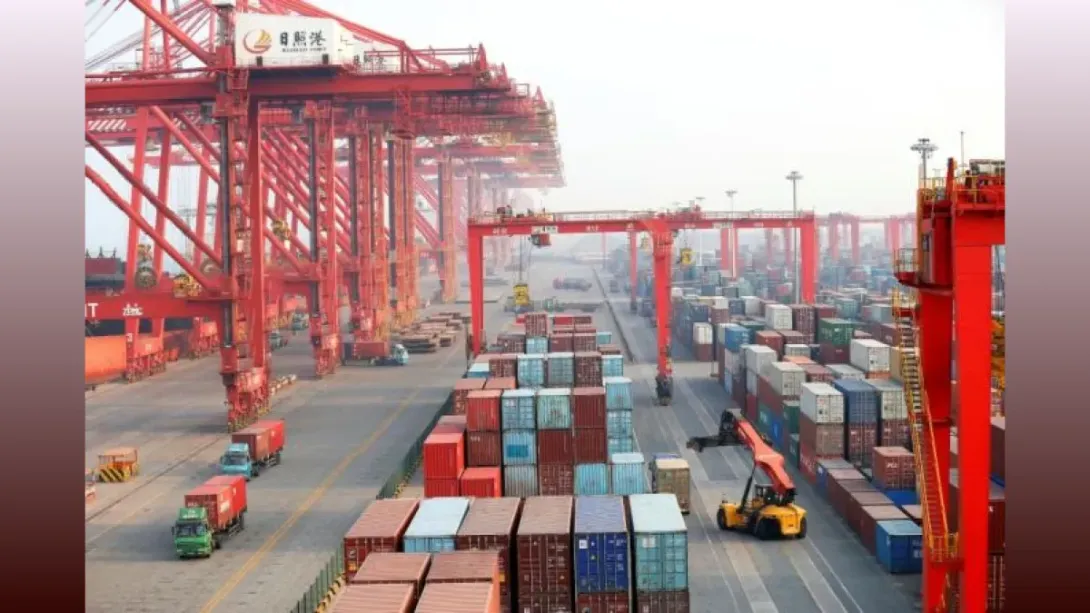
India’s automotive and metal export sectors are facing renewed pressure after Mexico imposed higher tariffs on key imported goods, a move rooted in the country’s evolving trade strategy and efforts to protect its domestic manufacturing base. The revised tariff structure affects several categories where India has traditionally maintained strong export momentum, including automobiles, auto components, steel, and aluminum products. As exporters analyze the financial implications, the sector is bracing for potential cost escalations, reduced margins, and a possible shift in trade flows. The policy shift underscores the growing complexities of global supply chains as nations recalibrate trade priorities.
Mexico’s Policy Shift and Its Ripple Effects
Mexico’s latest tariff adjustments have emerged as a significant development for Indian exporters, particularly those in the automotive and metal industries. The country, which has long served as an attractive export destination due to its strategic location and integration with North American markets, has adjusted import duties with the aim of strengthening domestic manufacturing capabilities.
The sudden increase in tariffs has caught many Indian exporters off guard, especially companies operating on thin margins and long-term supply contracts. The new rates make Indian products relatively more expensive compared with competitors that benefit from preferential trade agreements with Mexico.
Automotive Sector Faces Higher Entry Barriers
India’s automotive industry, which includes passenger vehicles, commercial vehicles, two-wheelers, and a large network of auto component manufacturers, is among the most affected. Mexican import duties on fully built units and critical components have increased, raising the landed cost for Indian products.
Exporters now face a dual challenge: absorbing additional costs or passing them on to buyers—both of which risk eroding competitiveness. For automakers that depend heavily on Mexico as a gateway to North and Central American markets, the tariff revision may force a strategic reassessment of pricing, production schedules, and market priorities.
Suppliers of engines, transmission parts, electrical systems, and metal-based OEM components are expected to feel the immediate strain, with many already reporting concerns about declining order volumes.
Metal Exporters Confront Rising Costs
Indian metal manufacturers—particularly those dealing in steel, aluminum, and alloy-based products—are also confronting the impact of higher import duties. Mexico’s tariff structure, aimed at curbing external supply reliance, is tightening margins for Indian firms that have been exporting substantial volumes to the region.
The increased cost of compliance, along with higher logistical and customs expenses, may reduce India’s attractiveness as a supplier in the short term. Industry bodies warn that if the tariffs remain in place, exporters may need to explore alternative markets or revise pricing strategies to preserve profitability.
Trade Implications and Competitive Landscape
The tariff revision comes at a critical moment, when global supply chains are still adjusting to post-pandemic disruptions, geopolitically driven realignments, and shifting commodity prices. India’s competitors—such as nations in Latin America, Europe, and Asia that benefit from Mexico’s trade agreements—may gain an advantage as their products face fewer tariff-related hurdles.
For Indian exporters, this shift may necessitate deeper market diversification, greater focus on value-added products, and stronger engagement in bilateral trade dialogues. Analysts also suggest that Indian firms might consider joint ventures or local assembly partnerships in Mexico to mitigate duty-related disadvantages.
Looking Ahead: A Moment for Strategic Realignment
While the tariff increase presents immediate challenges, industry experts view the development as an inflection point for India’s export strategy. Companies with exposure to Mexico will likely reevaluate long-term plans, explore new supply chain structures, and invest in efficiency-enhancing technologies to offset rising costs.
The situation also highlights the importance of proactive trade negotiation and broader economic diplomacy. Strengthening ties with Mexico and seeking tariff relief where possible could help soften the blow for India’s exporters.
For now, the sectors affected must navigate a more complex global trade environment—one that demands adaptability, innovation, and sharper competitive positioning.
Comments