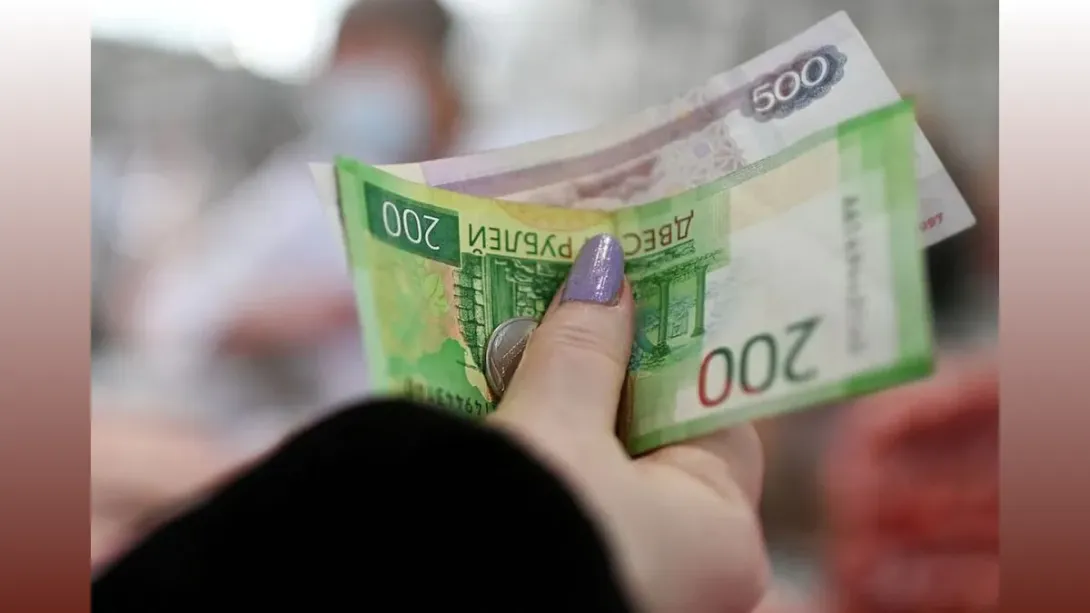
Sber, Russia’s largest lender, has unveiled a rupee-denominated letter of credit designed to streamline payments for Indian suppliers exporting goods to Russian buyers. The new facility enables Indian exporters to receive prompt payment in Indian rupees once shipping documents are submitted, while Russian importers are granted deferred-payment terms that ease their cash-flow cycles. By reducing foreign-exchange exposure and providing a stable settlement framework, the initiative is expected to strengthen trade confidence and broaden commercial ties between the two countries. The move comes amid growing preference for local-currency transactions in global trade, driven by both geopolitical shifts and cost-efficiency considerations.
---
A Strategic Push Toward Local-Currency Trade
Sber’s introduction of a rupee-denominated letter of credit marks a deliberate step toward modernizing cross-border trade settlements. Under this system, Indian suppliers receive rupee payments directly from the bank once they present verified documentation confirming shipment. Russian buyers, meanwhile, can repay the bank according to a pre-agreed deferred schedule, reducing upfront financial pressure and providing greater operational flexibility.
By shifting the settlement currency to the rupee, the mechanism also eases reliance on traditional hard-currency structures, allowing both sides to avoid exchange-rate volatility and potential settlement delays.
---
Benefits for Indian Exporters
The immediate payment feature is particularly valuable for Indian exporters who often face long payment cycles in international commerce. With funds credited upon document submission, companies can maintain healthier working-capital positions, reduce short-term borrowing needs, and plan production schedules with greater certainty.
This instrument also enhances security for exporters. The bank assumes the role of guarantor, reducing counter-party risk and bridging trust gaps that can arise in long-distance transactions.
---
Advantages for Russian Importers
For Russian businesses, the deferred-payment model offers meaningful financial relief, especially when dealing with large or recurring import volumes. They gain access to goods and raw materials without the pressure of immediate payment, enabling smoother inventory planning and operational budgeting.
Additionally, rupee settlement simplifies compliance and minimizes exposure to international sanctions or third-currency payment bottlenecks, ensuring more reliable trade continuity.
---
A Boost for Bilateral Trade Relations
The launch of this instrument aligns with the broader momentum toward strengthening India–Russia commercial ties. As both nations look to diversify settlement frameworks and reduce costs associated with traditional trade finance channels, the rupee LC has the potential to increase the volume of Indian exports to Russia — particularly in sectors such as pharmaceuticals, food products, machinery, textiles and industrial components.
By encouraging partners to transact in local currencies, the mechanism could also contribute to long-term economic resilience for both countries.
---
Mitigating Risk and Enhancing Predictability
The rupee-denominated LC reduces exposure to foreign-exchange swings, a common challenge in traditional international trade. It also brings a higher degree of predictability to settlement cycles, thanks to structured timelines and bank-backed guarantees.
From an operational standpoint, the system ensures thorough documentation, transparent verification, and a well-defined compliance process — all essential for reducing disputes and fostering long-term business relationships.
---
Challenges and Considerations
While the innovation is promising, wider adoption will depend on businesses’ willingness to adjust internal processes, understand LC mechanics, and build familiarity with rupee-based settlements. Regulatory changes, currency-market movements and logistical complexities could still influence uptake.
Nevertheless, Sber’s move signals confidence in the potential of rupee-settled trade and sets the stage for more such instruments in the future.
Comments