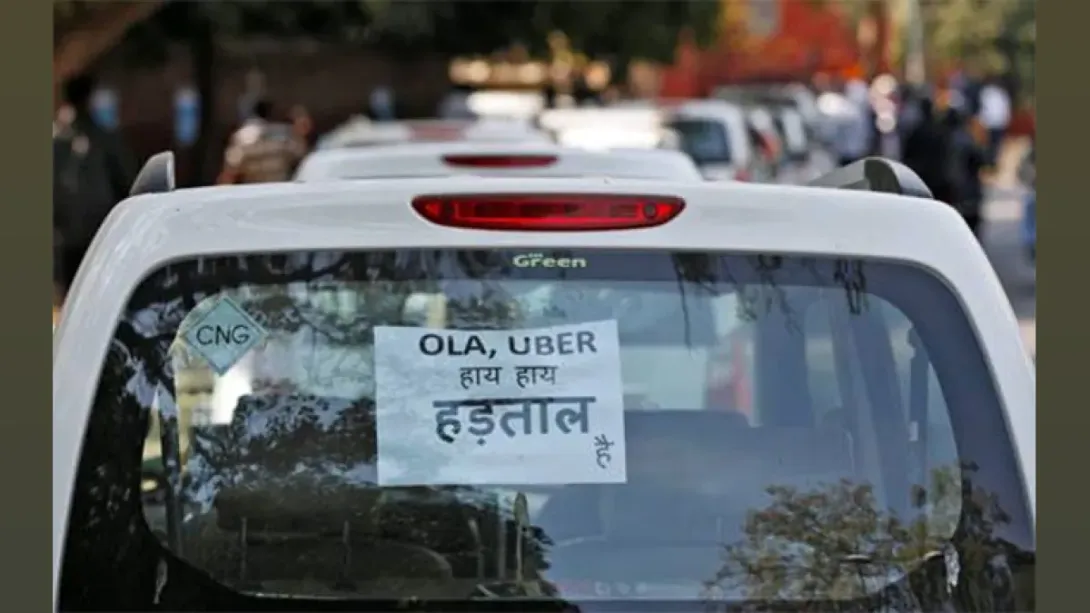
India’s mobility landscape is set for disruption as the government introduces Bharat Taxi, a state-backed ride-hailing platform aimed at improving affordability, transparency, and driver welfare. The initiative seeks to reduce market monopolies, stabilize fare structures, and offer commuters a reliable alternative backed by public infrastructure. With an emphasis on digital governance, data security, and fair labor practices, Bharat Taxi positions itself as a national mobility solution aligned with India’s long-term aspirations for smart transportation systems. Its launch signals a strategic move to balance private-sector innovation with public oversight in one of the country’s most dynamic service industries.
---
A Strategic Intervention in Urban Mobility
The launch of Bharat Taxi marks a significant policy intervention in India’s rapidly expanding ride-hailing economy. Over the past decade, private platforms have transformed commuting habits but have also drawn criticism for fluctuating fares, inconsistent driver incentives, and opaque operational practices. By introducing a government-backed platform, policymakers aim to restore market equilibrium and provide citizens with a service built on transparency and regulatory accountability.
Designed as a multi-city digital mobility network, Bharat Taxi will operate through an app-based interface, offering services to passengers while ensuring compliance with national transport standards. The initiative reflects a broader commitment to integrating technology with public infrastructure to enhance everyday mobility.
---
A Platform Built on Transparency and Fair Pricing
A major promise of Bharat Taxi is fare rationalization. The government intends to replace unpredictable surge pricing with a more consistent, policy-driven fare model. Under the proposed structure, pricing will adhere to parameters set by transport authorities, ensuring passengers pay fair rates while drivers receive predictable earnings.
By shifting from algorithm-driven volatility to regulated pricing practices, Bharat Taxi aims to foster trust among consumers. It also positions itself as a financially responsible alternative for commuters in metropolitan and emerging urban centers.
---
Enhancing Driver Welfare and Market Stability
Driver partners form the backbone of any ride-hailing ecosystem, and Bharat Taxi emphasizes this demographic through structured benefits and clear payment mechanisms. The platform is expected to:
Ensure timely payments directly to driver accounts
Provide transparent commission structures
Extend access to welfare programs under government schemes
Reduce dependency on dynamic, incentive-based earning models
By addressing long-standing driver concerns, the platform may recalibrate the competitive dynamics of the mobility sector.
---
Digital Infrastructure and Data Governance
In an era where data privacy is a key public concern, Bharat Taxi promises heightened security and stronger oversight. The government’s direct involvement means commuter data, riding records, and operational analytics will be governed under Indian regulatory frameworks rather than external corporate policies.
Additionally, integration with digital public infrastructure—such as Aadhaar-enabled verification, UPI payments, and real-time transport databases—could streamline operations and enhance customer trust.
---
Competition and Sector-Wide Implications
The arrival of Bharat Taxi is expected to introduce healthy competition into a field long dominated by private players. While established platforms maintain scale and entrenched consumer bases, the government’s ability to mobilize public resources gives Bharat Taxi a distinct advantage in credibility, regulatory alignment, and nationwide rollout capability.
Industry experts suggest that the initiative could encourage private companies to adopt more transparent pricing, improve driver earnings, and refine customer engagement strategies to remain competitive.
---
A Step Toward India’s Smart Mobility Vision
Bharat Taxi aligns with the government’s broader ambition to build smart, sustainable, and equitable urban transport systems. By leveraging technology and public accountability, the initiative aims to create a mobility network that is not only commercially viable but socially responsible.
If implemented effectively, Bharat Taxi could become a model for integrating governance, technology, and public service into one unified mobility ecosystem—reshaping the way India commutes in the decade ahead.
Comments