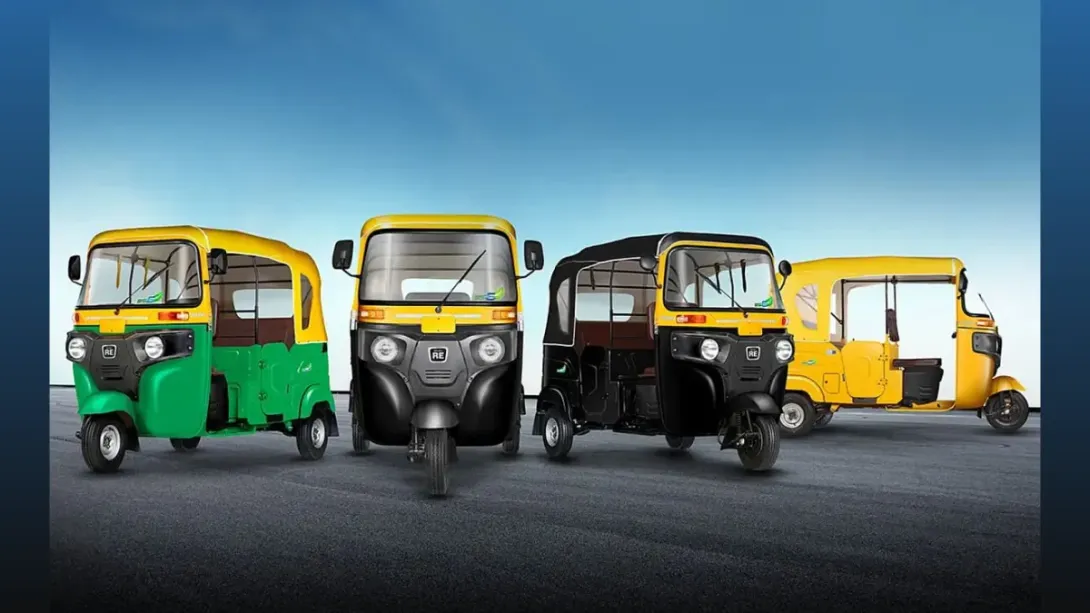
Bajaj Auto is intensifying its presence in India’s fast-growing electric mobility market with the nationwide expansion of its Riki e-rickshaw to 200 cities. The company aims to leverage the surge in demand for efficient, low-cost last-mile transportation while strengthening its sales and service ecosystem across urban and semi-urban regions. The strategic rollout reflects Bajaj Auto’s ambition to secure a stronger foothold in the electric three-wheeler segment, a category that continues to outpace other EV segments in adoption. This expansion is expected to support commercial drivers, improve urban connectivity, and contribute to India’s broader transition toward sustainable transport solutions.
Bajaj Auto Widens E-Mobility Footprint With Riki Rollout
Bajaj Auto has announced a significant expansion plan for its Riki electric rickshaw, targeting its availability in 200 cities across India. The move underscores the company’s commitment to building a robust presence in the electric three-wheeler segment, a space that has seen notable growth driven by rising fuel costs, supportive policies, and increasing demand for affordable commercial mobility solutions.
With Riki, the automaker is focusing on the needs of full-time drivers who rely on predictable operating costs and consistent performance. By widening access to its electric platform, Bajaj Auto aims to bring a more organized and reliable option to a market long dominated by fragmented, unregulated manufacturers.
Meeting Demand for Cost-Efficient Last-Mile Transportation
Electric rickshaws have become a preferred choice for last-mile connectivity due to their low running costs and suitability for densely populated urban corridors. Bajaj Auto’s expansion is driven by the sharp increase in commercial adoption, as drivers look for alternatives that offer a balance of economic viability and environmental compliance.
The Riki e-rickshaw is positioned to address these needs by offering lower maintenance requirements and reduced fuel expenses compared with conventional three-wheelers. This cost advantage is increasingly important for operators whose livelihood depends on maximizing daily earnings amid fluctuating fuel prices.
Strengthened Sales and Service Infrastructure
A key element of Bajaj Auto’s expansion strategy is the development of a comprehensive sales and after-sales network. The company is deploying trained technicians, service centers, and spare-part hubs across its new markets to ensure availability and quick turnaround times for maintenance.
Industry analysts note that the presence of a dependable service ecosystem is critical for commercial EV adoption. Bajaj Auto’s established dealership network and long-standing brand reputation give it a substantial competitive edge over smaller manufacturers that often struggle to provide consistent support.
Supporting India’s Transition to Sustainable Mobility
The rollout aligns with India’s broader push toward cleaner urban mobility, especially as cities look to reduce emissions and adopt more eco-friendly public transport solutions. Electric three-wheelers have emerged as one of the most effective components in this transition, given their high utilization and role in daily urban commuting.
By expanding the presence of the Riki e-rickshaw to 200 cities, Bajaj Auto is positioning itself as a long-term contributor to India’s sustainability agenda. The initiative reinforces the company’s strategic pivot toward electrification while highlighting the commercial viability of EV solutions in the country’s evolving mobility landscape.
Comments