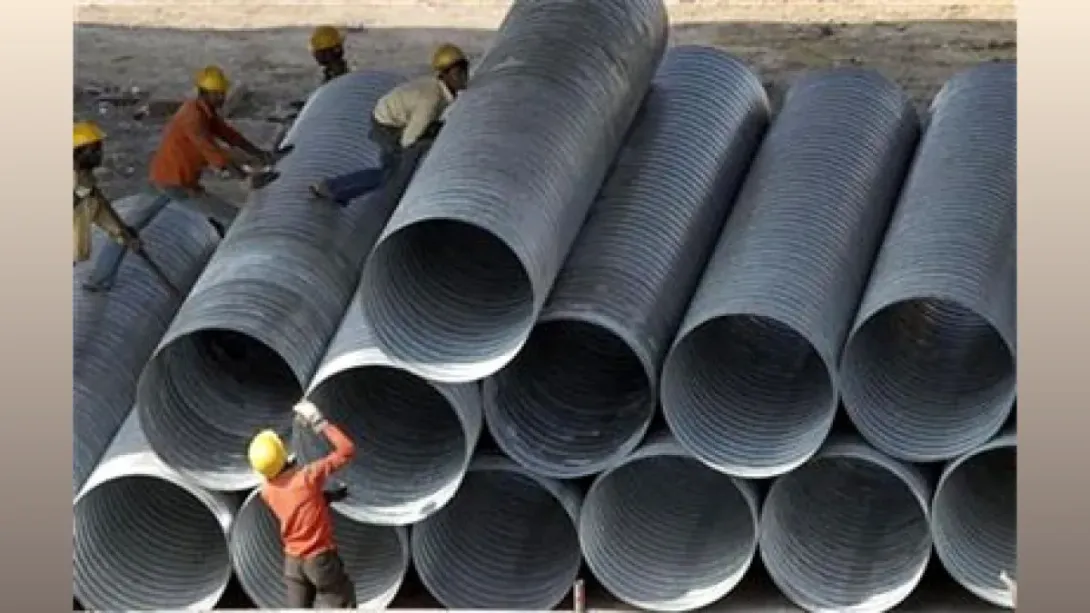
In a decisive move to safeguard the domestic steel industry, the Indian government has imposed anti-dumping duties on certain types of steel imports from Vietnam. The measure, recommended by the Directorate General of Trade Remedies (DGTR), aims to counter the influx of low-cost steel products that were undercutting Indian manufacturers and distorting market competition. The imposition of these duties aligns with India’s broader trade policy objectives of promoting fair competition, ensuring manufacturing sustainability, and reducing reliance on subsidized imports that threaten local producers’ profitability and long-term viability.
Rationale Behind the Decision
The DGTR, under the Ministry of Commerce and Industry, conducted a detailed investigation following complaints from domestic producers alleging unfair pricing and injury caused by steel imports from Vietnam. The probe revealed that certain flat-rolled steel products originating from or exported by Vietnam were being sold in India below their normal value, constituting dumping under World Trade Organization (WTO) standards.
The government’s decision to impose anti-dumping duties was made to level the playing field and restore market equilibrium. This policy intervention seeks to shield Indian manufacturers from predatory pricing practices while maintaining the integrity of the domestic steel market.
Officials stated that the move is not protectionist in nature but rather a corrective trade measure designed to prevent unfair competition and stabilize prices within the local steel ecosystem.
Impact on the Domestic Steel Sector
The Indian steel industry has faced mounting pressure in recent quarters due to rising imports and fluctuating global steel prices. Low-cost Vietnamese products, particularly galvanized and pre-painted steel, had eroded the market share of local producers by offering significantly cheaper alternatives.
The imposition of anti-dumping duties is expected to revive domestic production capacity utilization, especially for major players such as JSW Steel, Tata Steel, and Steel Authority of India Ltd (SAIL). Industry analysts believe that this decision will enhance competitiveness, encourage new investments in capacity expansion, and strengthen pricing discipline across the value chain.
Moreover, the move could lead to moderate price stabilization in the domestic market, benefiting both upstream producers and ancillary industries such as construction, infrastructure, and automobile manufacturing.
Vietnam’s Export Strategy and Regional Trade Context
Vietnam has rapidly emerged as a key steel exporter in the Asia-Pacific region, benefiting from strong domestic manufacturing capacity, competitive pricing, and trade agreements with multiple economies. Over the past few years, Indian importers have increasingly turned to Vietnamese suppliers due to their cost advantage and shorter shipping cycles.
However, trade experts note that while Vietnam’s export growth reflects its manufacturing strength, the country’s producers often rely on subsidies and low-cost inputs, which may distort competition in importing countries. India’s anti-dumping action, therefore, is consistent with global practices—similar measures have been adopted by the United States, the European Union, and Indonesia in recent years against unfairly priced steel imports.
Balancing Trade and Industrial Priorities
While the duty aims to protect domestic producers, policymakers are also mindful of the potential inflationary effect on steel-consuming sectors. India’s construction, real estate, and automotive industries are among the largest consumers of flat steel, and any sharp rise in prices could affect project costs.
To mitigate this, the government is expected to monitor the impact closely and may adjust duty structures if market distortions arise. The Ministry of Commerce has emphasized that anti-dumping measures will remain time-bound and evidence-based, ensuring they do not hinder fair trade or economic growth.
Industry and Market Outlook
Industry stakeholders have welcomed the move, describing it as a long-awaited corrective step to ensure the sustainability of the Indian steel industry. “The imposition of anti-dumping duties will restore competitive balance and prevent market manipulation by foreign exporters,” said a senior executive from a leading steel manufacturing firm.
Experts forecast that the duty could encourage domestic producers to boost exports, particularly to Africa, the Middle East, and Latin America, where Indian steel enjoys a reputation for quality and reliability. With global steel demand projected to rise modestly over the next fiscal year, India’s strengthened domestic base may also position it as a net exporter in certain categories.
Conclusion: Strengthening India’s Industrial Resilience
India’s decision to impose anti-dumping duties on Vietnamese steel reflects a strategic alignment of trade policy with industrial self-reliance. By addressing unfair trade practices while maintaining transparency under WTO norms, the country is signaling its intent to balance global integration with domestic protection.
As India continues to invest heavily in infrastructure and manufacturing under the “Make in India” initiative, ensuring the health of its steel sector will remain pivotal. This policy measure, while defensive in nature, underscores India’s evolving approach to global trade—assertive, data-driven, and deeply rooted in economic pragmatism.
Comments