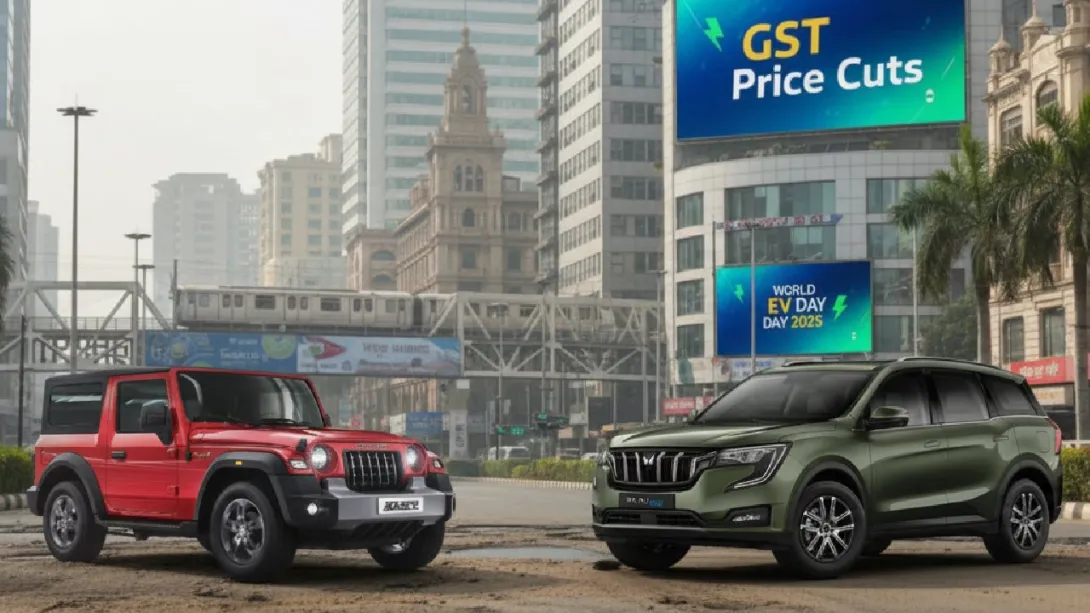
Mahindra & Mahindra Ltd. (M&M), one of India’s leading automakers, finds itself at a critical juncture as it navigates robust earnings, supportive tax reforms, and shifting consumer trends against the backdrop of new fuel mandates. The company reported a double-digit surge in quarterly profit, boosted by strong SUV sales and market share gains. The recent implementation of GST 2.0 has allowed Mahindra to cut vehicle prices significantly, enhancing its competitive edge. Yet, challenges loom in the form of performance trade-offs from E20 fuel adoption and evolving customer preferences, particularly as once-popular models show signs of losing momentum in a crowded SUV market.
Earnings and Market Share Growth
Mahindra posted a consolidated net profit of Rs. 4,083 crore in the first quarter of FY26, a 24 percent increase year on year. Revenue rose by 22 percent, supported primarily by its SUV portfolio, which recorded a 17 percent jump in sales. The company’s SUV revenue market share climbed to 27.3 percent, reflecting strong consumer appetite for its flagship models. Farm equipment also contributed to growth, while allied businesses remained steady. However, management has cautioned that margin discipline will be vital given rising input costs.
GST 2.0 Reform: Pricing Advantage
The nationwide rollout of GST 2.0 provided significant tailwinds for automakers, and Mahindra emerged among the key beneficiaries. Price reductions across its popular models, including the Thar, Scorpio, and XUV700, reached as high as Rs. 1.56 lakh. These adjustments not only improved affordability but also positioned Mahindra favorably ahead of the festive season. Industry analysts believe this tax-led price advantage could sustain demand and help Mahindra defend its market leadership in the SUV segment.
E20 Fuel Rollout and Vehicle Performance
India’s mandate for 20 percent ethanol-blended fuel (E20) is reshaping the auto industry, and Mahindra has confirmed that all its vehicles are compliant. The company has assured customers that warranty claims related to E20 usage will be honored. However, executives have acknowledged that certain older models may experience a slight dip in fuel efficiency and acceleration. While environmentally aligned, the policy shift introduces a delicate balance between regulatory compliance and consumer satisfaction—one that Mahindra must manage carefully to preserve brand loyalty.
Shifting Model Dynamics and Competition
Despite overall growth, some of Mahindra’s established models are facing headwinds. The Scorpio-N, a longtime bestseller, slipped out of India’s top-ten car sales list for the first time in August 2025. Similarly, the Scorpio Classic saw reduced traction, highlighting how competitive intensity in the SUV market is reshaping buyer preferences. With rivals rolling out feature-rich vehicles at competitive prices, Mahindra will need to accelerate product refresh cycles and strengthen its EV roadmap to maintain relevance.
Strategic Outlook
Mahindra’s trajectory illustrates the dual nature of opportunity and challenge. Its financial strength, boosted by GST reforms and SUV demand, gives it a solid foundation to expand. Yet, the company must contend with evolving consumer behavior, regulatory shifts, and intensifying competition. The strategic emphasis in the near term will likely be on innovation, supply-chain resilience, and the rollout of cleaner, future-ready mobility solutions. For investors and industry observers, Mahindra’s ability to balance profitability with adaptability will define its position in India’s rapidly transforming automotive market.
Comments