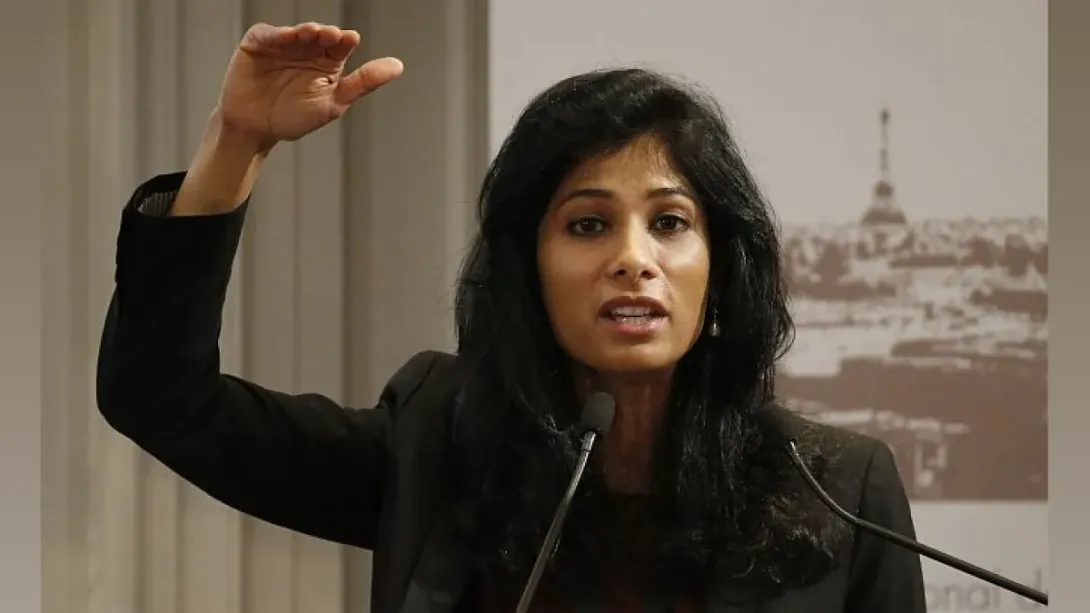
India is poised to become the world’s third-largest economy in the coming years, according to insights shared by Union Minister Ashwini Vaishnaw and former IMF Chief Economist Gita Gopinath. Highlighting robust GDP growth, demographic advantages, and strategic policy reforms, both leaders emphasized that India’s economic trajectory is driven by digitalization, infrastructure development, and manufacturing expansion. While challenges like inflation, global uncertainties, and fiscal sustainability persist, India’s structural strengths—including a young workforce, burgeoning domestic consumption, and global integration—position it to accelerate its rise in the global economic hierarchy, attracting investments and reinforcing its influence in international markets.
Economic Growth Trajectory
India’s growth story has gained momentum, underpinned by strong domestic demand and resilient macroeconomic policies. Minister Vaishnaw noted that sustained investment in infrastructure and technology has amplified productivity and competitiveness. Coupled with a young, skilled labor force, India’s growth is projected to outpace many advanced economies, positioning it firmly as a global economic powerhouse. Analysts suggest that if current trends continue, India could surpass Germany and Japan to become the world’s third-largest economy within the next decade.
Drivers of India’s Economic Rise
Several factors contribute to this optimistic outlook:
Demographics: India’s workforce, expected to remain among the youngest globally, offers a long-term competitive advantage.
Digitalization: Investments in digital infrastructure have facilitated financial inclusion, e-governance, and enhanced efficiency in business processes.
Manufacturing and Exports: Government initiatives like “Make in India” are boosting domestic manufacturing, export diversification, and global competitiveness.
Policy Reforms: Strategic reforms in taxation, labor laws, and ease of doing business are fostering a conducive environment for private sector investment.
Challenges and Considerations
While the trajectory is promising, experts caution that India must navigate challenges carefully:
Inflationary pressures could affect purchasing power and domestic demand.
Global economic volatility, including geopolitical tensions, may impact trade and capital flows.
Fiscal discipline is essential to ensure sustainable growth without creating long-term debt vulnerabilities.
Global Implications
India’s ascension as the world’s third-largest economy carries significant geopolitical and economic implications. Increased economic clout will likely strengthen India’s role in international forums, attract foreign investment, and enhance partnerships with both emerging and advanced economies. Moreover, India’s growth may reshape global supply chains, particularly in technology, pharmaceuticals, and manufacturing sectors.
Conclusion
With structural reforms, demographic advantages, and strong policy execution, India is on a trajectory to reshape the global economic order. While challenges remain, strategic governance, sustained investment, and innovation-led growth could solidify India’s position among the world’s leading economies, influencing global markets and geopolitics in the decades ahead.
Comments