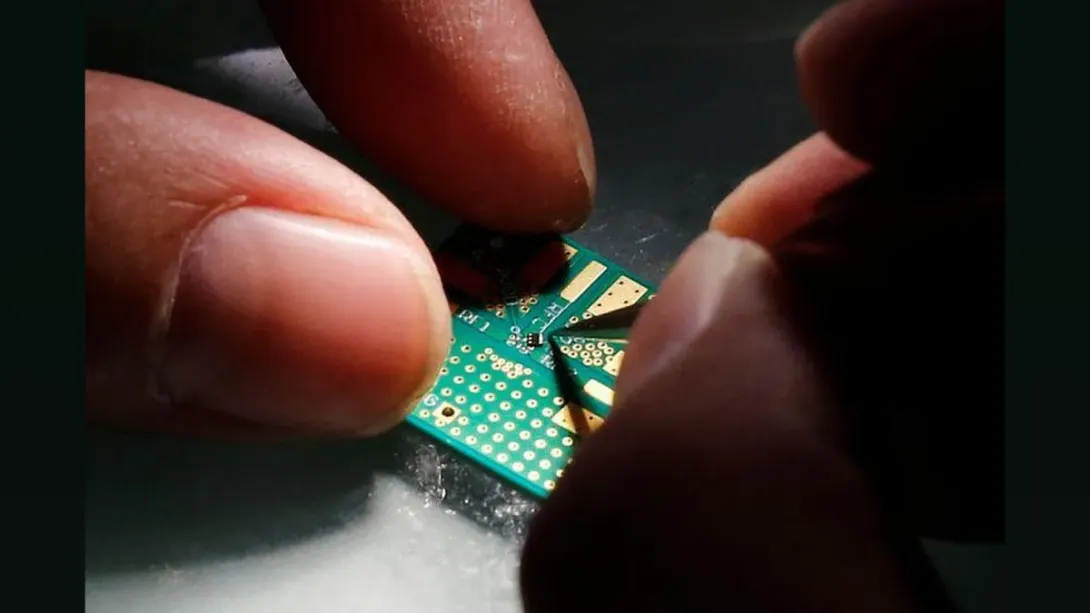
India’s push to build a domestic semiconductor ecosystem gathered momentum as Prime Minister Narendra Modi reiterated the strategic importance of made-in-India chips. Positioning semiconductors as the foundation of modern economic and technological power, the government has framed self-reliance in chip manufacturing as vital to growth, security, and supply-chain resilience. The renewed focus reflects lessons from global shortages and rising geopolitical competition over critical technologies. With demand surging across electronics, automobiles, and digital infrastructure, India’s semiconductor strategy marks a decisive step toward reducing import dependence and strengthening industrial sovereignty.
Semiconductors as a Strategic Imperative
Once a behind-the-scenes component, semiconductors have become central to economic competitiveness and national security. From smartphones and data centers to electric vehicles and defense systems, chips now underpin nearly every high-growth sector. Prime Minister Modi has emphasized that countries lacking domestic chip capabilities remain exposed to external disruptions and strategic vulnerabilities.
India’s reliance on imported semiconductors has long been recognized as a structural weakness. The current policy thrust signals a clear intent to address that gap through long-term capacity building.
Government-Led Push for Indigenous Manufacturing
The government has intensified efforts to establish a full-fledged semiconductor ecosystem, spanning fabrication, assembly, testing, and packaging. Policy support includes financial incentives, infrastructure facilitation, and streamlined approvals aimed at attracting both global technology leaders and domestic manufacturers.
By lowering entry barriers in a capital-intensive industry, policymakers are seeking to create conditions where India can compete in a sector traditionally dominated by a handful of countries.
Economic and Industrial Impact
A domestic chip industry has the potential to generate significant economic spillovers. Beyond reducing import bills, it can strengthen manufacturing supply chains, create high-skilled jobs, and support downstream industries such as electronics, automotive, and telecommunications.
Analysts note that semiconductors could act as a force multiplier for India’s broader manufacturing ambitions, helping shift the economy up the value chain and improving export competitiveness over time.
Geopolitical and Supply-Chain Considerations
Global semiconductor supply chains have become increasingly fragmented as nations seek to localize production and reduce strategic risks. India’s emphasis on self-reliance aligns with this global recalibration, positioning the country as a potential alternative manufacturing destination in a diversifying chip ecosystem.
A credible domestic base could also enhance India’s standing in technology partnerships and international trade negotiations.
Challenges and the Road Ahead
Despite strong political backing, building a semiconductor industry from the ground up remains a complex and long-term endeavor. Fabrication facilities require advanced technology, reliable infrastructure, and a deep pool of specialized talent. Execution discipline and policy continuity will be critical to translating ambition into operational success.
Industry experts caution that progress will be incremental, but stress that sustained commitment can yield transformative results.
A Long-Term Vision for Technological Sovereignty
The focus on made-in-India chips reflects a broader vision of technological self-sufficiency—one in which India evolves from a large consumer of advanced technology into a meaningful producer. While outcomes will take years to materialize, the renewed emphasis from the country’s leadership sends a clear signal to investors and industry alike.
If executed effectively, India’s semiconductor push could reshape its role in the global technology landscape and anchor the next phase of industrial growth.
Comments