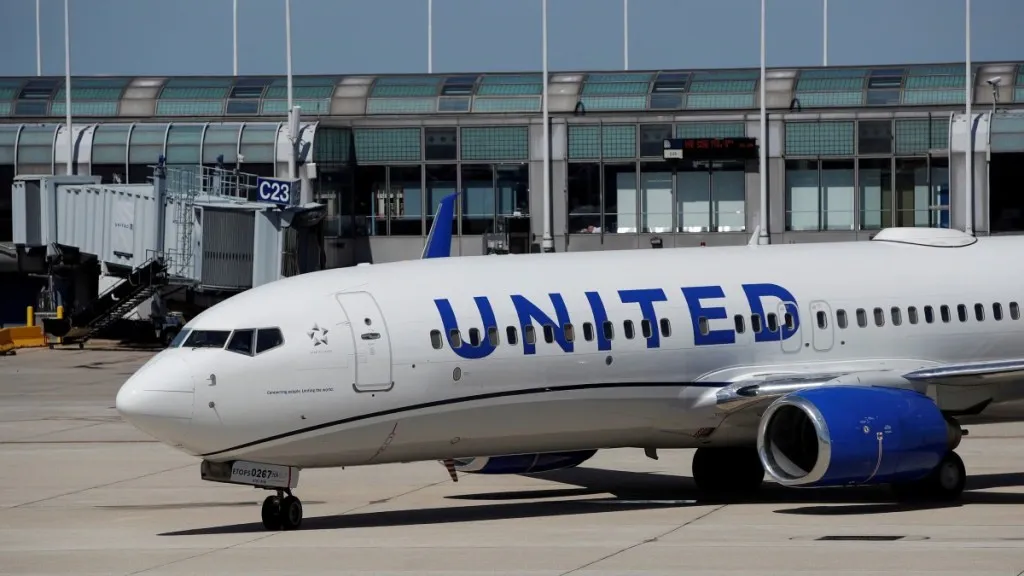
A United Airlines flight was safely diverted to Salt Lake City International Airport after a passenger aircraft experienced a crack in its cockpit windshield mid-flight, prompting immediate precautionary measures. All passengers and crew remained unharmed, and emergency protocols were executed efficiently. Aviation experts highlight that windshield cracks, though rare, can pose serious safety risks, necessitating rapid decision-making and adherence to operational safety protocols. The airline emphasized its commitment to passenger safety and maintenance standards. The incident underscores the importance of robust aviation safety systems, crew training, and rapid response procedures in mitigating in-flight emergencies.
Incident Overview
The flight, operating a domestic route, reported a structural compromise in the cockpit windshield approximately midway through its journey. The pilot promptly informed air traffic control and initiated a diversion to the nearest suitable airport, Salt Lake City International, prioritizing passenger and crew safety.
Passengers described the situation as tense but orderly, with cabin crew providing clear instructions and reassurance. No injuries or medical emergencies were reported, highlighting the effectiveness of emergency preparedness.
Airline Response and Safety Protocols
United Airlines issued a statement confirming the safe diversion and landing. The airline emphasized that all standard safety protocols were followed and that maintenance crews would thoroughly inspect the aircraft before returning it to service.
Experts note that modern commercial aircraft are engineered with redundant systems, including multiple layers of cockpit windshield integrity, ensuring that minor structural anomalies do not immediately compromise flight safety.
Technical Insights
Cracks in cockpit windshields, while uncommon, can arise from thermal stress, material fatigue, or foreign object impact. Aviation authorities classify such incidents as serious, requiring immediate assessment and precautionary landings.
Aircraft are equipped with dual-pane windshields and pressure-resistant designs to maintain cabin integrity even if one layer is compromised. Pilots are trained extensively to manage such situations, including rapid communication with air traffic control and executing controlled diversions.
Impact on Passengers and Operations
The diversion led to minor delays in the airline’s schedule, but passenger safety remained the paramount concern. Airlines generally prioritize risk mitigation over operational convenience, and the incident highlights the critical role of crew training and emergency protocols in ensuring minimal disruption.
Passengers commended the crew for their professionalism, clear communication, and calm handling of the situation, reflecting industry standards in crisis management.
Regulatory and Industry Perspective
The Federal Aviation Administration (FAA) and airline safety regulators classify windshield incidents as aircraft structural safety events requiring thorough investigation. Aircraft maintenance logs, component inspections, and potential manufacturer reviews will be conducted to identify the root cause and prevent recurrence.
Industry analysts note that such events, though rare, serve as reminders of the stringent safety oversight inherent in commercial aviation, reinforcing confidence in airline operations and passenger protection measures.
Conclusion
The United Airlines flight diversion underscores the effectiveness of aviation safety systems, emergency protocols, and crew preparedness. Despite the potential risk posed by a cracked cockpit windshield, the rapid and professional response ensured safe landing, zero injuries, and minimal operational disruption. Aviation experts emphasize that such incidents, while uncommon, reinforce the importance of continuous monitoring, maintenance, and training to uphold the highest standards of passenger safety.
Comments