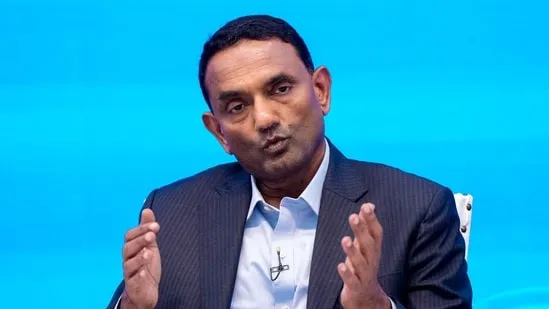
The recent disclosure of a Rs. 26 crore annual compensation package for the CEO of Tata Consultancy Services (TCS) has sparked a wave of public debate, especially in light of the company’s decision to lay off 12,000 employees. The contrasting headlines—record executive pay versus large-scale job cuts—have intensified scrutiny around corporate governance, income disparity, and ethical leadership within India's IT sector. As the industry navigates macroeconomic pressures and evolving business models, the conversation is now shifting from profitability to purpose, with stakeholders questioning how companies balance executive reward with broader responsibility.
---
Executive Compensation in the Spotlight
TCS, India’s largest software services exporter, has found itself at the center of controversy following the disclosure of its CEO's total compensation amounting to Rs. 26 crore for the financial year. The remuneration package—comprising fixed salary, performance-linked incentives, stock options, and other benefits—has reignited debate on executive pay structures, particularly in an era of heightened cost discipline.
While high CEO compensation is not unusual in global corporate circles, what sets this case apart is the juxtaposition of the payout with recent workforce reductions. For many, the message it sends appears discordant with the challenges faced by thousands of employees who are now out of work.
---
Layoffs Underscore Industry Headwinds
TCS confirmed the departure of approximately 12,000 employees during the fiscal year, citing evolving client demands, automation-led restructuring, and a strategic shift towards higher-margin digital services. The layoffs, though framed as part of broader optimization efforts, have stirred concern amid India’s still-recovering job market and slowing IT hiring trends.
This realignment reflects a global trend in the technology and outsourcing industries, where firms are reevaluating headcount to protect margins and adapt to shifting project pipelines. However, the scale of the layoffs, paired with robust top-level payouts, has intensified public scrutiny over decision-making at the leadership level.
---
Balancing Profit and People
The juxtaposition of layoffs and high executive remuneration touches on a deeper ethical question: how do corporations balance profitability with responsibility?
For critics, the Rs. 26 crore paycheck signals a widening gap between corporate leadership and workforce realities. Proponents, however, argue that executive compensation reflects the complexity of leading a multinational with hundreds of thousands of employees and billions in revenue.
Still, the broader optics are hard to ignore. Shareholders and policymakers are increasingly paying attention to environmental, social, and governance (ESG) frameworks, where employee well-being is a key pillar. In this context, TCS’s leadership may face mounting pressure to justify such pay scales not only in financial terms but also in human capital stewardship.
---
Investor and Market Reaction
So far, institutional investors have not publicly voiced discontent, and TCS stock performance remains relatively stable. However, reputational risk is harder to quantify and may weigh on the company’s employer brand and long-term talent acquisition efforts.
Market analysts note that while cost optimization is necessary, the communication strategy around such moves is critical. Transparent leadership and empathetic messaging often determine how decisions are perceived both inside and outside the organization.
---
Shaping the Narrative Ahead
TCS is not alone in facing this dilemma. Across the corporate landscape, firms are under pressure to articulate a vision that integrates financial discipline with humane leadership. Executive compensation, once seen purely as a board-level matter, is now part of the public discourse on fairness, accountability, and long-term sustainability.
As India’s IT sector matures, its leaders must also evolve—not only as stewards of capital but as custodians of trust. The current debate over CEO compensation and layoffs at TCS may well be a litmus test for how Indian corporates are judged in a more socially conscious and transparent era.
Comments