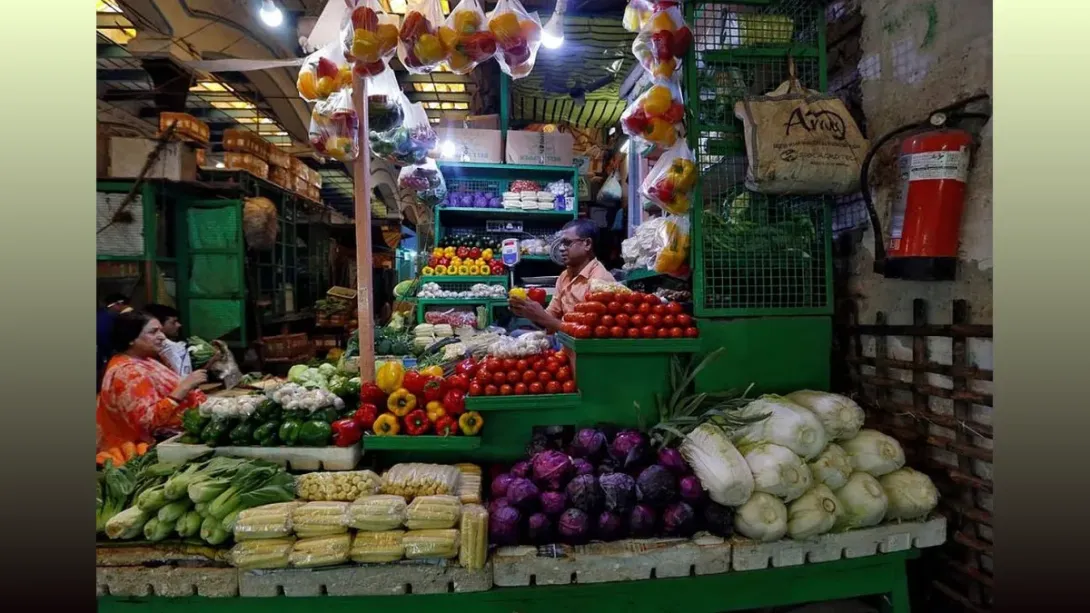
Retail inflation in India recorded a moderate rise to 2.07% in August, reflecting a gradual uptick in consumer prices across food and non-food segments. While inflation remains well below the Reserve Bank of India’s upper tolerance limit, analysts note emerging price pressures in key categories such as vegetables, pulses, and fuel. Core inflation, which excludes volatile items like food and fuel, remained relatively stable, indicating underlying price dynamics are contained. The data suggests a cautiously optimistic environment for policymakers, balancing economic growth with inflation control, even as global commodity prices and domestic demand patterns continue to influence price trends.
---
Inflation Trends and Drivers
August’s retail inflation increase to 2.07% represents a slight acceleration from July, highlighting rising consumer costs across essential goods. Food prices contributed significantly to the uptick, with vegetables, pulses, and edible oils recording noticeable gains. Fuel and energy prices also exerted upward pressure, though the impact was partially offset by softening prices in certain processed food items.
Economists attribute the moderate rise in inflation to a combination of domestic supply fluctuations and global commodity market trends. The current level remains well below the RBI’s tolerance band of 2–6%, offering some leeway for monetary policy decisions.
---
Core Inflation Signals Stability
Core inflation, which excludes volatile food and fuel components, continued to display relative stability, signaling that underlying inflationary pressures remain contained. This trend suggests that, despite short-term fluctuations in food and energy prices, the broader price environment is not experiencing runaway inflation. Analysts consider this stability a positive indicator for consumer purchasing power and household budgets.
---
Implications for Policymakers and Consumers
The modest rise in retail inflation provides insight into the delicate balancing act faced by the Reserve Bank of India. Policymakers must weigh growth-supportive measures against inflation containment strategies. For consumers, the increase in essential commodity prices could marginally affect household expenditures, particularly for staples such as vegetables and pulses.
With global commodity prices and domestic demand continuing to influence inflationary trends, experts recommend close monitoring of price dynamics in the coming months. The August data reinforces the importance of targeted interventions to stabilize supply chains and mitigate undue inflationary pressures.
Comments