Adani Power Ltd. has announced plans to develop a 2,400 MW coal-based thermal power plant in Bihar, marking a significant stride in the state’s energy security and industrial growth. With an estimated investment running into several thousand crores, the project will be executed in phases and is expected to create thousands of jobs during construction and operation. This initiative aligns with India’s broader strategy to ensure regional power parity and strengthen electricity infrastructure in the eastern states. The plant will not only bridge Bihar’s power deficit but also support national objectives of grid stability and industrialization.
---
Strategic Investment to Address Regional Power Deficit
Eastern India, particularly Bihar, has historically grappled with erratic electricity supply and inadequate infrastructure. Adani Power’s decision to set up a 2,400 MW thermal power plant in the region is a calculated response to this gap, aimed at addressing persistent energy shortages and supporting the state’s growing demand.
The new plant is expected to be located in Banka district, a region strategically positioned to serve both local and inter-state power requirements. Given Bihar’s rapid urbanization and industrial growth, the need for dependable power has never been more critical. This development is poised to play a transformative role in enabling energy-intensive industries, enhancing rural electrification, and boosting socio-economic indicators.
---
Scale and Scope of the Project
The proposed power station will be constructed in multiple phases, with each phase contributing 800 MW of capacity. Upon completion, the project will add 2,400 MW to the national grid. The facility will rely on advanced supercritical technology to ensure higher efficiency and lower emissions compared to older thermal plants.
This large-scale investment by Adani Power underscores the company’s long-term vision and commitment to energy infrastructure development in underserved regions. It is also aligned with India’s larger goal of achieving reliable, affordable, and sustainable electricity access across the country.
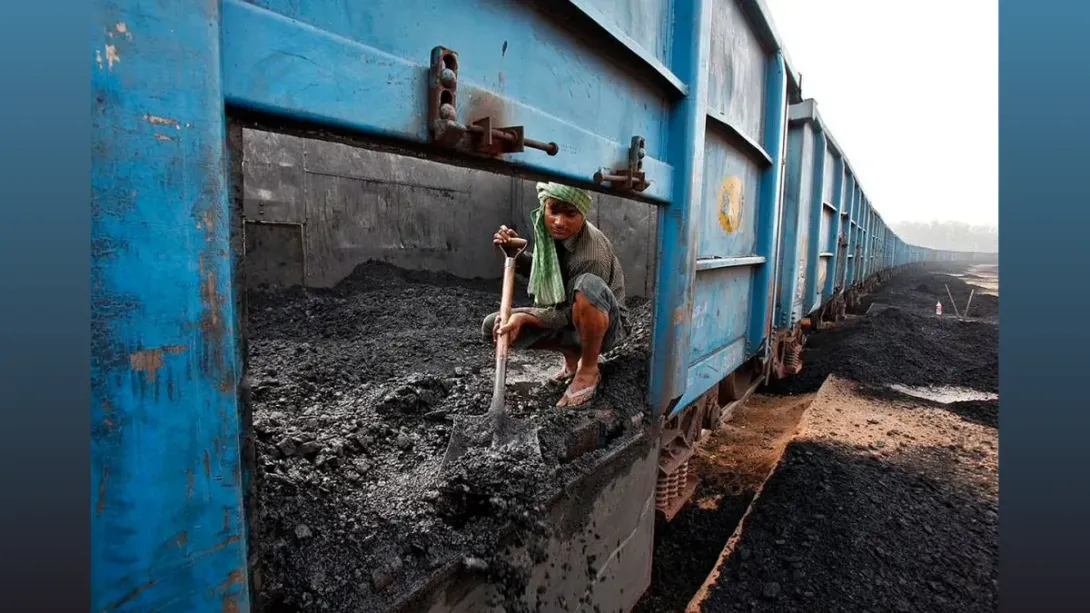
The coal required for this plant is expected to be sourced through long-term linkage agreements, ensuring fuel security and operational stability. Water requirements, environmental clearances, and logistical planning are reportedly in advanced stages, indicating that groundwork for execution is already underway.
---
Economic and Employment Implications
The project’s impact extends well beyond electricity generation. It is projected to generate substantial employment during the construction phase, potentially creating thousands of direct and indirect jobs. Once operational, the plant will require skilled and semi-skilled manpower, thereby boosting local incomes and livelihoods.
Additionally, the presence of a major thermal plant can catalyze the development of ancillary industries, such as logistics, maintenance, and coal handling. Real estate activity, infrastructure upgrades, and service sector growth often follow in the wake of such mega-projects, contributing to regional economic diversification.
For Bihar, traditionally considered a power-deficit state, this investment sends a strong signal to industrial investors and infrastructure planners that the region is ready for large-scale economic transformation.
---
Policy Support and Regulatory Framework
Adani Power’s move comes in the backdrop of supportive policy measures from both state and central governments. India’s power sector reforms, which include coal linkage rationalization, transmission strengthening, and easing of land acquisition norms, have paved the way for private sector participation in large infrastructure ventures.
The project is also expected to benefit from the "Make in India" and "Power for All" initiatives, both of which emphasize domestic infrastructure capacity building and last-mile electricity access. Furthermore, with India’s renewable push gathering momentum, efficient thermal power plants like this one are expected to provide crucial base-load support to ensure grid stability.
---
Balancing Sustainability and Energy Security
While coal-based power continues to attract scrutiny for its environmental impact, proponents argue that India's current energy mix still requires conventional sources to complement its growing renewable capacity. Adani’s use of supercritical technology and adherence to pollution control norms will likely help mitigate environmental concerns to some extent.
The plant’s design includes advanced emission control systems, water-efficient cooling mechanisms, and fly ash management infrastructure—factors that indicate a conscious attempt to balance ecological responsibility with energy demands.
As India transitions towards cleaner energy, projects like this serve as interim solutions that ensure energy reliability without compromising on long-term sustainability goals.
---
Conclusion: A Defining Step in Bihar’s Energy Journey
Adani Power’s decision to invest in a 2,400 MW thermal power plant in Bihar represents a landmark development for both the company and the region. It symbolizes confidence in the state’s economic future and underscores the role of public-private collaboration in addressing India’s power challenges.
As the project moves forward, it promises to deliver not just megawatts, but meaningful socio-economic progress, regional industrialization, and greater energy security for millions. In a nation as vast and diverse as India, such targeted infrastructure interventions are essential for balanced growth and inclusive development.
Comments