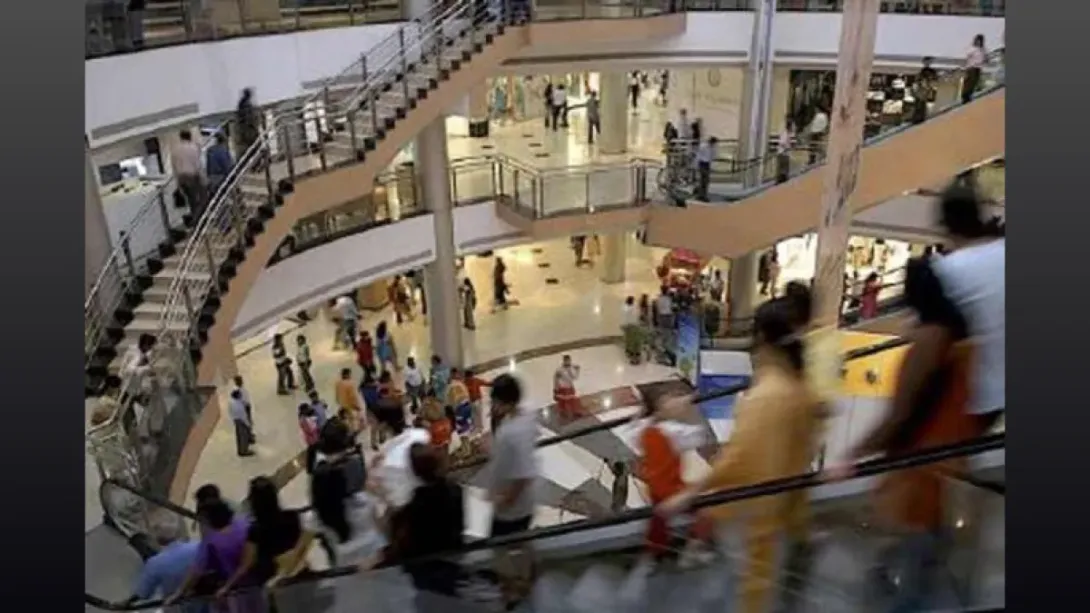
Nexus Select Trust, a retail-focused real estate investment trust sponsored by Blackstone, has announced the acquisition of a 50 percent stake in an under-construction mall project in the Mumbai Metropolitan Region for Rs. 434 crore. The investment marks a strategic expansion into Dombivli, a fast-growing suburban market within India’s financial capital. The development, to be operated in partnership with Runwal Enterprises, reflects the REIT’s confidence in organized retail growth and consumption-driven real estate. The transaction underscores institutional appetite for high-quality retail assets amid rising urbanization and sustained demand for premium commercial infrastructure.
Strategic Expansion into Mumbai Metropolitan Region
Nexus Select Trust has entered into an agreement to acquire a 50 percent stake in the upcoming Nexus Runwal Gardens Mall in Dombivli, part of the Mumbai Metropolitan Region. The transaction, valued at Rs. 434 crore, aligns with the REIT’s long-term strategy of strengthening its retail asset portfolio in high-growth urban clusters.
The mall project is currently under construction and will be developed in partnership with Runwal Enterprises. Upon completion, the asset is expected to cater to the rapidly expanding residential population in the Dombivli micro-market.
Institutional Capital Targets Consumption-Led Growth
Sponsored by global investment giant Blackstone Inc., Nexus Select Trust has consistently focused on acquiring and operating Grade-A retail properties across India. The latest investment reflects institutional conviction in the resilience of organized retail, particularly in densely populated urban corridors.
The Mumbai Metropolitan Region remains one of India’s most economically vibrant zones, benefiting from infrastructure upgrades, improved connectivity, and sustained housing development. Dombivli, traditionally considered a peripheral suburb, has emerged as a significant residential hub due to relatively affordable housing and expanding transit networks.
By securing a 50 percent stake in the mall project, the REIT aims to tap into rising discretionary spending and evolving consumer behavior in suburban markets.
Retail Real Estate Shows Structural Strength
India’s retail real estate sector has demonstrated robust recovery following pandemic-induced disruptions. Organized retail penetration continues to expand, driven by demographic advantages, rising disposable incomes, and aspirational consumption patterns.
Large-format malls increasingly serve as integrated lifestyle destinations rather than mere shopping centers. Developers are incorporating entertainment zones, food courts, multiplexes, and experiential retail to enhance footfall and tenant retention.
For REITs, retail assets provide stable rental yields and long-term capital appreciation, particularly when anchored by strong tenant mixes and long lease agreements.
Partnership Model Mitigates Development Risk
The joint venture structure with Runwal Enterprises allows Nexus Select Trust to diversify development risk while leveraging local market expertise. Runwal Enterprises brings regional development experience and operational knowledge, strengthening execution capabilities.
Such partnerships have become common in India’s commercial real estate landscape, enabling institutional investors to scale portfolios efficiently without assuming full construction exposure.
The Rs. 434 crore investment signals confidence in project viability, location fundamentals, and long-term leasing potential.
Outlook: Retail REITs Strengthen Urban Footprint
As India’s consumption economy deepens, retail-focused REITs are positioning themselves to capture growth in both metro cores and high-potential suburban markets. Strategic acquisitions in emerging residential clusters provide early-mover advantages and scalable expansion opportunities.
For Nexus Select Trust, the Dombivli project represents more than an incremental addition to its portfolio. It reflects a broader institutional thesis: that India’s organized retail ecosystem remains structurally attractive, supported by demographic momentum and urban transformation.
In an environment where commercial real estate cycles are closely tied to consumer confidence, disciplined capital deployment and strategic partnerships are likely to define long-term success.
Comments