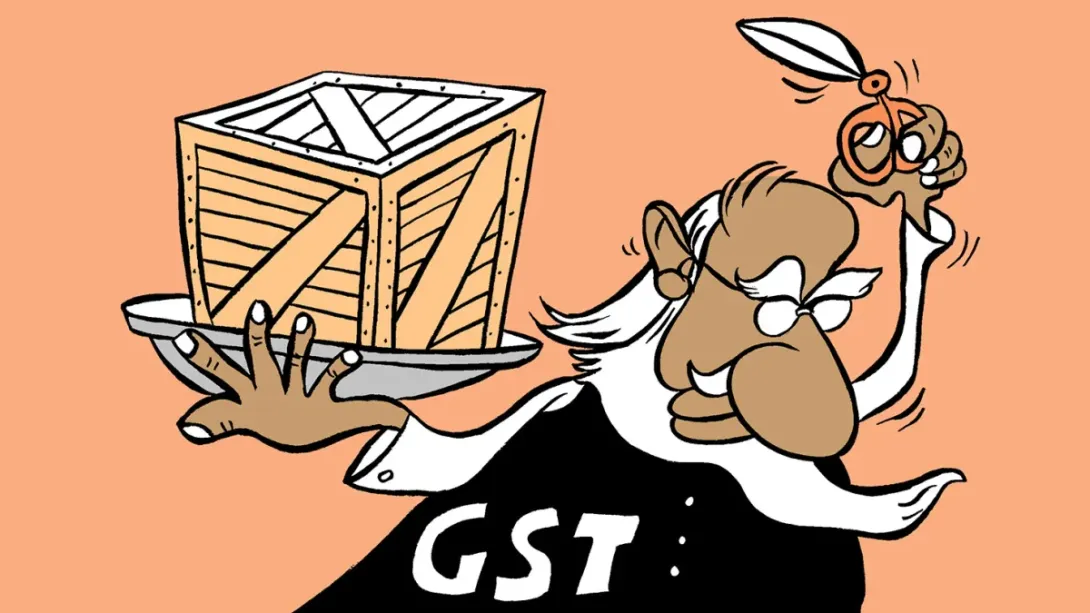
India’s Goods and Services Tax (GST) collections rose to Rs. 1.93 lakh crore in January, reflecting sustained economic activity and improved tax compliance. The robust inflow underscores the resilience of domestic consumption and manufacturing, even as global conditions remain uncertain. Higher revenues were supported by steady growth in both domestic transactions and imports, reinforcing confidence in the country’s indirect tax framework. The strong performance provides the government with greater fiscal headroom ahead of the Union Budget 2026-27, strengthening its ability to balance growth-oriented spending with fiscal discipline while maintaining momentum in economic reforms.
Strong GST Performance in January
GST collections for January reached Rs. 1.93 lakh crore, marking a solid increase compared with the same period last year. The rise highlights consistent demand across sectors and reflects the broadening of the tax base under the unified indirect tax regime. Officials attributed the growth to stable economic activity, enhanced compliance measures, and the continued use of technology to curb tax leakages.
The monthly figure reinforces GST’s role as a key barometer of real-time economic health.
Domestic Activity and Imports Drive Growth
The increase in collections was supported by higher revenues from domestic transactions, indicating steady consumption and production trends. At the same time, GST from imports also contributed meaningfully, pointing to resilient trade flows despite external uncertainties.
Experts note that the balanced contribution from both domestic and import-related GST suggests that growth is not confined to a single segment of the economy but remains broad-based.
Compliance Gains and Policy Measures
Improved compliance has been a critical factor behind the sustained rise in GST revenues. The government’s focus on data analytics, e-invoicing, and stricter enforcement against tax evasion has strengthened collections over recent months. These measures have helped plug revenue leakages while reducing the burden on compliant taxpayers.
Over time, such structural improvements are expected to enhance the predictability and stability of indirect tax revenues.
Implications for Fiscal Planning
The strong January collections provide additional fiscal comfort to the government as it prepares its expenditure and borrowing plans. Higher GST inflows can ease pressure on the fiscal deficit and support continued investment in infrastructure, social programs, and growth-enhancing initiatives.
Economists suggest that sustained revenue momentum could allow the government to pursue its medium-term fiscal consolidation goals without compromising on developmental priorities.
Outlook for the Coming Months
While monthly collections can vary, the January performance reinforces confidence in the durability of India’s economic recovery. Analysts expect GST revenues to remain robust in the near term, supported by formalization of the economy, steady consumption, and ongoing compliance reforms.
As policymakers look ahead to the next fiscal year, the latest GST data strengthens the case for cautious optimism on revenue prospects and macroeconomic stability.
Comments