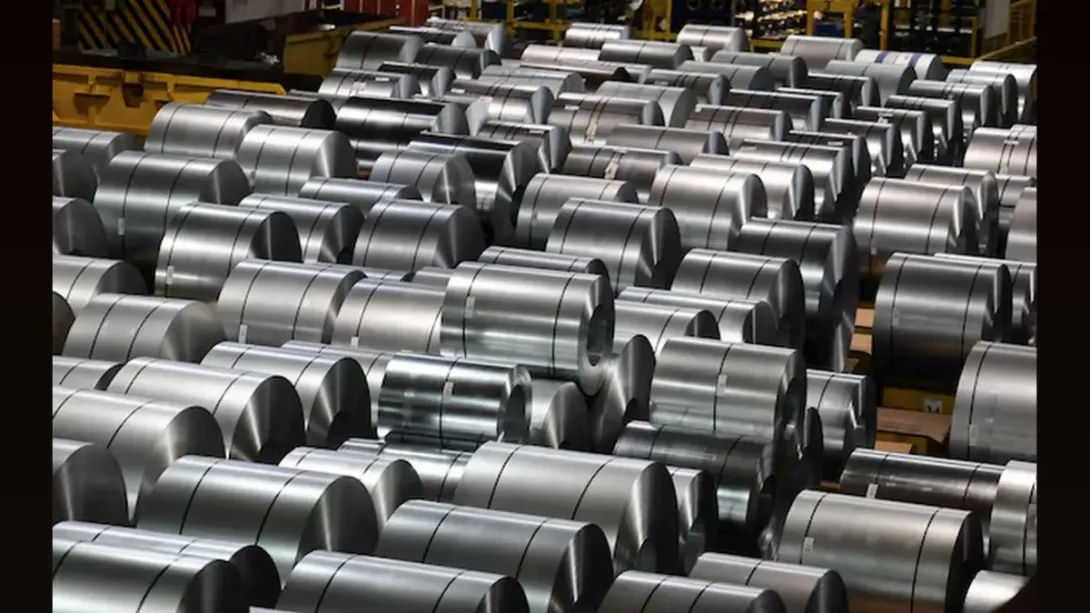
India is accelerating its steel scrap utilization as a strategic lever to boost industrial growth, reduce reliance on imported raw materials, and support environmental sustainability. By integrating higher volumes of scrap into domestic steel production, the country aims to enhance cost-efficiency, decrease energy consumption, and lower carbon emissions across the steel sector. Policy incentives, improved scrap collection infrastructure, and advanced recycling technologies are expected to strengthen this transition. Analysts anticipate that increased scrap usage could transform India’s steel production model, making it more circular and competitive globally, while contributing to long-term economic and environmental benefits.
Rising Importance of Steel Scrap in India
India’s steel sector, already the world’s second-largest producer, faces mounting pressures to balance rising domestic demand with raw material constraints. Steel scrap offers a practical solution, enabling mills to produce high-quality steel while reducing dependence on iron ore and coking coal imports. This shift is not only economically sensible but aligns with India’s commitments to sustainable industrial practices.
The government’s focus on promoting scrap usage reflects a broader strategy to modernize the steel industry and reduce operational costs while mitigating environmental impact.
Policy Support and Infrastructure Development
To facilitate this transition, authorities are enhancing scrap collection mechanisms, incentivizing private players, and investing in logistics and storage infrastructure. Regulatory support includes streamlined recycling standards, import-export guidelines, and tax benefits for mills using higher scrap content.
Industry stakeholders are also adopting digital platforms for scrap procurement, ensuring quality control and supply chain efficiency. These measures aim to create a robust, reliable ecosystem for steel scrap usage across both large and mid-sized steel producers.
Economic and Environmental Impact
Utilizing steel scrap significantly reduces energy requirements, as electric arc furnace (EAF) production consumes approximately 60% less energy compared to traditional blast furnaces. Consequently, higher scrap integration lowers production costs and helps curb greenhouse gas emissions, supporting India’s climate targets.
Economists highlight that scaling scrap use can enhance competitiveness in global markets, allowing domestic mills to offer cost-effective products while strengthening the circular economy.
Future Outlook
Analysts predict that India’s focus on steel scrap will grow steadily over the next decade, driven by industrial expansion, urbanization, and sustainable development policies. As recycling technologies advance and supply chains mature, scrap-based steel production is likely to become a central pillar of India’s steel strategy, reinforcing economic growth, energy efficiency, and environmental stewardship simultaneously.
Comments