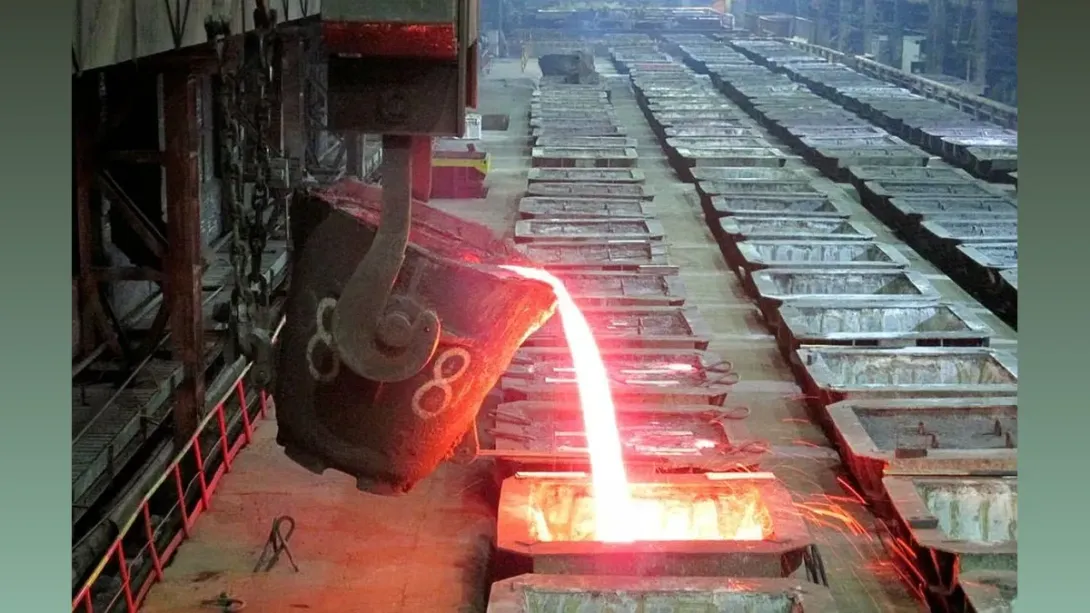
In a landmark move for India’s clean-tech and circular economy ambitions, Lohum, a leading producer of sustainable battery materials, has launched the country’s first rare earth magnet manufacturing and recycling facility in Uttar Pradesh. The plant, focused on recovering and reusing critical minerals used in electric vehicles (EVs), wind turbines, and electronics, marks a significant step toward India’s goal of reducing dependence on imported rare earth elements. With this initiative, Lohum aims to strengthen domestic supply chains, boost green manufacturing, and position India as a key player in global sustainable energy material markets.
Lohum’s Expansion Strengthens India’s Clean Energy Supply Chain
Lohum’s new rare earth magnet facility in Uttar Pradesh represents a pivotal step in India’s efforts to develop a self-reliant ecosystem for clean technology manufacturing. Rare earth magnets — particularly neodymium, praseodymium, and dysprosium — are essential components in the motors of electric vehicles, renewable energy systems, and advanced electronics.
By establishing a domestic production and recycling unit, Lohum seeks to reduce India’s dependence on Chinese imports, which currently dominate the global rare earth supply chain. The company’s strategy aligns with the government’s “Atmanirbhar Bharat” (self-reliant India) initiative and the Production Linked Incentive (PLI) schemes promoting advanced chemistry cell batteries and green manufacturing.
The facility also supports India’s broader climate goals by enabling sustainable resource utilization, closing the loop between end-of-life products and new material production.
A Milestone for Circular Economy and Resource Security
Lohum’s entry into rare earth magnet recycling is more than an industrial milestone — it signals a shift toward circular resource management. The plant is designed to extract, purify, and reprocess rare earth metals from used batteries, magnets, and e-waste, thereby extending material lifecycles and minimizing environmental degradation.
Rare earth elements are notoriously difficult to source, with mining processes often associated with high environmental costs and limited global availability. Lohum’s recycling-based approach offers a cleaner, more sustainable alternative that reduces carbon emissions and conserves natural resources.
The company stated that this plant will serve as a strategic domestic hub capable of supplying recycled magnets for India’s growing EV manufacturing sector, which is projected to expand exponentially over the next decade.
Supporting India’s Electric Mobility and Renewable Energy Push
India’s electric vehicle and renewable energy sectors have emerged as central pillars of its climate and industrial policy. The country aims to achieve 30% electric mobility by 2030 and significantly increase its renewable power capacity. Rare earth magnets play a crucial role in enabling these transitions, as they are essential for the motors that drive EVs and the turbines that generate wind power.
By manufacturing and recycling these critical components domestically, Lohum’s facility will bolster local supply resilience and help mitigate the risks of global raw material shortages. The initiative also opens new opportunities for research and innovation in advanced material recovery and magnet technology — fields where India is increasingly focusing its R&D investments.
Strategic Location and Government Support
The choice of Uttar Pradesh as the site for this facility underscores the state’s growing prominence as an industrial hub for clean technology and advanced manufacturing. The region’s improving logistics infrastructure, investor-friendly policies, and proximity to key automotive and energy clusters make it an ideal base for Lohum’s expansion.
The company’s investment is expected to create high-value jobs, foster local skill development, and attract additional investments in ancillary industries such as e-waste collection, refining, and precision component manufacturing.
Government initiatives such as “Make in India”, the PLI scheme for Advanced Chemistry Cell (ACC) batteries, and green manufacturing incentives have played a key role in encouraging private sector participation in strategic material production.
A Vision for Sustainable Industrial Growth
Lohum’s latest venture reflects its long-term vision of creating a circular, carbon-neutral energy ecosystem. The company, which already operates large-scale battery recycling and material refinement facilities, has now extended its expertise to rare earth recovery — an area crucial for the global transition toward renewable energy and electric mobility.
With the launch of this facility, Lohum positions itself as a pioneer in sustainable materials manufacturing, not only supporting India’s climate commitments but also enhancing its competitiveness in the international clean-tech supply chain.
As global industries move toward net-zero targets, initiatives like Lohum’s rare earth magnet plant will be instrumental in defining India’s industrial future — one that balances innovation, sustainability, and economic resilience.
Comments