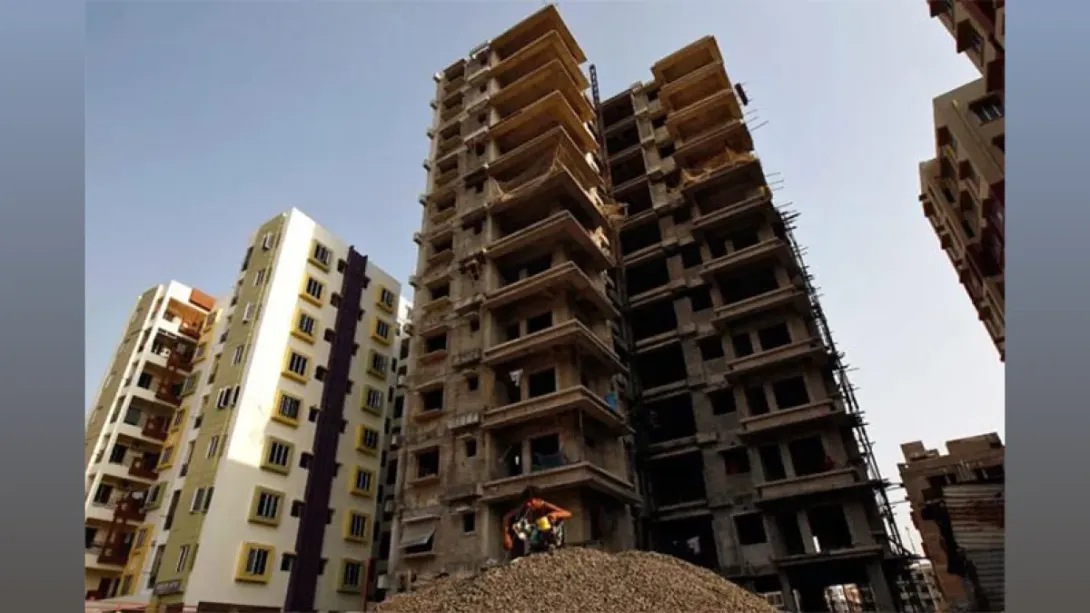
Mittal Builders has announced a significant foray into Mumbai’s bustling real estate landscape with a Rs. 2,000 crore redevelopment initiative targeting the prime locale of Mahalaxmi. This ambitious project aims to rejuvenate an aging residential cluster by introducing modern, high-rise luxury apartments alongside premium commercial spaces. Beyond its scale, the venture underscores a larger shift within Mumbai’s real estate dynamics—where strategic redevelopment is becoming essential to meet rising urban demands. Mittal Builders’ initiative is poised to enhance the city’s skyline and inject fresh vitality into an area long constrained by outdated infrastructure.
Transforming Mumbai’s Mahalaxmi: The Vision
Mittal Builders’ latest project is centered on redeveloping a nearly 2-acre site in Mahalaxmi, a locality known for its mix of old residential blocks and strategic proximity to South Mumbai’s business hubs. The blueprint envisions over a million square feet of built-up area, with a balanced blend of luxury residences, retail establishments, and modern amenities designed to attract affluent homebuyers and institutional investors alike.
The project is not merely a real estate undertaking—it also reflects a broader effort to modernize Mumbai’s aging housing stock. With most of the existing structures on this plot dating back over four decades, redevelopment offers a critical opportunity to upgrade safety standards, provide better civic infrastructure, and maximize land use efficiency.
Financial Outlay and Project Scale
Mittal Builders has earmarked an investment exceeding Rs. 2,000 crore for this redevelopment, factoring in construction costs, statutory premiums, and rehabilitation expenses for existing occupants. The scale of the project makes it one of the more substantial private redevelopment efforts in central Mumbai this year.
Industry analysts believe such large-scale infusions of capital signal robust confidence in Mumbai’s high-value property market, despite periodic concerns over liquidity and regulatory hurdles. This move by Mittal Builders also sets the stage for further premium developments across the city’s ageing precincts.
Impact on Residents and Local Economy
A key feature of this redevelopment model is the commitment to provide new, well-appointed homes to existing tenants—often at no additional cost—thereby ensuring social continuity and compliance with Mumbai’s redevelopment norms. For many residents, it means moving from cramped, deteriorating buildings into spacious apartments with modern facilities, improved ventilation, and enhanced safety features.
Simultaneously, the infusion of high-end retail spaces and commercial zones is expected to create new employment opportunities, boost local commerce, and raise the overall profile of Mahalaxmi as a premium destination.
Broader Market Implications
Mittal Builders’ project highlights an accelerating trend within Mumbai’s real estate sector where redevelopment is emerging as a strategic lever to unlock the city’s growth potential. With limited availability of vacant land parcels in established areas, developers are increasingly turning toward revitalizing old buildings—a strategy supported by evolving regulatory frameworks and incentivized by higher floor space indices (FSI).
Moreover, such projects often catalyze improvements in surrounding infrastructure, from better roads to upgraded utilities, benefiting the wider urban ecosystem.
Looking Ahead
As Mumbai continues to grapple with its unique challenges of space scarcity and infrastructure stress, large-scale redevelopment initiatives like Mittal Builders’ Mahalaxmi project are not just commercial ventures; they are integral to the city’s evolution. By blending luxury living with practical urban renewal, the project sets a benchmark for future developments, promising both economic returns for investors and tangible quality-of-life improvements for residents.
In this way, Mittal Builders’ Rs. 2,000 crore investment transcends traditional construction—it becomes a strategic blueprint for sustaining Mumbai’s stature as India’s financial and cultural nucleus in the decades ahead.
Comments