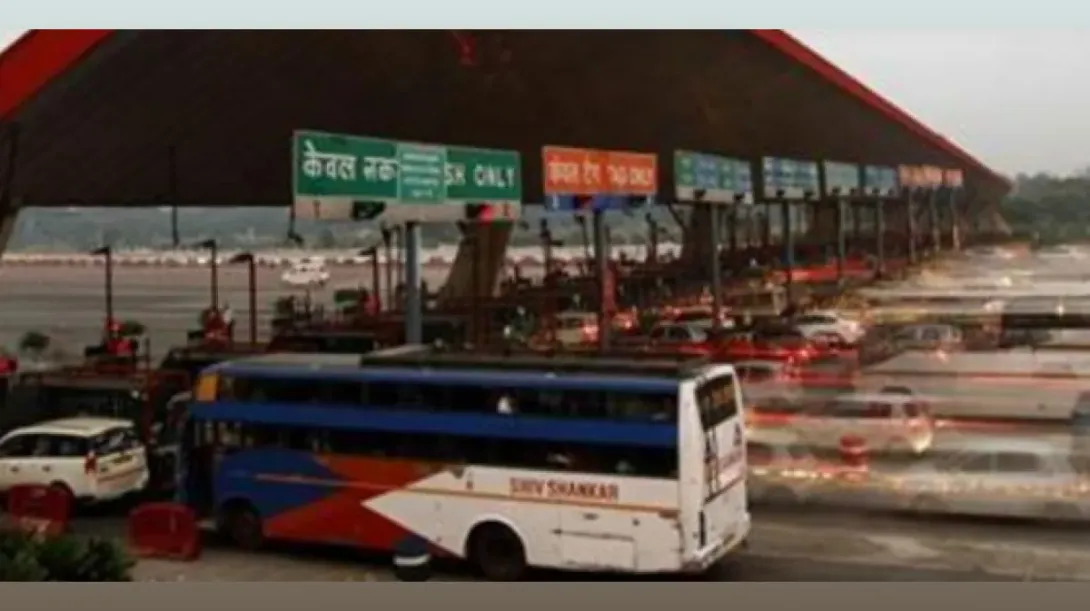
IRB Infrastructure Developers Ltd. recorded a robust upswing in toll collections during November, reporting revenue of Rs 716 crore, a 16 percent rise year-over-year. The increase underscores consistent traffic growth across key corridors operated by the company, reflecting sustained economic activity and improved mobility patterns. As India’s highway development continues at a rapid pace, toll operators like IRB Infra are benefiting from higher vehicle movement, diversified project portfolios, and the maturing of long-term concessions. The company’s latest performance signals confidence in the broader infrastructure sector, particularly in road transportation, which remains central to India’s logistics and connectivity ambitions.
Toll Collections Maintain Upward Momentum
IRB Infrastructure reported toll revenue of Rs 716 crore for November, posting a 16 percent increase compared with the same month last year. The strong performance indicates steady growth in commercial and passenger vehicle traffic across the firm’s network of highways and expressways. Rising freight movement, seasonal travel demand, and a recovery in economic activity continue to support higher toll collections across the sector.
The company’s diversified presence across economically active states has been a key driver of resilience, allowing it to capture gains from both regional and national mobility trends.
Growth Driven by Stable Traffic and Expanding Road Capacity
The increase in toll revenue reflects a combination of factors, including expanding highway capacity, improved road conditions, and greater reliance on road logistics by industries. Seasonal agricultural and festival-related movement also played a role in lifting traffic numbers during the month.
Experts note that India’s strong infrastructure pipeline and sustained government investment in expressways and corridor upgrades are contributing to higher utilization of privately operated road assets. IRB Infra, with its mix of BOT (Build-Operate-Transfer) and TOT (Toll-Operate-Transfer) projects, remains well-positioned to benefit from this trend.
Portfolio Strength Enhances Revenue Visibility
IRB Infrastructure’s portfolio, which spans major national highways and strategically important trade routes, provides consistent revenue visibility. Many of its long-term concessions are entering stable revenue phases, reducing volatility and improving cash-flow predictability for the company.
By maintaining operational efficiency and focusing on timely maintenance, the company ensures uninterrupted traffic flow — a key factor influencing monthly toll performance. These operational strategies strengthen IRB’s ability to deliver reliable returns to stakeholders.
Sector Outlook Remains Positive Amid Expanding Logistics Demand
India’s logistics sector is experiencing structural transformation, fueled by manufacturing growth, e-commerce expansion, and supply-chain modernization. Road transport continues to dominate freight movement, making highway developers essential participants in the economic ecosystem.
The government’s commitment to large-scale road-building programs, including economic corridors and high-speed expressways, is expected to generate more opportunities for private operators. As new routes come online and traffic continues to rise, toll revenue across the sector is likely to maintain its upward trajectory.
IRB Infra’s Performance Reinforces Investor Confidence
The company’s consistent double-digit growth in toll collections bolsters its financial outlook and reinforces investor confidence in its long-term strategy. Strong monthly performance improves liquidity, supports debt servicing, and enhances the firm’s ability to participate in upcoming infrastructure bids.
IRB Infrastructure’s November revenue results not only demonstrate its operational competence but also mirror broader economic buoyancy and the expanding role of road infrastructure in India’s development trajectory.
Comments