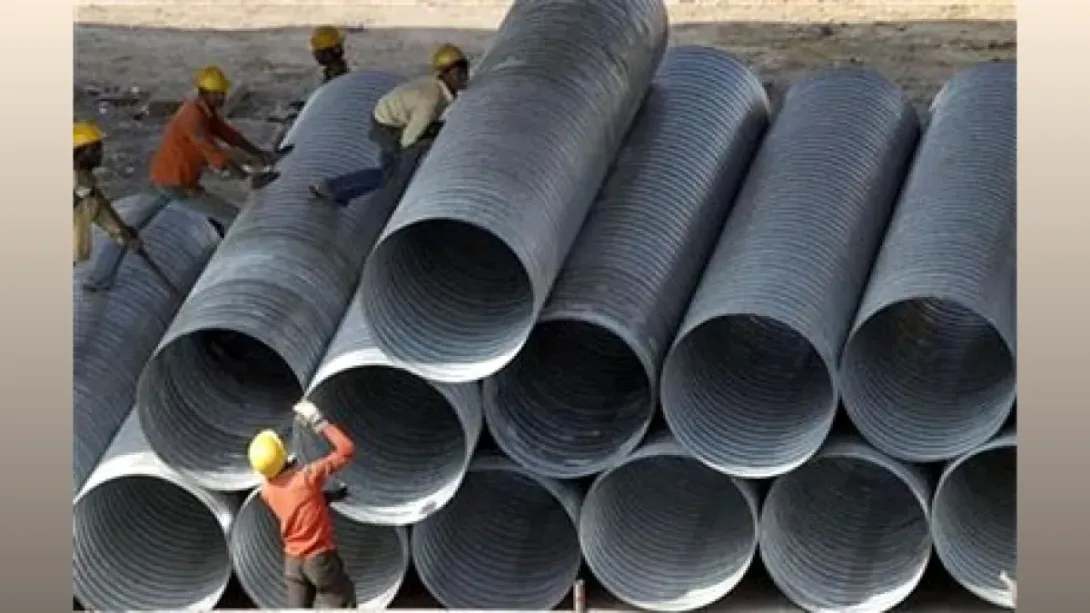
India’s secondary steel sector has raised urgent concerns over disruptions in the supply of industrial gases such as Liquefied Natural Gas (LNG) and Liquefied Petroleum Gas (LPG), warning that prolonged shortages could severely disrupt operations across the industry. Representatives of the sector have urged the government to intervene, emphasizing that inconsistent fuel availability is already affecting production cycles and operational stability in numerous steel units. As these gases are widely used in high-temperature processes such as furnace heating, reheating and metal cutting, supply constraints could threaten the viability of hundreds of manufacturing facilities, potentially impacting employment, production output and the broader industrial supply chain.
Mounting Pressure on the Secondary Steel Sector
India’s secondary steel industry has appealed to the government for immediate intervention to address a growing supply crisis involving industrial gases that are essential for steel manufacturing operations.
Industry representatives warn that the constrained and irregular availability of critical fuels such as LNG and LPG is creating significant operational challenges for steel units across the country. These gases are widely used as cleaner energy alternatives in several industrial processes, making them vital to maintaining consistent production levels.
Without reliable access to these resources, manufacturers fear that many smaller steel units may be forced to suspend operations, potentially affecting hundreds of facilities within the sector.
Importance of Industrial Gases in Steel Manufacturing
Industrial gases play a crucial role in modern steel production, particularly within secondary steel manufacturing units that rely on energy-intensive processes.
LNG and LPG are commonly used to power furnaces that heat and reheat metal during production. They are also essential for metal cutting, shaping and other high-temperature industrial procedures.
Compared with conventional fuels, these gases offer cleaner combustion and improved efficiency, aligning with broader environmental goals aimed at reducing industrial emissions.
As a result, many steel manufacturers have gradually transitioned to LNG and LPG as part of efforts to modernize production systems and comply with evolving environmental regulations.
Supply Disruptions Trigger Operational Concerns
The current shortage of industrial gases has created uncertainty for manufacturers that depend on consistent fuel supplies to maintain production schedules.
Steel plants often operate continuous manufacturing cycles, and even brief disruptions in fuel supply can force production lines to halt. Restarting these processes can involve additional costs, equipment strain and delays in fulfilling customer orders.
Industry leaders have warned that persistent supply constraints could lead to reduced output and financial strain, particularly for smaller manufacturers that operate with limited reserves and tighter margins.
Industry Appeals for Government Intervention
Faced with escalating operational challenges, the industry has formally urged the Ministry of Steel to address the issue through policy measures or supply chain interventions.
Industry representatives argue that the current situation requires immediate attention to ensure that manufacturing units receive stable and predictable access to industrial gases.
The sector has emphasized that reliable fuel supply is essential not only for maintaining production levels but also for protecting jobs and supporting the broader steel supply chain.
Manufacturers have requested that authorities explore solutions that could stabilize distribution networks and ensure equitable allocation of resources among industrial users.
Role of the Secondary Steel Industry in India’s Economy
The secondary steel industry represents a critical segment of India’s broader metal manufacturing ecosystem. Unlike primary steel producers, which rely on large integrated facilities, secondary steel units often operate smaller plants that recycle scrap metal or produce steel through energy-efficient methods.
These facilities contribute significantly to domestic steel output while supporting regional manufacturing clusters across multiple states.
In addition to generating employment for thousands of workers, the sector supplies steel products used in construction, infrastructure development, automotive manufacturing and engineering industries.
Disruptions within this segment could therefore have cascading effects on multiple sectors of the economy.
Environmental Shift Toward Cleaner Fuels
The growing reliance on LNG and LPG within the steel industry reflects a broader shift toward cleaner industrial fuels.
Compared with coal and other traditional fuels, LNG and LPG produce lower emissions and offer greater energy efficiency in high-temperature applications.
Many steel manufacturers adopted these fuels as part of environmental compliance strategies and modernization initiatives designed to align with evolving regulatory frameworks.
However, the current supply constraints highlight the challenges industries can face when transitioning to alternative energy sources without fully stabilized supply chains.
Potential Impact on Production and Employment
If supply disruptions persist, industry observers warn that the consequences could extend beyond production delays.
Steel units facing prolonged fuel shortages may be forced to scale back operations or temporarily shut down facilities. Such closures could affect employment in industrial clusters where steel manufacturing represents a major source of jobs.
Additionally, reduced production could lead to supply shortages for downstream industries that depend on steel components, including construction and infrastructure projects.
These ripple effects underline the importance of maintaining a stable energy supply for critical manufacturing sectors.
Policy Considerations and Possible Solutions
Experts suggest that addressing the crisis may require coordinated action involving government agencies, energy suppliers and industry stakeholders.
Possible solutions could include improving supply chain coordination, ensuring priority allocation for industrial consumers or exploring alternative fuel arrangements that reduce dependency on limited resources.
In the longer term, strengthening domestic energy infrastructure and expanding gas distribution networks may help prevent similar disruptions in the future.
A strategic approach to fuel security could prove essential as India continues to expand its manufacturing capabilities and pursue industrial growth.
Outlook for the Steel Sector
Despite the current challenges, India’s steel industry remains a key pillar of the country’s economic development strategy.
Government initiatives aimed at expanding infrastructure and manufacturing capacity are expected to sustain long-term demand for steel products.
However, maintaining consistent access to essential inputs such as industrial gases will be critical to ensuring that production capacity can keep pace with growing demand.
Industry leaders hope that timely intervention will help stabilize the situation and enable steel manufacturers to continue contributing to India’s industrial expansion.
Conclusion
The supply disruption affecting industrial gases has highlighted a critical vulnerability within India’s secondary steel manufacturing sector. As these fuels are essential to modern steel production processes, ensuring reliable availability is vital for operational stability.
By addressing the issue through targeted policy measures and supply chain improvements, authorities can help protect a sector that plays an important role in employment, infrastructure development and the broader industrial economy.
Comments