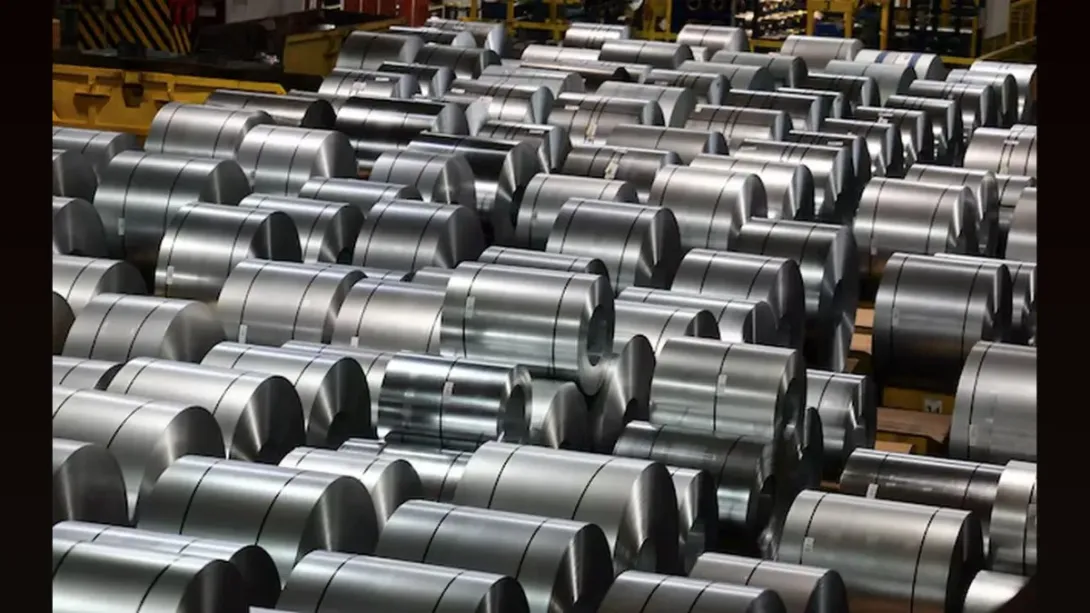
India’s steel sector is poised for growth as preferential trade treatment from the European Union presents new export opportunities. With global demand for steel stabilizing after recent volatility, Indian producers are leveraging competitive production costs and high-quality output to expand market share in Europe. Industry stakeholders anticipate that reduced tariffs and streamlined customs procedures could enhance profitability, increase export volumes, and strengthen India’s position as a reliable steel supplier. Analysts note that strategic alignment with EU standards and sustainability mandates will be critical for maximizing benefits, while domestic capacity utilization and efficient logistics remain key determinants of sustained growth in the international market.
EU Preferential Treatment and Implications
The European Union is extending preferential access to select Indian steel exports, potentially reducing tariff barriers and easing customs protocols. This development is expected to enhance the competitiveness of Indian steel products in EU markets, particularly in sectors requiring high-grade steel for construction, automotive, and infrastructure projects.
Industry experts highlight that preferential treatment could translate into significant revenue gains, enabling Indian steelmakers to capture a larger share of the European import market while mitigating the effects of global price fluctuations.
Production and Export Readiness
India’s steel industry has scaled up production efficiency and quality control measures, positioning itself to meet stringent EU standards. Major players are investing in technology upgrades, sustainable production processes, and quality certifications, ensuring compliance with European safety and environmental regulations.
Export-oriented strategies, including inventory management, logistics optimization, and partnerships with European distributors, are expected to facilitate smoother market entry and sustained export growth.
Market Outlook and Strategic Considerations
Analysts project that favorable EU trade conditions, coupled with competitive pricing, could support a robust increase in India’s steel export volumes in the near term. However, strategic focus on sustainability, compliance with EU environmental norms, and adaptation to evolving market trends will be crucial for long-term success.
Domestic stakeholders emphasize the importance of leveraging preferential access to strengthen bilateral trade ties, enhance brand credibility, and reinforce India’s reputation as a dependable steel supplier in global markets.
Comments