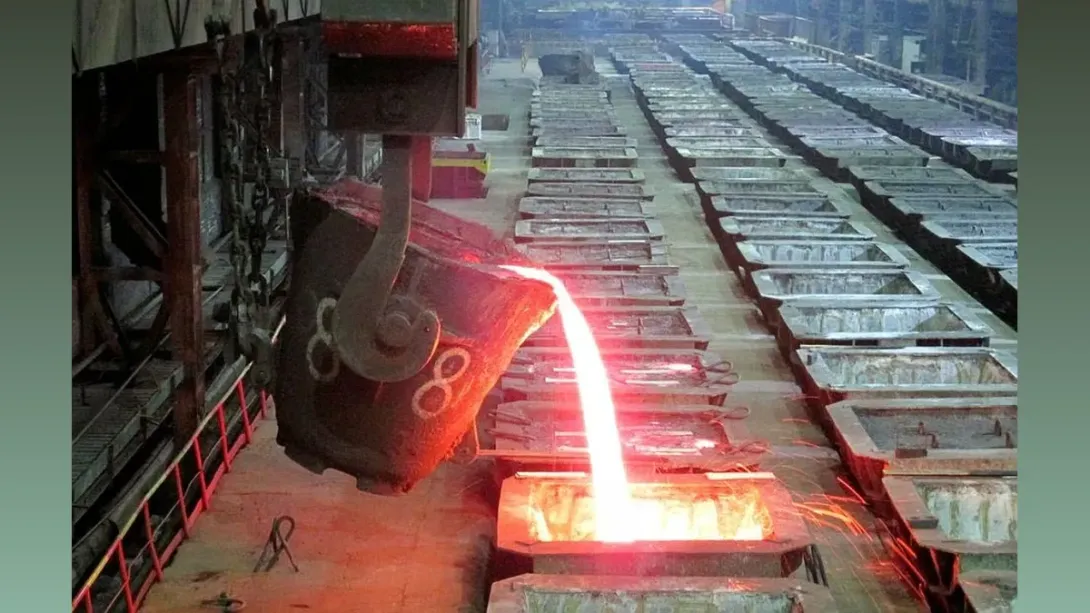
India is poised to strengthen its access to critical minerals through strategic cooperation agreements with Germany and Canada, reflecting an urgent push to safeguard supply chains essential for clean energy, advanced manufacturing and digital infrastructure. The Union Cabinet is expected to approve the proposed partnerships, which aim to deepen collaboration in mineral exploration, processing technologies and long-term procurement frameworks. As global competition intensifies for lithium, cobalt, rare earth elements and other strategic resources, New Delhi is accelerating efforts to reduce import vulnerability and build resilient supply networks aligned with its energy transition and industrial ambitions.
Strategic Push for Resource Security
India is preparing to formalize cooperation agreements with Germany and Canada focused on securing critical mineral resources vital for next-generation industries. The proposed pacts, likely to receive Cabinet approval, underscore a broader geopolitical and economic recalibration toward resource diplomacy.
Critical minerals—including lithium, cobalt, nickel and rare earth elements—form the backbone of electric vehicle batteries, renewable energy storage systems, semiconductors and defense technologies. With demand projected to surge over the next decade, supply security has emerged as a national priority.
Officials familiar with the matter indicated that the agreements would facilitate joint exploration initiatives, knowledge exchange and investment collaboration across mining value chains.
Why Critical Minerals Matter
The global energy transition has transformed certain minerals into strategic assets. Electric mobility expansion, grid-scale battery storage and green hydrogen projects are intensifying competition for limited reserves.
India, one of the world’s fastest-growing major economies, faces structural dependence on imports for several of these minerals. This vulnerability exposes domestic manufacturing ambitions to geopolitical disruptions and price volatility.
By partnering with mineral-rich nations such as Germany and Canada, India aims to diversify sourcing channels while enhancing domestic processing capabilities. Canada, in particular, holds significant reserves of lithium, nickel and cobalt—minerals central to battery production.
Aligning With Clean Energy Goals
The initiative aligns with India’s long-term decarbonization strategy and manufacturing expansion under its clean energy roadmap. The country has committed to significantly scaling renewable energy capacity while promoting electric mobility adoption.
Securing reliable mineral inputs is critical to achieving these objectives. Without stable access to raw materials, the pace of renewable deployment and electric vehicle manufacturing could face bottlenecks.
Industry analysts note that forward-looking mineral diplomacy not only ensures supply stability but also strengthens bargaining power in global trade negotiations.
Expanding the Value Chain
Beyond raw material procurement, the proposed cooperation is expected to emphasize technology transfer, sustainable mining practices and downstream processing. Developing refining and processing capabilities domestically would reduce exposure to concentrated supply hubs elsewhere.
Germany’s expertise in advanced manufacturing and resource efficiency may complement India’s industrial scale, while Canada’s mining ecosystem offers opportunities for joint ventures and long-term supply contracts.
Such collaborations could encourage Indian public- and private-sector enterprises to participate directly in overseas mining projects, thereby securing equity stakes in strategic reserves.
Geopolitical and Economic Implications
The move reflects a broader global trend in which nations are forging bilateral and multilateral frameworks to secure critical resources amid intensifying strategic competition.
For India, strengthening ties with advanced economies through mineral cooperation enhances both economic resilience and geopolitical leverage. It also signals a proactive shift from reactive procurement to structured, long-term resource planning.
Market observers expect the agreements to catalyze investment flows into exploration projects and infrastructure development linked to mineral extraction and processing.
Conclusion: A Strategic Bet on Resource Sovereignty
India’s planned mineral cooperation agreements with Germany and Canada represent more than routine trade arrangements. They form part of a calculated strategy to future-proof the country’s clean energy ambitions and technological growth.
As the global race for critical minerals accelerates, securing stable and diversified supply chains will be central to economic competitiveness. By institutionalizing partnerships with resource-rich and technologically advanced nations, India is positioning itself to mitigate supply risks while advancing its industrial transformation agenda.
In an era defined by energy transition and technological disruption, access to critical minerals is no longer optional—it is strategic.
Comments