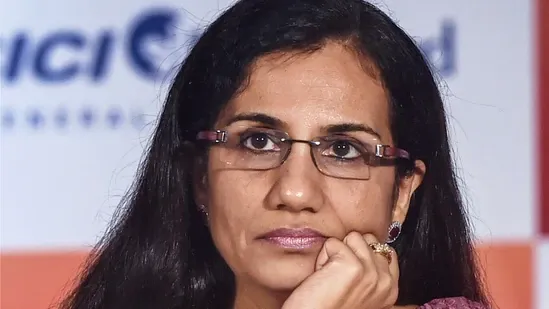
Chanda Kochhar, the former chief executive of ICICI Bank, has been found guilty of receiving a Rs. 64-crore bribe in connection with the approval of a Rs. 300-crore loan to the Videocon Group. The court’s findings confirm longstanding suspicions of quid pro quo dealings between Kochhar, her husband Deepak Kochhar, and Videocon’s promoter, Venugopal Dhoot. The judgment underscores systemic gaps in oversight at the highest levels of corporate lending, prompting renewed calls for reform in corporate governance, conflict-of-interest regulations, and board-level accountability in India’s banking sector.
Rise and Fall of a Banking Icon
Chanda Kochhar’s ascent in Indian banking was once hailed as a milestone for gender leadership in corporate India. Taking the reins of ICICI Bank in 2009, she helped expand the lender’s footprint, especially in retail and corporate banking. However, her career came under a cloud in 2018 following revelations of suspect transactions between Videocon and NuPower Renewables—a firm founded by her husband.
The primary allegation was that ICICI Bank, under her leadership, extended a substantial loan to Videocon, which was already under financial stress, and soon after, a company linked to her husband received Rs. 64 crore from Videocon’s promoter. These funds were allegedly routed through a convoluted structure of shell companies.
The Bribery Charge and Judicial Findings
After extensive investigation by central agencies, the court concluded that Kochhar had abused her official position by favoring Videocon in exchange for monetary gain. The Rs. 64-crore payment—described in court documents as a bribe—was deemed a direct consequence of her actions in facilitating the Rs. 300-crore loan.
This decision establishes that the loan approval process was compromised by personal interests, violating both ICICI Bank’s internal lending policies and the fiduciary responsibility expected of its top executive. Prosecutors also found that several other bank officials failed to raise red flags, reflecting institutional lapses.
Impact on ICICI Bank and the Financial Sector
While ICICI Bank had distanced itself from Kochhar by first initiating an independent inquiry and later accepting her resignation in 2018, the scandal has inevitably impacted the institution’s reputation. The bank has since reinforced internal audit protocols and ethical disclosure norms, but the shadow of this controversy lingers over past lending decisions and board oversight mechanisms.
The broader financial sector has responded by tightening rules around related-party transactions, CEO disclosures, and conflict-of-interest declarations. Regulatory bodies, too, are under pressure to adopt stricter compliance audits, especially for large-ticket corporate loans.
Corporate Governance Under the Microscope
This case has reignited the debate around governance standards in Indian corporations, particularly in family-linked dealings and top-down decision-making. It highlights the need for more empowered and independent boards, robust whistleblower protections, and real-time scrutiny of executive decisions in large banks.
Moreover, it serves as a cautionary example of how blurred lines between personal gain and professional duty can erode public trust and invite intense regulatory backlash.
The Road Ahead
Chanda Kochhar’s conviction marks one of the most high-profile cases of white-collar crime in Indian corporate history. As sentencing proceeds, the final judgment is expected to influence the tone of future regulatory enforcement, internal risk governance, and executive accountability across sectors.
For stakeholders in India’s financial ecosystem, this case is a reminder that ethical leadership and institutional integrity must go hand in hand. It also sets a precedent that even the most powerful executives are not above the law—an assertion that may well strengthen India’s journey toward a more transparent and resilient corporate framework.
Comments