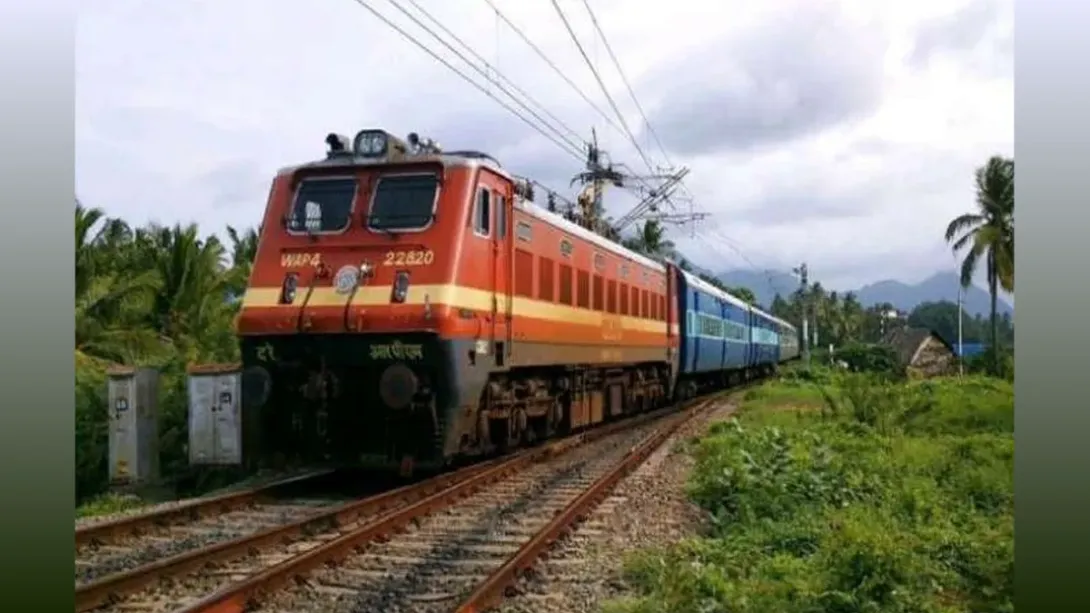
Bharat Heavy Electricals Limited (BHEL) has been entrusted with supplying the advanced KAVACH train collision-avoidance systems to Indian Railways, marking a significant step in modernizing the nation’s railway safety infrastructure. The project underscores India’s commitment to adopting cutting-edge technology to enhance operational efficiency and passenger security. KAVACH, an indigenously developed automatic train protection system, is designed to prevent collisions, signal passing at danger, and over-speeding, thereby improving overall rail safety. The deployment by BHEL not only reinforces the public sector’s role in strategic technological initiatives but also demonstrates India’s growing capabilities in high-tech transportation solutions.
---
Project Overview and Technological Significance
BHEL’s role in supplying KAVACH equipment represents a strategic collaboration with Indian Railways to bolster rail safety across the network. The system employs advanced automation and signaling technology to detect potential hazards, reduce human error, and ensure trains operate within prescribed safety limits.
This initiative is part of a broader modernization drive aimed at enhancing the operational reliability of the railways while meeting the rising demands of passenger and freight traffic. Analysts highlight that integrating KAVACH can significantly reduce accidents, particularly in high-density routes, aligning with India’s safety-centric infrastructure agenda.
---
Economic and Industrial Implications
The contract strengthens BHEL’s position in the railways’ technological ecosystem, opening avenues for future public-sector collaborations in advanced transportation solutions. The project also supports domestic manufacturing, contributing to the “Make in India” initiative by leveraging indigenous technology for nationwide deployment.
Economists suggest that successful implementation of KAVACH could generate downstream benefits, including employment opportunities in equipment manufacturing, installation, and maintenance services, while enhancing the credibility of Indian public-sector enterprises in high-tech sectors.
---
Policy and Safety Impact
From a policy perspective, deploying KAVACH aligns with the government’s vision to modernize transport infrastructure and reduce rail-related accidents. By automating critical safety functions, the system minimizes human error and enhances the predictability and efficiency of rail operations.
Industry experts emphasize that the collaboration between BHEL and Indian Railways reflects a growing trend of integrating domestic technological innovation into large-scale national projects, strengthening both operational safety and indigenous capabilities.
Comments