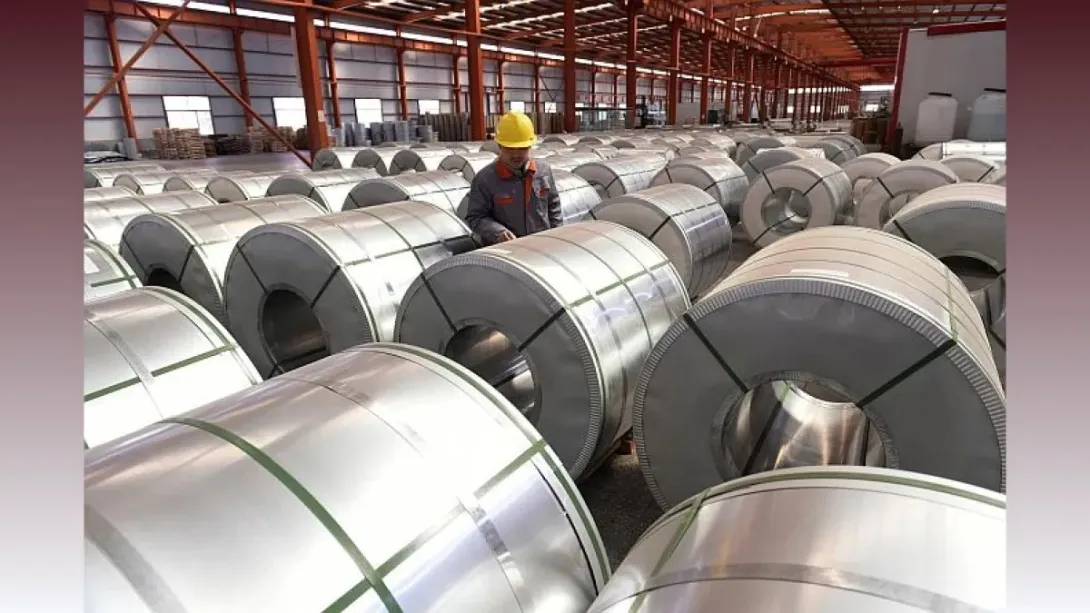
Aluminium futures witnessed a decline in domestic markets as subdued industrial demand weighed on prices. Traders reported that sluggish consumption from key sectors, coupled with muted buying activity, has exerted downward pressure on the metal. Global cues also contributed to the softening trend, as international prices remained under strain due to concerns over economic growth and fluctuating energy costs. The movement in aluminium futures reflects broader market uncertainty, where supply-demand dynamics are being reshaped by evolving global trade patterns and cautious sentiment among manufacturers.
Price Movement in Futures Market
Aluminium contracts on major commodity exchanges fell as selling pressure intensified. Market analysts attribute the decline to reduced spot demand from industries such as construction, packaging, and transportation, which are traditionally large consumers of the metal. The downturn in futures prices is also linked to waning interest from speculative participants, who have been cautious amid persistent volatility across the commodities spectrum.
Demand Constraints in Domestic Market
Industry participants noted that domestic demand has remained below expectations, particularly from downstream manufacturers. Weak consumption trends, exacerbated by seasonal factors and subdued capital expenditure in infrastructure projects, have limited buying momentum. As a result, traders are facing an oversupply situation in the near term, prompting further downward adjustments in contract prices.
Global Influences and Economic Signals
Internationally, aluminium prices have been under pressure due to uncertainty in global manufacturing output and concerns about energy input costs, which heavily influence production economics. A slowdown in demand from China, the world’s largest consumer of aluminium, has further impacted sentiment. Additionally, fears of prolonged economic sluggishness in advanced economies have dampened the outlook for metals, keeping global investors on edge.
Outlook for Aluminium Market
While the short-term trajectory for aluminium appears bearish, analysts suggest that medium-term prospects may improve if industrial activity picks up and infrastructure investments accelerate. Policy support measures, particularly those aimed at boosting construction and manufacturing, could provide some relief to prices. However, much will depend on global demand revival and energy market stability, which remain key drivers of aluminium’s cost structure and competitiveness.
Comments