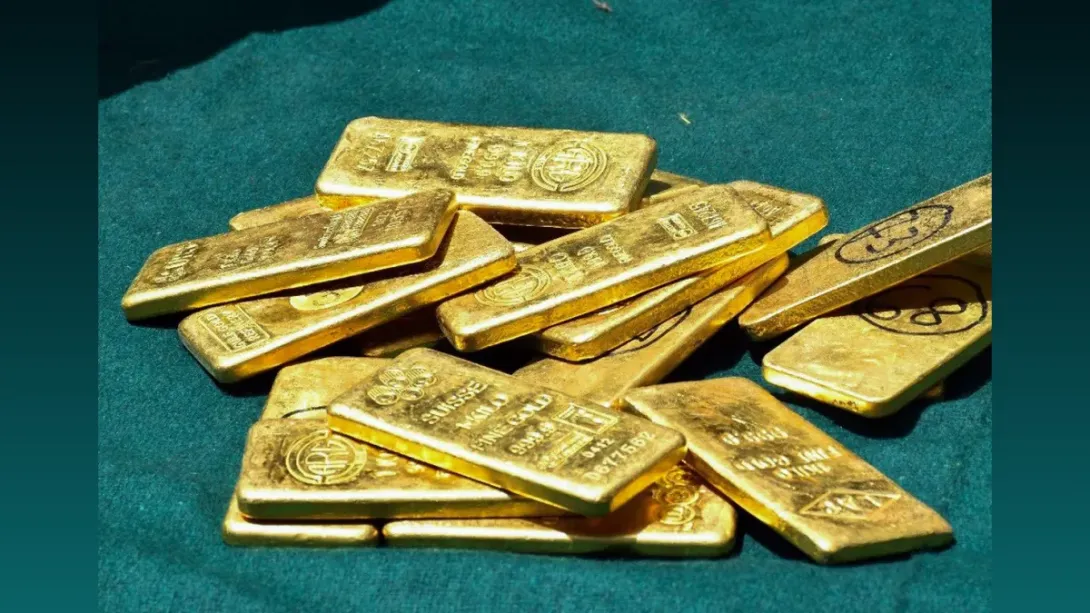
Gold prices recorded a sharp decline, falling by Rs. 1,670 amid mounting pressure from global market softness and shifting investor appetite. The drop reflects a broader retreat in precious metals worldwide as traders reassess risk, weigh central bank cues, and respond to strengthening currency dynamics. Domestic markets mirrored this global trend, prompting renewed attention from retail buyers and institutional observers. As volatility persists, analysts are watching whether gold will stabilize or continue its downward trajectory in response to economic data, geopolitical developments, and monetary policy expectations.
Global Headwinds Push Gold Lower
Gold’s latest slide highlights a decisive shift in international market sentiment, with global benchmarks softening as investors gravitate toward riskier assets. A stronger U.S. dollar and expectations of tighter monetary conditions weighed on bullion prices, diminishing gold’s appeal as a safe-haven asset.
Market analysts note that fluctuations in global yields and changes in central bank stances have amplified uncertainty, prompting traders to rebalance portfolios. The resulting pressure contributed directly to the Rs. 1,670 decline observed in domestic markets.
Domestic Market Reaction
In India, gold prices adjusted swiftly in response to global cues. The Rs. 1,670 drop signals one of the sharper single-session corrections in recent weeks, reflecting how closely domestic valuations are tied to international dynamics.
This decline may encourage opportunistic buying among retail consumers, especially with the wedding season ahead. Jewelers also anticipate improved footfall as price-sensitive buyers seize the dip. However, investors remain cautious, mindful of the possibility of further volatility in the short term.
Investor Sentiment and Economic Indicators
The correction comes at a time when global economic indicators are sending mixed signals. While some economies are showing resilience, lingering concerns over inflation, geopolitical risks, and uneven growth patterns continue to influence commodity markets.
Gold, often regarded as a hedge against uncertainty, tends to fluctuate more visibly when macroeconomic indicators shift. The recent decline underscores this sensitivity, suggesting investors are recalibrating expectations around interest rates, currency performance, and broader economic recovery.
What Lies Ahead for Gold Prices
While a short-term dip has materialized, the long-term outlook remains complex. Several factors will shape gold price movements in the coming weeks:
- Monetary Policy Trends: Any signals from major central banks regarding interest rate adjustments could sway gold demand.
- Currency Movements: Sustained dollar strength may limit gold’s upside, while any weakening could offer support.
- Geopolitical Developments: Rising tensions or unexpected global events could revive safe-haven buying.
- Domestic Demand Cycles: Seasonal buying may cushion further declines in India.
Market strategists believe gold may continue to trade in a volatile range as global markets navigate shifting economic narratives.
Conclusion
The Rs. 1,670 drop in gold prices captures a moment of recalibration across global markets, as investors adjust to evolving economic indicators and shifting risk sentiment. While the decline opens a window of opportunity for buyers, it also serves as a reminder of gold’s vulnerability to macroeconomic forces. As global uncertainty persists, all eyes remain on whether gold can regain momentum or settle into a broader corrective trend.
Comments