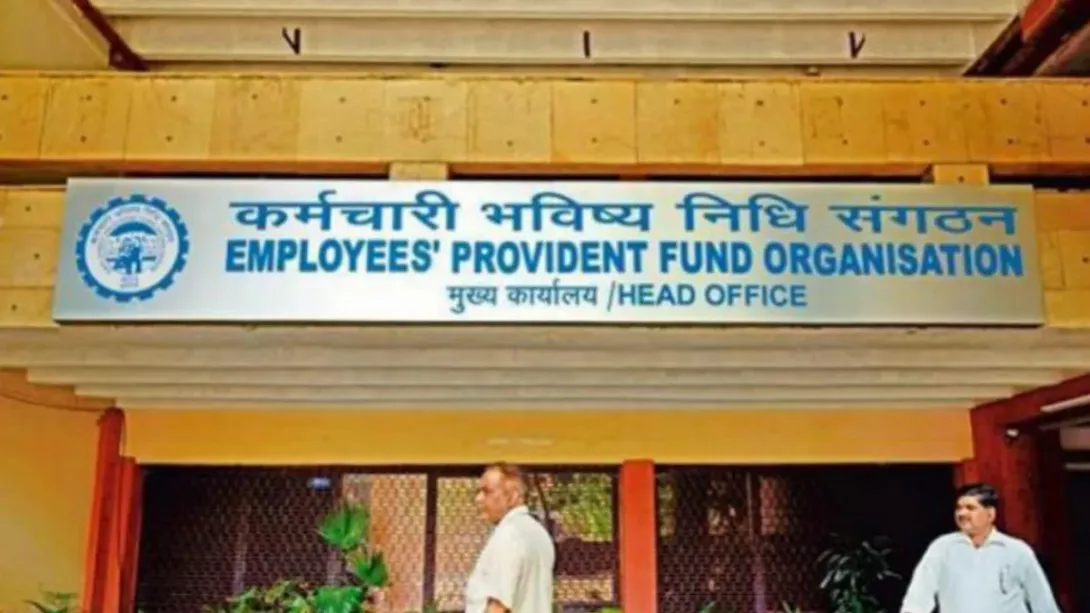
The Employees’ Provident Fund Organisation (EPFO) has introduced Passbook Lite, a streamlined digital facility designed to make provident fund (PF) records more accessible to millions of account holders. This initiative marks a significant step toward enhancing transparency, reducing operational friction, and strengthening digital inclusion in India’s social security system. By offering a simplified interface for real-time updates, the new platform ensures that workers across sectors—particularly those in rural and semi-urban areas—can easily monitor contributions, withdrawals, and account balances without technical barriers.
A Step Toward Greater Financial Transparency
Passbook Lite is positioned as a lightweight alternative to EPFO’s existing digital services, aiming to eliminate hurdles that many subscribers faced while accessing their PF accounts. Through this platform, employees can now check their account balances and contribution history with minimal effort, fostering greater trust in the system.
For the government, this initiative underscores its broader vision of digital empowerment and financial inclusion, ensuring that workers at all levels of the economy—organized and semi-organized—are empowered with transparent access to their savings.
Features of Passbook Lite
The newly launched facility offers a simplified user interface optimized for accessibility, even on basic smartphones and low-bandwidth networks. Key features include:
- Real-time access to PF balances and transaction history.
- Lightweight design, enabling faster loading on mobile devices.
- Reduced complexity, avoiding the technical challenges of earlier platforms.
- Wider accessibility for employees in remote areas where internet connectivity remains limited.
By focusing on inclusivity, Passbook Lite bridges the gap for millions of workers who previously struggled to navigate digital platforms for their PF details.
Empowering the Workforce
For employees, provident fund contributions are often the cornerstone of their retirement savings. Ensuring transparent, hassle-free access to these records strengthens both confidence in the EPFO and the habit of long-term financial planning. Passbook Lite also aligns with India’s growing emphasis on digital governance, where streamlined, mobile-friendly tools are becoming central to citizen services.
Industry observers believe this step will significantly improve user engagement. By making it easier for members to track contributions, the EPFO reduces the scope for disputes and enhances accountability among employers.
The Broader Context
The launch of Passbook Lite comes at a time when the EPFO is modernizing its operations to cater to an expanding subscriber base, now exceeding 30 crore members. With increasing formalization of the workforce and growing emphasis on social security, digital innovation has become central to meeting service expectations.
The move also complements other government-led digital initiatives, such as the Unified Mobile App for New-age Governance (UMANG), by offering citizens seamless, direct access to essential financial data.
Conclusion
The introduction of Passbook Lite represents more than a technological upgrade; it reflects a commitment to financial inclusion, transparency, and ease of use in India’s provident fund ecosystem. For millions of workers, especially those outside major urban centers, the tool is likely to become an indispensable gateway to managing their retirement savings.
If effectively adopted, this initiative could mark a turning point in strengthening trust and engagement between employees, employers, and the country’s largest social security body.
Comments